Why Patagonia Should Be Your Next Ski Destination
Why Patagonia should be your next ski destination: a June-October season, lift passes from $55 USD, big Andean terrain, and lake-and-volcano scenery, plus the honest downsides.
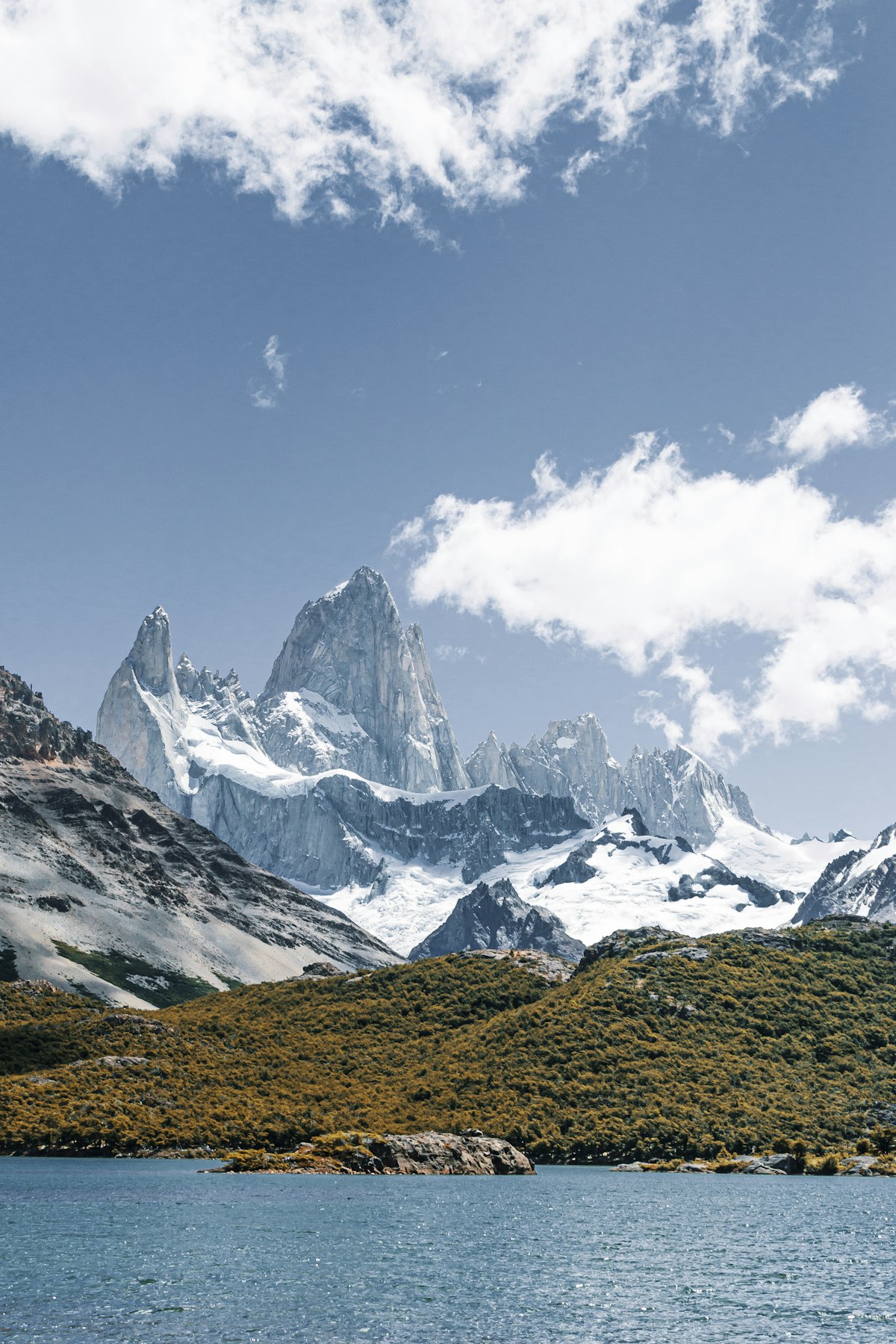
Patagonia should be your next ski destination because it gives you a full winter of skiing in the northern summer, big Andean terrain at a fraction of Alps or Rockies prices, and a trip that is about far more than the ski runs. The season runs from mid-June to early October, lift passes at Cerro Catedral cost $55 to $80 USD a day, and you ski above glacial lakes with steak, Malbec, and chocolate waiting at the bottom.
When can you ski in Patagonia?
You can ski in Patagonia from mid-June to late September or early October, the Southern Hemisphere winter. That means July and August, when northern resorts are closed and most skiers are at the beach, are prime powder months in Argentina.
The timing is the single biggest reason skiers from the US, Canada, and Europe come south. It doubles your ski year without giving up a day of your home season. Peak snow at Cerro Catedral usually arrives in the second half of July and through August, and September brings longer days and spring conditions that are some of the most underrated skiing in the Andes. Our week-by-week season guide and best time to ski Patagonia break it down in detail.
How does skiing in Patagonia compare to the Alps and the Rockies?
Patagonia offers comparable terrain to mid-sized Alpine and Rocky Mountain resorts, with dramatically lower prices and far fewer international crowds. What it lacks is the deep lift infrastructure and snow reliability of the biggest northern resorts.
- Season: Cerro Catedral mid-June to early October; major Alps resorts December to April; major Rockies resorts November to April
- Day lift pass: Cerro Catedral $55-$80 USD; Alps $70-$95 USD; Rockies $180-$280+ USD
- Vertical drop: Cerro Catedral about 1,070 m; Alps 1,000-2,000 m; Rockies 900-1,300 m
- International crowds: Cerro Catedral low; Alps high; Rockies medium to high
- Standout feature: Cerro Catedral has lake and volcano views and open bowls; the Alps have village culture and huge lift networks; the Rockies have dry powder and long groomers
For the full comparison, including snow quality and costs, read our Patagonia vs Alps vs Rockies guide.
What kind of terrain can you ski in Patagonia?
You can ski everything from wide beginner groomers to steep chutes, open alpine bowls, backcountry tours, and heli-skiing. Cerro Catedral alone covers roughly 1,200 hectares with 120+ marked runs, and it rises from about 1,030 m at the base to around 2,100 m at the top of the lifts.
Beyond Catedral, Argentina's ski map covers very different mountains:
- Cerro Catedral (Bariloche): the largest ski area in South America, for every level
- Cerro Chapelco (San Martin de los Andes): tree-lined runs and a relaxed family feel
- Cerro Bayo (Villa La Angostura): small, quiet, with views over Lago Nahuel Huapi
- Cerro Castor (Ushuaia): the world's southernmost ski resort, with reliable snow into October
- Las Lenas (Mendoza): north of Patagonia proper, but the most famous expert terrain in the Andes
For experts, the real draw is what sits outside the ropes. Our off-piste guide and heli-skiing guide explain what is possible with a guide.
Is a Patagonia ski trip good value?
Yes. A mid-range 7-day ski trip to Patagonia costs about $3,500 to $5,500 USD per person including flights from North America or Europe, which is comparable to or cheaper than a week at a major Colorado or Swiss resort once lift passes and lodging are added up.
The savings are largest on the ground. A 6-day lift pass at Catedral runs $330 to $480 USD, against $1,000 USD or more at the big US resorts. A three-course dinner with wine in Bariloche costs $30 to $50 USD per person. Where Patagonia costs more is the flight: expect 10 to 14 hours to Buenos Aires plus a 2-hour domestic hop. See our 2026 cost breakdown for real numbers.
What makes a Patagonia ski trip different from other ski holidays?
The difference is the setting and the culture. You ski with views of Lago Nahuel Huapi, Cerro Tronador, and a skyline of volcanoes, then come down to a lakeside town with a food scene built around asado, craft beer, and some of the best chocolate in South America.
Argentine ski culture runs on a later clock than you are used to. Lunch on the mountain stretches past 2 pm, dinner in Bariloche starts at 9 pm or later, and apres-ski is more about a long table than a loud bar. Non-skiers have plenty to do too, from the Circuito Chico drive to boat trips on the lake. Start with our guides to eating and drinking after skiing in Bariloche and the Argentine asado.
What are the downsides of skiing in Patagonia?
The main downsides are wind, variable snow years, and travel time. Being honest about them is the best way to plan around them.
1. Wind: strong Patagonian wind can close upper lifts at Catedral for a day or more. Plan 1 flexible day per week.
2. Snow variability: some seasons start late or run thin at lower elevations. Late July through August is the safest window.
3. Travel time: from most of North America or Europe, expect a full day of travel each way.
4. Lift infrastructure: fewer high-speed lifts than a major Alps or Rockies resort, with queues in the July school holidays.
None of these are reasons to skip Patagonia. They are reasons to plan it with someone who knows the mountains.
Frequently Asked Questions
Is Patagonia good for beginner skiers?
Yes. Cerro Catedral and Cerro Chapelco both have dedicated beginner zones and ski schools with English-speaking instructors. Our family programs are built around first-timers and mixed-ability groups.
How long should a Patagonia ski trip be?
We recommend 8 to 10 nights for most international visitors. That covers 6 ski days, one weather buffer, and travel time from Buenos Aires.
Do I need a visa to ski in Argentina?
Citizens of the US, Canada, the UK, the EU, and Australia can generally enter Argentina visa-free for tourism, but rules change. Check our entry requirements guide and your government's travel advice before booking.
Is Patagonia snow as good as Utah or Japan?
Not usually. Patagonian snow is typically heavier than Utah or Hokkaido powder, but storm days at Catedral can deliver deep, excellent skiing, and the terrain and scenery make up for the difference.
*This guide was written by the Ski Patagonia Co. team, based on years of guiding international skiers at Cerro Catedral and across the Argentine Andes.*
Ready to see what a Southern Hemisphere ski season feels like? Start planning on Plan My Trip and our team will match you with the right resort, dates, and guides.