A Guide to Argentine Asado for Visiting Skiers
Everything visiting skiers need to know about Argentine asado -- from parrilla etiquette to the best cuts of meat and where to find the finest grills near Patagonia's ski resorts.
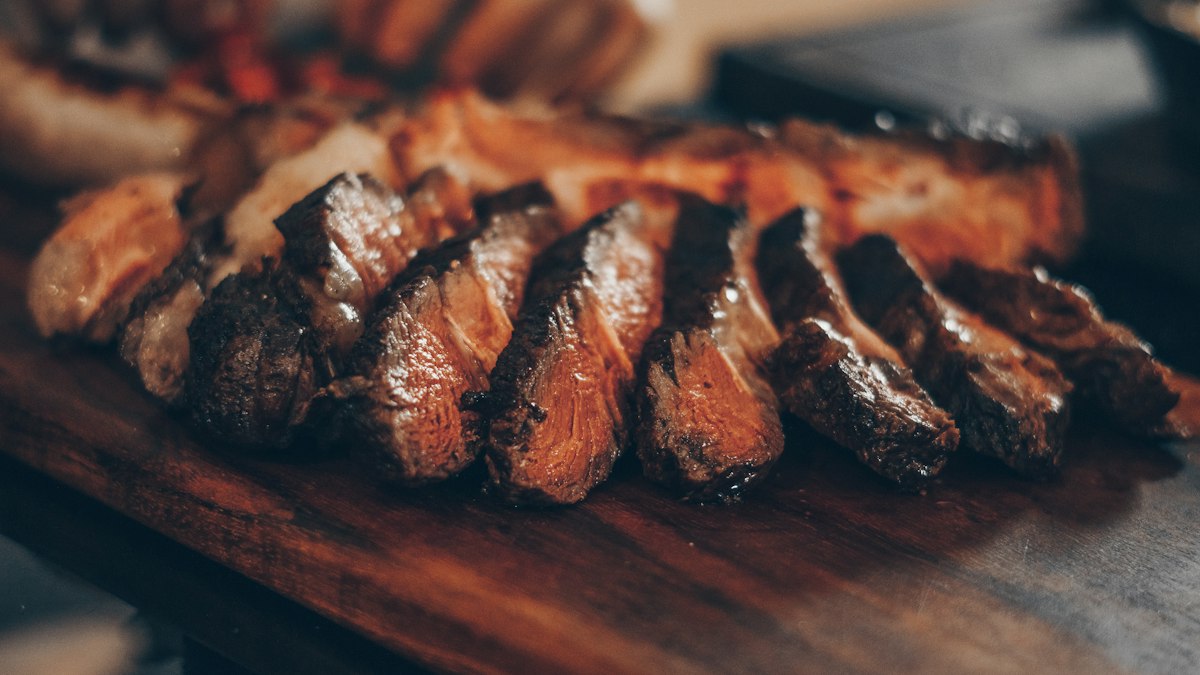
If you're coming to Patagonia to ski, you're going to eat asado. It's not a question of if â it's a question of how many times. Argentine asado is more than a meal. It's a ritual, a social event, and arguably the single best thing you'll experience off the mountain during your ski trip. Here's everything you need to know to enjoy it like a local.
What Exactly Is Asado?
Asado refers to both the method of cooking â slow-grilling meat over wood or charcoal on a metal grate called a parrilla â and the social gathering itself. Think of it as Argentina's answer to the backyard barbecue, except taken far more seriously. The person running the grill is called the asador, and it's considered a genuine skill. An asado can last anywhere from two to five hours, starting with appetisers and ending with everyone leaning back in their chairs wondering how they'll ski the next morning.
The key difference from what you might know at home: there's no gas grill, no marinades, and no rush. Argentine asado relies on quality beef, coarse salt, fire, and patience. The result is some of the most flavourful meat you'll eat anywhere in the world.
The Cuts You Need to Know
Argentine butchery uses different cuts than what you'll find in the US or Europe. Here are the ones you'll encounter at every asado:
- Asado de tira â short ribs cut across the bone, the quintessential asado cut
- VacÃo â flank steak, rich and flavourful with a layer of fat on one side
- Entraña â skirt steak, thin and intensely beefy
- Chorizo â fresh pork sausage (not the cured Spanish kind), always served first
- Morcilla â blood sausage, surprisingly mild and creamy when grilled
- Provoleta â grilled provolone cheese with oregano, served bubbly and golden as a starter
Don't skip the achuras (offal). Mollejas (sweetbreads) and riñones (kidneys) are delicacies here, and you might be surprised how good they taste straight off the grill.
Asado Etiquette for Visitors
If you're invited to an asado at someone's home or lodge â and you likely will be â there are a few unwritten rules worth knowing:
First, never criticise or rush the asador. Cooking asado is a point of pride, and the person at the grill has probably been doing this since childhood. Second, arrive with wine â a good Malbec from Mendoza is the standard choice, and you can find excellent bottles for under $10 USD at any vinoteca in Bariloche. Third, pace yourself. The chorizo and morcilla that come out first are just the warm-up. The main cuts arrive later, and you'll want room.
Finally, expect to eat late. Lunch asados might not start until 1pm, and dinner can begin at 9 or 10pm. This fits perfectly with a ski day â hit the slopes in the morning, wind down with a long asado in the afternoon.
Where to Eat Asado Near the Ski Resorts
Bariloche and the surrounding ski towns have excellent parrillas (grill restaurants). In Bariloche proper, look for places along Calle Mitre and the lakefront that advertise asado and parrilla â the restaurants with the simplest menus and the most locals inside are usually the best bets.
In Villa La Angostura, near Cerro Bayo, you'll find smaller, family-run parrillas that are less touristy. San MartÃn de los Andes, the base for Cerro Chapelco, has a charming restaurant scene with several excellent grill houses along the main avenue.
For the full experience, ask your accommodation about arranging a private asado. Many ski lodges and hotels near Cerro Catedral have outdoor parrilla areas and can organise an asado evening with a local asador â it's one of the most memorable things you can do on a rest day.
Asado and the Ski Day Routine
Here's how a typical ski day with asado works in Patagonia: you're on the first lift by 9 or 9:30am, ski hard through the morning, then break for a long lunch. Many skiers head to a parrilla in town or back to their lodge for asado between 1 and 3pm. Some return to the slopes for the softer afternoon snow. Others don't â and nobody judges them for it.
This rhythm is one of the things that makes skiing in Patagonia so different from a week in the Alps or Colorado. The culture here isn't about maximising vertical metres. It's about the whole experience â the skiing, the food, the wine, the long conversations around the fire.
What to Drink with Asado
Malbec is the default pairing with grilled beef, and for good reason â the smoky, full-bodied reds from Mendoza complement charred meat perfectly. But don't overlook Patagonian wines. The RÃo Negro valley near Bariloche produces excellent Pinot Noir and Merlot that pair beautifully with lighter asado cuts like entraña.
Beer is also perfectly acceptable. Bariloche has a thriving craft beer scene â look for local breweries serving stouts and red ales that hold up well alongside grilled meat.
And of course, there's the post-asado mate or coffee, often served with Bariloche's famous chocolate.
Plan Your Ski and Asado Trip
The best ski trips to Patagonia are the ones where the food is as good as the snow. Our team can recommend the best lodges with private parrilla facilities, book tables at local favourites, and build an itinerary that balances world-class skiing with the full Argentine culinary experience.
Ready to combine powder days with the best beef in the world? Get in touch and let us plan your trip.