Argentina Entry Requirements for Skiers: Visa, Insurance & What to Know
Everything international skiers need to know about entering Argentina: visa rules, travel insurance, customs for ski gear, currency tips, and health requirements for 2026.
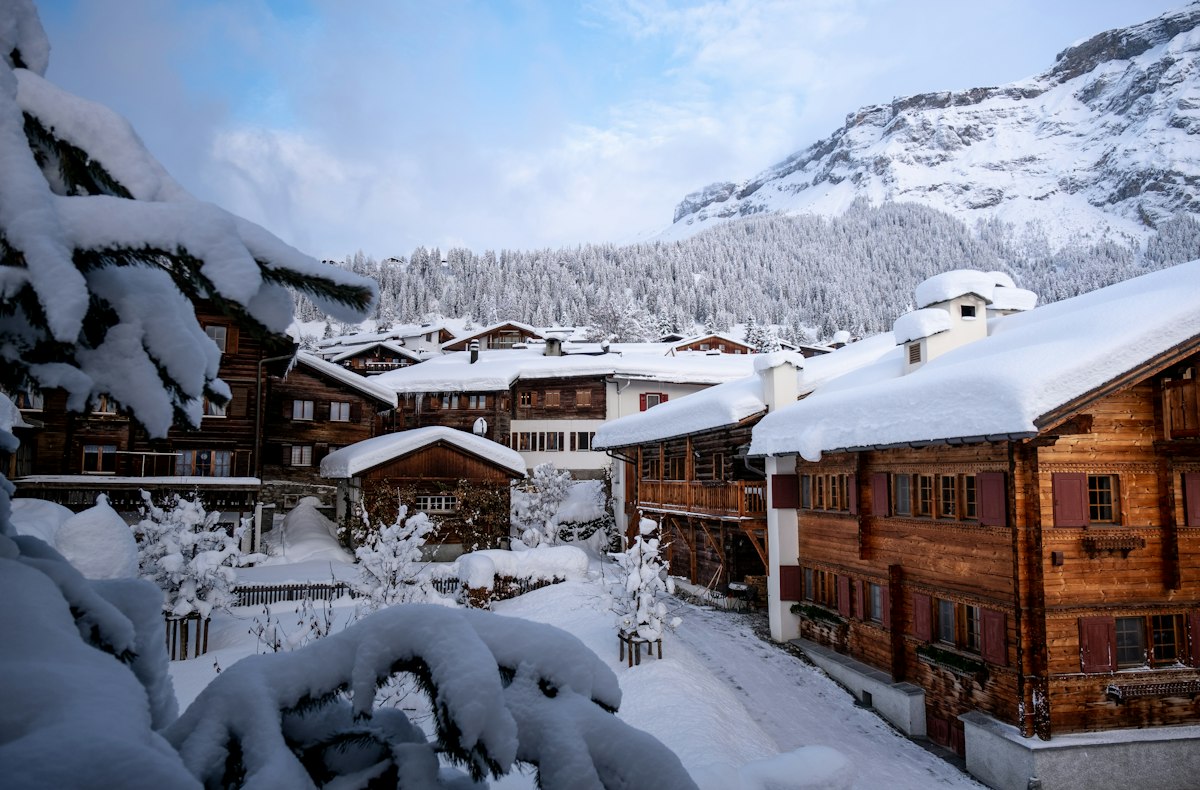
Planning a ski trip to Argentina involves more than just booking flights and choosing a resort. You'll need to sort out visa requirements, understand what travel insurance actually covers on the mountain, know the rules for bringing ski gear through customs, and get familiar with how money works on the ground. None of it is complicated, but getting it right before you leave saves headaches once you arrive.
Here's everything we tell our guests before they fly south for the ski season.
Do I Need a Visa to Ski in Argentina?
Most skiers won't need a visa. Citizens of the United States, Canada, the European Union, United Kingdom, Australia, New Zealand, and most South American countries can enter Argentina visa-free for up to 90 days as tourists. You'll receive a stamp in your passport on arrival -- no advance application needed.
A few important details: your passport must be valid for at least 6 months beyond your planned departure date. You don't need to show proof of onward travel at immigration, but having your return flight details handy speeds things up. The 90-day stay can be extended once for an additional 90 days at a local immigration office (Direccion Nacional de Migraciones) for a small fee, though most ski trips are well within the initial window.
If you hold a passport from a country that does require a visa, check the Argentine consulate website for your nationality. Processing times vary from 5-15 business days, so apply well in advance.
What Travel Insurance Do I Need for Skiing in Argentina?
Argentina does not legally require tourists to carry travel insurance, but we strongly recommend it -- especially for skiing. Mountain sports carry inherent risk, and medical costs can add up quickly if something goes wrong. A helicopter evacuation from the backcountry, for example, can cost $5,000-15,000 USD without insurance.
Here's what your policy should cover:
- Medical expenses: At least $100,000 USD coverage, including emergency evacuation and repatriation
- Winter sports coverage: Many basic travel insurance policies exclude skiing. You need a policy that explicitly covers skiing, and ideally off-piste skiing and backcountry activities if you plan to venture beyond the marked runs
- Trip cancellation/interruption: Protects your investment if flights are canceled or you have to cut the trip short
- Gear coverage: Covers loss, theft, or damage to your ski equipment -- especially important if you're bringing your own gear
World Nomads, Battleface, and Global Rescue all offer policies with solid winter sports coverage. Read the fine print on altitude limits -- some policies cap coverage at 3,000 meters, which could be an issue at Las Lenas (peak elevation 3,430m).
Can I Bring My Own Ski Gear Through Customs?
Yes, and it's straightforward. Argentina allows tourists to bring personal sporting equipment duty-free as long as it's clearly for personal use and you're taking it home with you. You won't need a carnet or special customs declaration for skis, boots, poles, helmets, or avalanche safety gear.
Practical tips for traveling with ski gear:
- Use a padded ski bag and mark it clearly with your name and destination
- Keep bindings set to your DIN settings -- resort technicians in Argentina can verify them but may charge for major adjustments
- Avalanche transceivers, probes, and shovels are fine in checked luggage
- Don't pack aerosol wax or pressurized boot dryers -- those violate airline hazmat rules
- Check your airline's ski bag policy: most charge $50-150 USD each way for oversized sporting equipment
If you're flying through Buenos Aires (EZE) to Bariloche (BRC), your ski bag will typically be checked through to your final destination. Allow at least 2.5 hours for connections at EZE if booking separate tickets. For the full travel logistics, see our Buenos Aires to Bariloche guide.
How Does Currency Work in Argentina?
Argentina's currency situation is something every visitor needs to understand. The official currency is the Argentine peso (ARS), and the exchange rate has been favorable to foreign visitors in recent years. As of early 2026, $1 USD buys approximately 1,200-1,400 ARS through official channels.
Key currency tips:
- Credit cards are widely accepted at ski resorts, hotels, and restaurants in tourist areas like Bariloche. Visa and Mastercard work best. Always pay in pesos when given the option -- paying in USD at the point of sale usually gives you a worse rate.
- Cash is still useful for smaller purchases, taxis, tips, and some smaller restaurants or rental shops. ATMs (cajeros automaticos) are available in Bariloche and all ski towns, but they have per-transaction withdrawal limits (typically 15,000-30,000 ARS) and charge fees.
- Tipping is customary: 10% at restaurants, small tips for ski instructors and transfer drivers
- Carry some US dollars as backup -- many accommodation providers and tour operators also accept USD directly
For the most current exchange rates and a full budget breakdown, check our Patagonia ski trip cost guide.
Are There Any Health Requirements or Vaccinations?
Argentina does not require any specific vaccinations for entry from most countries. No COVID-19 vaccination or test requirements are in effect as of 2026. There are no malaria or yellow fever concerns in the Patagonian ski regions -- those advisories apply only to subtropical northern provinces like Misiones.
The main health considerations for skiing in Patagonia are altitude and sun exposure. Most Patagonian resorts sit between 1,000-2,200 meters, which rarely causes altitude issues. Las Lenas, at 2,240-3,430 meters, can affect some people -- drink extra water, ease into activity on day one, and watch for headache or nausea.
The southern sun is intense, especially at altitude with snow reflection. Pack SPF 50+ sunscreen, quality UV-blocking goggles, and lip balm with sun protection. Sunburn on the slopes is the most common health complaint among visiting skiers.
What About Driving and Getting Around?
If you plan to rent a car (which we recommend for flexibility around Bariloche), you'll need your home country driver's license plus an International Driving Permit (IDP). Get the IDP before you leave -- it's inexpensive and available from your local automobile association (AAA in the US, CAA in Canada, etc.).
Road conditions between Bariloche and Cerro Catedral are paved and well-maintained, even in winter. Chains or winter tires may be required on snow days -- rental agencies can provide these. Driving to more remote resorts like Chapelco or Cerro Bayo involves scenic but manageable mountain roads.
For those who prefer not to drive, private transfers and shuttle services run daily between Bariloche and the ski resorts. Our group experiences and custom trips include all transportation.
What Else Should I Know Before I Go?
A few final practical notes:
- Language: Spanish is the primary language. English is spoken at major resorts and tourist-facing businesses, but learning basic Spanish phrases goes a long way
- Power outlets: Argentina uses Type I plugs (three angled prongs). Bring an adapter -- most phone and laptop chargers are dual voltage
- Time zone: Argentina is UTC-3 year-round (no daylight saving time)
- Emergency number: 911 works nationwide; ski patrol is available at all resorts during operating hours
- Cell service: Good coverage in Bariloche and resort base areas. Purchase a local SIM card at the airport or a Claro/Movistar/Personal shop for affordable data
Ready to start planning your Argentine ski adventure? Tell us your dates and we'll handle the details -- from transfers and accommodation to lift tickets and guided days on the mountain.