Behind the Ropes: What the Ski Patrol at Cerro Catedral Does and What Our Guides Wish You Knew
The ski patrol at Cerro Catedral opens the slopes, marks hazards and brings injured skiers down. Here is how their day works and what our guides wish every skier knew.
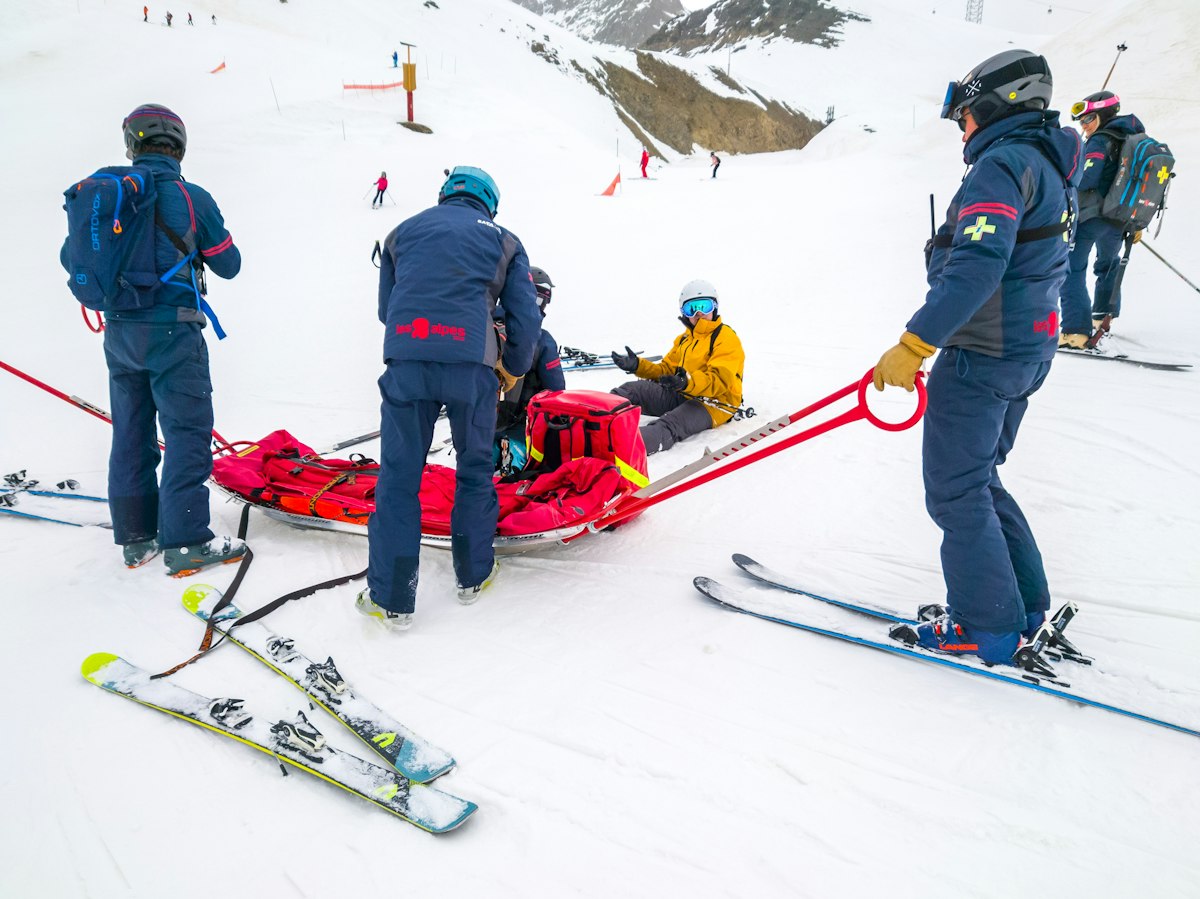
The ski patrol at Cerro Catedral keeps the mountain open and safe by checking slopes before the lifts run, marking hazards, treating injuries and bringing injured skiers down by sled. They are the first people on the hill and the last to leave. This is how their day works and what guides wish every skier knew before the first chair.
Quick Answer: Ski patrol at Cerro Catedral
- What they do: open the slopes, mark hazards, give first aid, evacuate injured skiers
- When they start: before the first lifts, usually in the dark in midwinter
- What to do after a fall: stay uphill of the injured person, cross your skis above them, send someone for help
- Emergency number in Argentina: 107 for medical help, or ask any lift operator to radio patrol
- Insurance: get ski cover that includes mountain rescue
What does the ski patrol do at a Patagonian resort?
The patrol's main job is to make terrain safe to ski and to respond when something goes wrong. That covers checking runs each morning, placing ropes and signs over rocks and drop-offs, and closing runs that are not safe after storms or heavy wind.
They are also the medical response on the mountain. A patroller reaches the injured skier, treats them where they lie and brings them down by sled to the base. For serious cases the next step is an ambulance to a clinic in Bariloche, which is why travel cover matters.
What happens before the lifts open?
Before the first chair loads, the patrol walks or skis the terrain to check it. The day begins early: in July the sun rises late and temperatures at the top can sit well below zero, so crews start in the dark with headlamps.
They look at the snowpack, check for new slides, look at wind effect on ridges and decide what opens. Our guides often wait for that decision before planning the day, since a closed upper lift changes everything. If you hear that a sector will open late, that usually means the patrol is still working on it.
How does avalanche control work near the resort?
Avalanche control means reducing the hazard on slopes that slide, and at resort level it is mostly about closing terrain and reading the snow. After a heavy storm, patrol teams assess steep slopes and may keep them closed until the snow has settled.
The practical point for you: a rope or a closure sign is a decision made by someone who looked at that slope that morning. Ducking it is the most common way skiers get into trouble in this region. If you want to ski beyond the resort, read our post on avalanche safety in the Andes and go with a certified guide, as explained in our guide to choosing a ski guide in Patagonia.
What should you do if someone is hurt on the slope?
If someone is hurt, stop uphill of them, make the spot visible and send help, in that order. Following these steps keeps the scene safe and brings the patrol quickly.
- Stop above the injured person so no one skis into them.
- Cross a pair of skis in the snow above the spot as a warning signal.
- Do not move the person if they have hit the head, neck or back.
- Send someone to the nearest lift station or call for help, and give the run name and the location.
- Stay with the injured skier and keep them warm until the patrol arrives.
What do guides wish skiers knew about the patrol?
Our guides say the same few things. First, patrollers are not customer service: they are trained responders with a mountain to look after, so tell them the facts quickly and then let them work.
Second, wind and visibility close terrain for good reasons. Third, injuries come late in the day more than any other time, when tired legs meet firm snow, so ending the day early is a skill. Fourth, wear a helmet; it is cheap compared with the cost of a rescue.
On a typical week we see guests hurt knees on the last run of the day far more than we see anything dramatic at altitude. Our post on getting ski-fit for Patagonia can help you avoid that.
What does a rescue cost and what insurance do you need?
A mountain rescue and clinic visit can run from a few hundred to several thousand US dollars without cover, so ski-specific travel insurance is essential. Many policies exclude off-piste or heli-skiing unless you add the right option, so read the terms before you buy.
Check that your policy covers on-mountain rescue, evacuation to Bariloche and medical treatment. Our guide to Argentina entry requirements for skiers covers what to bring. If you are booking guided or heli-ski experiences, the operator will ask for proof of cover.
Frequently Asked Questions
Is there ski patrol at Cerro Catedral? Yes. A professional patrol works the mountain, marks hazards and handles first aid and evacuation. Ask at any lift station if you need help.
Who do I call if I have an accident on the slope? Ask the nearest lift operator to radio the patrol, or call 107 for medical emergencies in Argentina. Give the run name and your position.
Does the ski patrol cover off-piste terrain? Resort patrol covers in-bounds terrain. Beyond the boundary you need a guide, avalanche gear and rescue cover; see our off-piste guide.
Do I need a helmet at Catedral? It is strongly recommended, and our guides require it on guided days.
This guide was written by the Ski Patagonia Co. team, based on many seasons of guiding at Cerro Catedral and conversations with the patrol and mountain staff there.
Ready to plan your own trip? Tell us your dates, your level and what you want from the mountain, and we will build it around you. Start here with Plan My Trip.
Hero photo by Ed Wingate on Unsplash