Avalanche Safety in the Andes: What Every Skier Should Know
Avalanche safety in the Andes: how the Patagonian snowpack differs, what gear to carry, and how to plan a safe off-piste day.
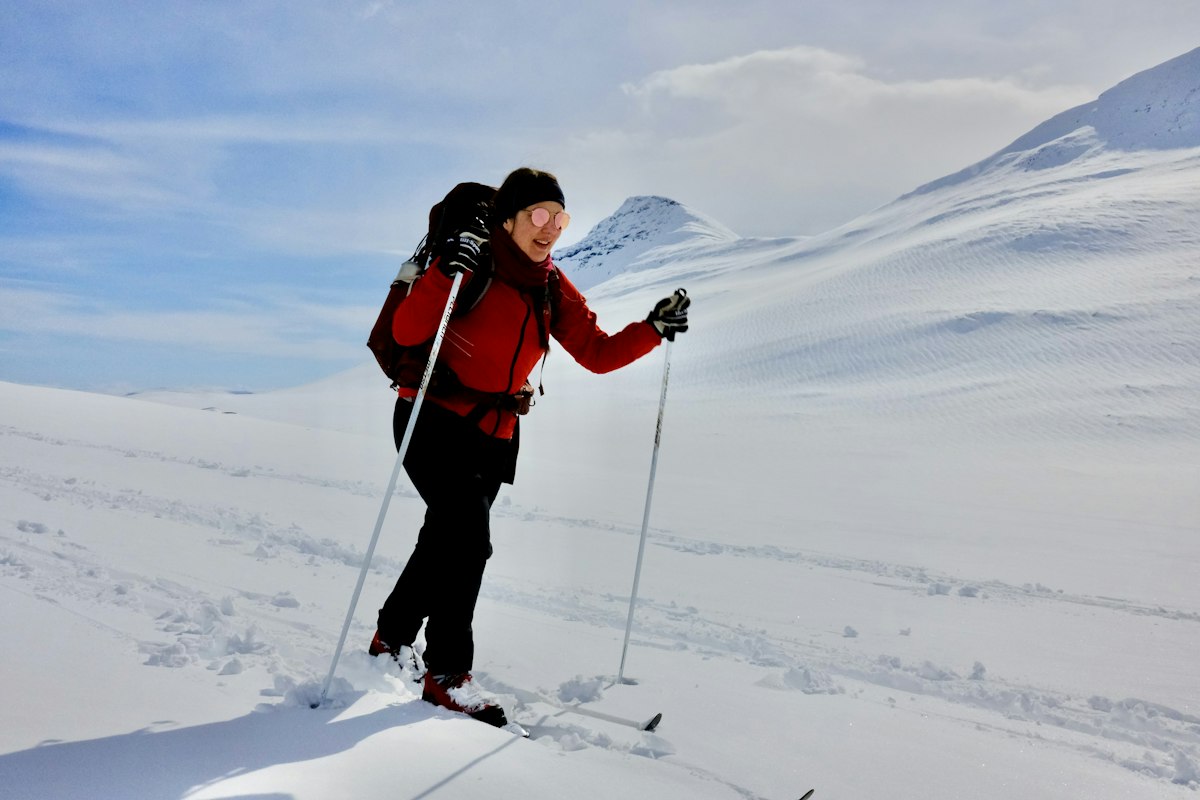
Avalanche safety in the Andes follows the same core principles as anywhere else — but the snowpack, weather, and rescue infrastructure here are different enough that skiers from North America and Europe should take a fresh look at their habits before going off-piste. Our guides run avalanche training every season for visiting skiers, and these are the things we wish every client knew before their first day out.
How the Andes Snowpack Differs From the Alps or Rockies
The Patagonian snowpack is maritime and unstable. Storm cycles dump 30-60 cm in a single night, followed by strong westerly winds that load leeward slopes heavily and create wind slabs within hours. Temperatures hover close to freezing for most of the season, which keeps the snowpack wet and reactive. Unlike the continental Rockies, you won't find deep persistent weak layers — but you will find fresh storm slabs almost every time it snows.
The practical takeaway: conditions change fast. A line that skied well at 9am may be loaded by 11. Always check the night-before forecast and the morning update before committing to a descent.
Is There an Avalanche Forecast in Argentina?
Yes, but it's limited. The Argentine government publishes daily bulletins for Cerro Catedral and parts of the Nahuel Huapi range during the winter season (late June through early October). The bulletins are in Spanish and focus on the major resort-adjacent zones. Further south — around Cerro Castor, La Hoya, or the Chaltén backcountry — there is no official forecast, and you're relying on local guides and direct observation.
The Bariloche forecast is available at the CAB (Club Andino Bariloche) office and at most guide shops in town. We give it to every client we guide. For context on planning, see our Patagonia ski season breakdown.
The Minimum Gear You Should Carry
For any off-piste day in the Andes, every person in the group should carry:
- A digital 3-antenna transceiver (457 kHz), turned on and checked at the trailhead
- A metal avalanche shovel (plastic shovels break in the dense Andean debris)
- A 240 cm or longer probe
- A small first-aid kit
- An inReach or PLB for groups going beyond lift-served terrain
Airbag packs are useful but not essential at most lift-served resorts. For heli-skiing or true backcountry days, we require them. Read more on heli-skiing in the Andes.
What a Companion Rescue Looks Like Here
Professional rescue response in Patagonia is slow by North American standards. At Cerro Catedral, patrol can reach most in-bounds terrain within 15 minutes. Off-piste, response time jumps to 30-90 minutes depending on helicopter availability. In true backcountry terrain, there is no organized response — you are the rescue.
This means companion rescue skills aren't optional. Every skier in the group should be able to:
- Switch their transceiver from send to search in under 5 seconds
- Run a signal search in a 40-meter strip
- Pinpoint to 2 meters in under 3 minutes
- Probe strike and dig a victim out within 10 minutes of burial
If that list sounds intimidating, take a one-day avalanche course before your trip. CAB in Bariloche runs them in English for about USD 150.
Terrain Choices That Reduce Risk
Most avalanche accidents in the Andes happen on leeward, wind-loaded, 30-40 degree slopes within 24 hours of a storm. You can dramatically cut your risk by:
- Waiting one full clear day after a major storm before dropping into steep leeward aspects
- Choosing windward or cross-loaded aspects on days with recent wind loading
- Staying on ridges, spines, and convex rolls rather than concave bowls
- Skiing one at a time, spotting from safe zones, and regrouping only in avalanche-safe terrain
This is how our guides run every off-piste day. See our off-piste experience for what a guided day looks like, and our guide to Catedral's off-piste lines for terrain specifics.
Training Resources Worth Using Before Your Trip
Three specific resources we recommend to every visiting skier:
- AIARE Level 1 (North America) or the AVA1 equivalent in Europe — a 24-hour course with fieldwork
- Bruce Tremper's Staying Alive in Avalanche Terrain — the canonical book, worth reading twice
- Know Before You Go online module — free, 60 minutes, excellent primer
None of these replace hands-on training, but doing all three puts you ahead of 90% of the skiers we meet at the lift.
When to Hire a Guide
Honest answer: your first three off-piste days in the Andes. The terrain looks familiar but the snowpack doesn't behave the way it does in the Alps or Rockies. A guide costs around USD 350-450 per day for a group of four. That's the price of one ruined vacation versus a lifetime of skiing this range safely. If you're planning a trip, talk to us about a guided start — we'll pair you with someone who can teach as they ski.