The Best Off-Piste Runs at Cerro Catedral
The best off-piste runs at Cerro Catedral — from Laguna Negra to La Cornisa — and how to ski them safely with a local guide.
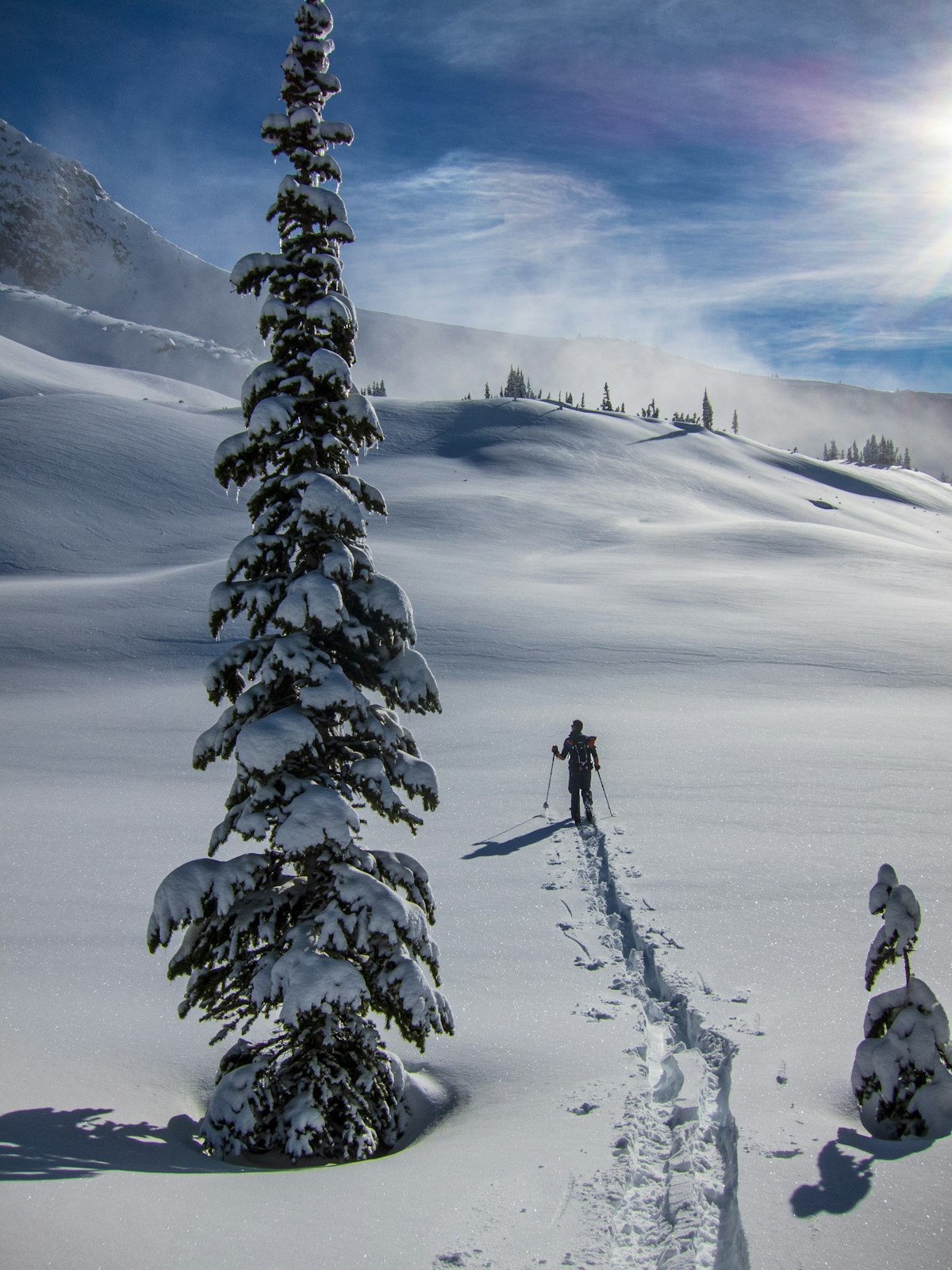
Cerro Catedral holds more skiable off-piste terrain than any other resort in South America, and the best lines don't show up on the trail map. If you've come to Patagonia looking for untouched powder, windscoured spines, and the kind of big-mountain descents you'd associate with Chamonix or La Grave, the runs off Catedral's ridgelines deliver. Our guides ski these lines from June through September, and these are the ones worth planning a trip around.
How Off-Piste Skiing Works at Cerro Catedral
Catedral's off-piste terrain is accessed through gates directly from the in-bounds lift system. Unlike most resorts in North America, much of what looks like backcountry from the chair is legally open, ungroomed, and unpatrolled. There are no ropes, no bootpack queues, and no official avalanche control on most of it. The resort sits at 2,000 meters at the base and tops out at 2,180 meters, with a vertical drop of around 1,070 meters when you drop into the outer bowls.
The takeaway: the terrain is lift-served but the responsibility is yours. Bring a transceiver, shovel, and probe, and hire a guide if you don't know the lines. More on that in our full Cerro Catedral guide.
La Cornisa: The Classic Introduction
La Cornisa is the ridgeline visible from the base area — the long, snow-draped spine that runs above Lago Gutiérrez. It's accessed from the top of the Nubes chair with a 10-minute traverse. The descent drops roughly 700 vertical meters of 35-40 degree terrain into open bowls before funneling back toward the resort.
This is the run we send intermediate off-piste skiers on first. It's steep enough to feel serious, exposed enough to feel wild, and finishes back in-bounds without a skin track. On a good powder day, it holds snow longer than the groomed runs because it sits on the south-facing leeward side.
Laguna Negra: The Full-Day Descent
Laguna Negra is the crown jewel. From the top of the tram, you boot for 40 minutes along an exposed ridge before dropping 1,400 vertical meters to a frozen glacial lake. The descent holds some of the best snow on the mountain — wind-sheltered, cold, and consistent — but it's a one-way trip. You'll finish at the shore of Laguna Negra and need a pickup truck at the end of a 30-minute cross-country ski out.
We run Laguna Negra as a full-day guided trip. Cost is around USD 350 per skier with a guide, transport back, and lunch. It's the single best reason to book our off-piste experience.
Nubes Chutes: The Hidden Steep Lines
Behind the Nubes cable car station are a series of north-facing chutes that most tourists never see. They're short — 200 to 300 vertical meters — but steep, with 45-degree entries and rocky bookends. On powder days, locals are in there within 20 minutes of the lifts opening.
The best of the Nubes Chutes is a line called El Cuchillo (the knife). The entry requires a short side-step and a mandatory first turn over a convex roll. This is not a warm-up run. Ski it mid-morning, after the sun has softened the entry, with a partner who's comfortable on 45-degree terrain.
Tres Reyes: Ski Mountaineering From the Top
Tres Reyes is the three-peaked massif north of the main resort. Reaching it requires a 90-minute skin from the top of the chair and a short bootpack to the summit at 2,400 meters. The descent is 1,600 vertical meters back to a forest road, with options for three different aspects depending on conditions.
This is the run we give to experienced ski-mountaineers who want a proper Andean day. You'll need touring gear, ski crampons, and the humility to turn around if the wind is bad. We've had clients summit in 20 minutes and we've had clients get turned back by 100 km/h gusts at the shoulder.
The Cable Carril Bowls
A 15-minute traverse from the top of the Cable Carril lift opens up a series of hidden north-facing bowls with 600-800 meters of vertical. The snow here is often the lightest on the mountain — these bowls are the last to see sun and the first to refill after a storm.
The traverse itself is the crux. It's exposed, narrow in places, and requires confidence on a sidehill. Once you're over the ridge, the skiing is open, forgiving, and stunning. Finish with a long runout through a lenga forest that deposits you back at the base of the Punta Princesa lift.
How to Ski Catedral's Off-Piste Safely
A few rules we give every client:
- Ski with a guide on your first day. Catedral's avalanche terrain is not well-marked, and the lines above the lake involve cliffs that are not visible from above.
- Check wind forecasts the night before. Wind above 60 km/h shuts down access to the best lines.
- Carry proper gear: transceiver, shovel, probe, and an airbag pack for the exposed bowls.
- Do the iconic descents early in the season (July-August) when snow coverage is best.
For groups of four or more, we run private off-piste weeks that combine Catedral with a day at Cerro Bayo and a heli-ski add-on.
Ready to Ski These Lines?
Cerro Catedral's off-piste terrain rewards skiers who come prepared. If you're planning a trip, the best thing you can do is book a guide for your first two days — it cuts the learning curve from a week to an afternoon and opens up terrain you'd never find on your own. Plan your trip with our team and we'll match you with a guide who skis these lines every week.