How to Choose a Ski Guide in Patagonia: Certifications, Questions to Ask, and Red Flags
Not all ski guides in Patagonia hold formal certifications -- and the difference matters when you're headed into serious off-piste terrain. Here is what UAGM, IFMGA, and ACMG credentials actually mean and how to pick the right guide.
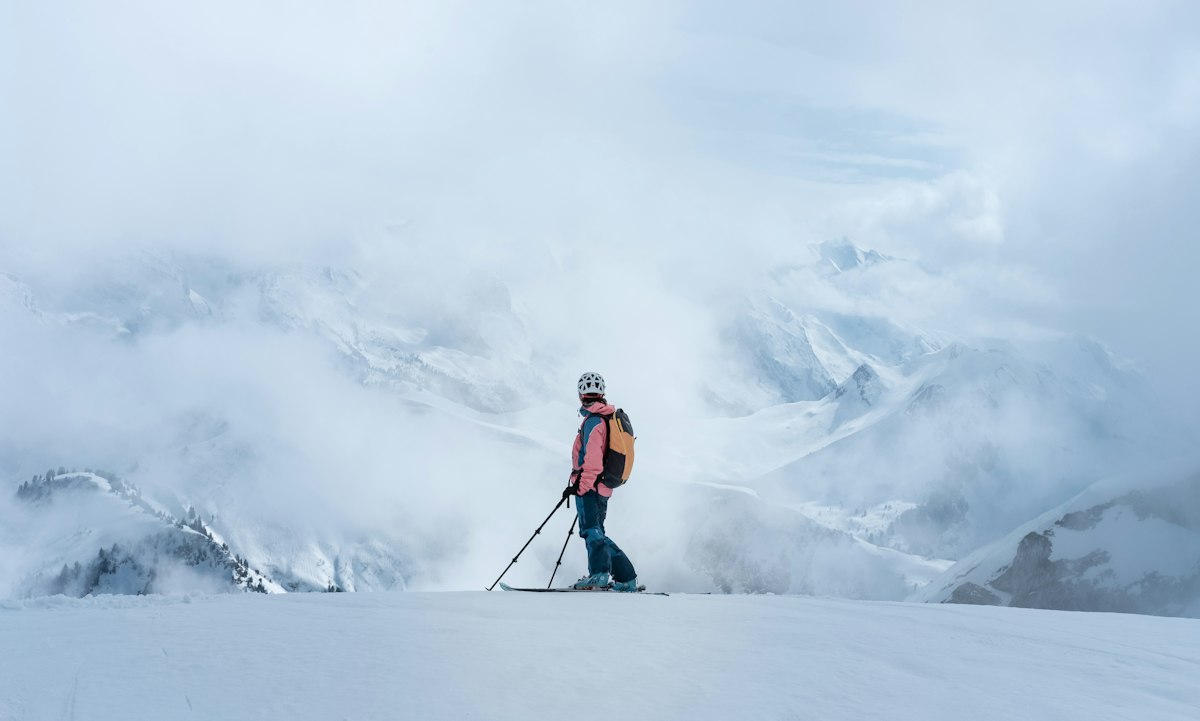
Booking a guided ski day in Patagonia sounds straightforward until you start comparing options. The price range is wide, the credential names are unfamiliar, and everyone promises expert local knowledge. Knowing what ski guide certifications actually mean -- and which questions to ask before you pay -- is the difference between a remarkable day in the Andes and a genuinely dangerous one.
What Guide Certifications Actually Mean
Three main bodies certify ski and mountain guides working in Patagonia and the Argentine Andes.
UAGM (Union Argentina de Guias de Montana) is the Argentine mountain guide association and the most common credential you will see locally. UAGM certifies guides across multiple disciplines -- ski mountaineering, trekking, and technical climbing -- and is the national professional authority in Argentina. A UAGM-certified guide has completed formal training in route-finding, avalanche rescue, first aid, and techniques specific to Andean conditions.
ACMG (Association of Canadian Mountain Guides) and IFMGA (International Federation of Mountain Guides Associations) represent the gold standard internationally. An IFMGA guide has passed the most rigorous multi-year certification programme in the world and can operate safely in any alpine environment on earth. If you see IFMGA on a guide's profile, it means they have been tested in conditions far beyond what most Andean terrain will throw at a group.
For resort-based off-piste or backcountry day tours near Cerro Catedral or Chapelco, a certified UAGM guide is entirely sufficient. For serious ski mountaineering, remote heli-ski expeditions, or anything involving glacier travel, an IFMGA-certified guide is worth seeking out.
Red Flags to Watch For
Not every person offering guided ski days in Patagonia holds formal certification. Watch for these warning signs before you commit:
- No physical license or credential number when asked directly
- Vague answers about safety equipment -- beacon, probe, and shovel for every person are non-negotiable in off-piste terrain
- Reluctance to share a day plan or discuss the itinerary in advance
- No mention of liability insurance
- Pricing significantly below market -- certified guides charge rates that reflect years of professional training and the cost of proper equipment
A legitimate guide will welcome your questions. Hesitation or deflection is a signal worth taking seriously.
Questions to Ask Before You Book
Before committing to any guided day, ask these directly:
What is your certification and license number? Any UAGM, ACMG, or IFMGA guide can produce this without hesitation.
What safety equipment do we carry? The minimum answer: an avalanche transceiver for every person, plus probe, shovel, and a first aid kit. Ask who carries which items.
What is your evacuation plan if someone is injured? A professional guide has a practised, specific answer -- not a vague reassurance about "figuring it out."
What is the current avalanche risk and how did you assess it? They should have checked the regional forecast that morning and be able to explain the snowpack in plain language.
What is your cancellation policy for wind or storm days? Patagonian wind can close terrain without warning. Know the refund policy before you pay.
Group Size Matters
The ratio of clients to guide is a meaningful safety factor that is easy to overlook. One guide to two or three clients is standard for serious off-piste terrain. One guide to eight or ten people is closer to a group ski lesson than a guided backcountry experience.
Ask how many people are in your group and whether the guide works with an assistant for larger parties. On terrain where a guide needs to assess cornices, manage rope systems, or coordinate an avalanche rescue, smaller groups are not just more enjoyable -- they are materially safer.
What Our Guides Hold
All guides at Ski Patagonia Co. who operate off-piste or in backcountry terrain hold UAGM certification at minimum. Several of our senior guides hold IFMGA credentials earned through programmes in Argentina, Canada, and Europe. We carry full liability insurance and can provide documentation on request before any booking is confirmed.
We structure group sizes conservatively -- typically one guide per two to three clients for off-piste days -- because the terrain demands it and because the experience is genuinely better at that ratio.
When a Certified Guide Changes Everything
If you are skiing groomed resort runs, you need a ski instructor, which is a separate credential entirely. But the moment you step outside the rope line into the Andean backcountry, formal certification stops being optional.
The terrain is serious. Weather changes fast. Avalanche risk is real, remote access is common, and helicopter response times in the backcountry can be long. The right guide does not just make the day more interesting -- they make it possible to safely access the snow that makes Patagonia worth coming to in the first place.
The best ski days of most trips happen off-piste, on untouched snow that resort runs never touch. Spending a little more on a certified local guide to reach that terrain safely is one of the best investments you can make on the trip.
Ready to see what the Andes backcountry actually looks like? Plan your guided ski day with our certified team, or browse our off-piste experiences to see the terrain we work in.