Patagonian Wind: How It Affects Skiing and What to Do on Wind Days
Wind is the defining weather feature of Patagonian skiing. Here's how it affects the mountains, when to expect it, and what to do when the lifts close.
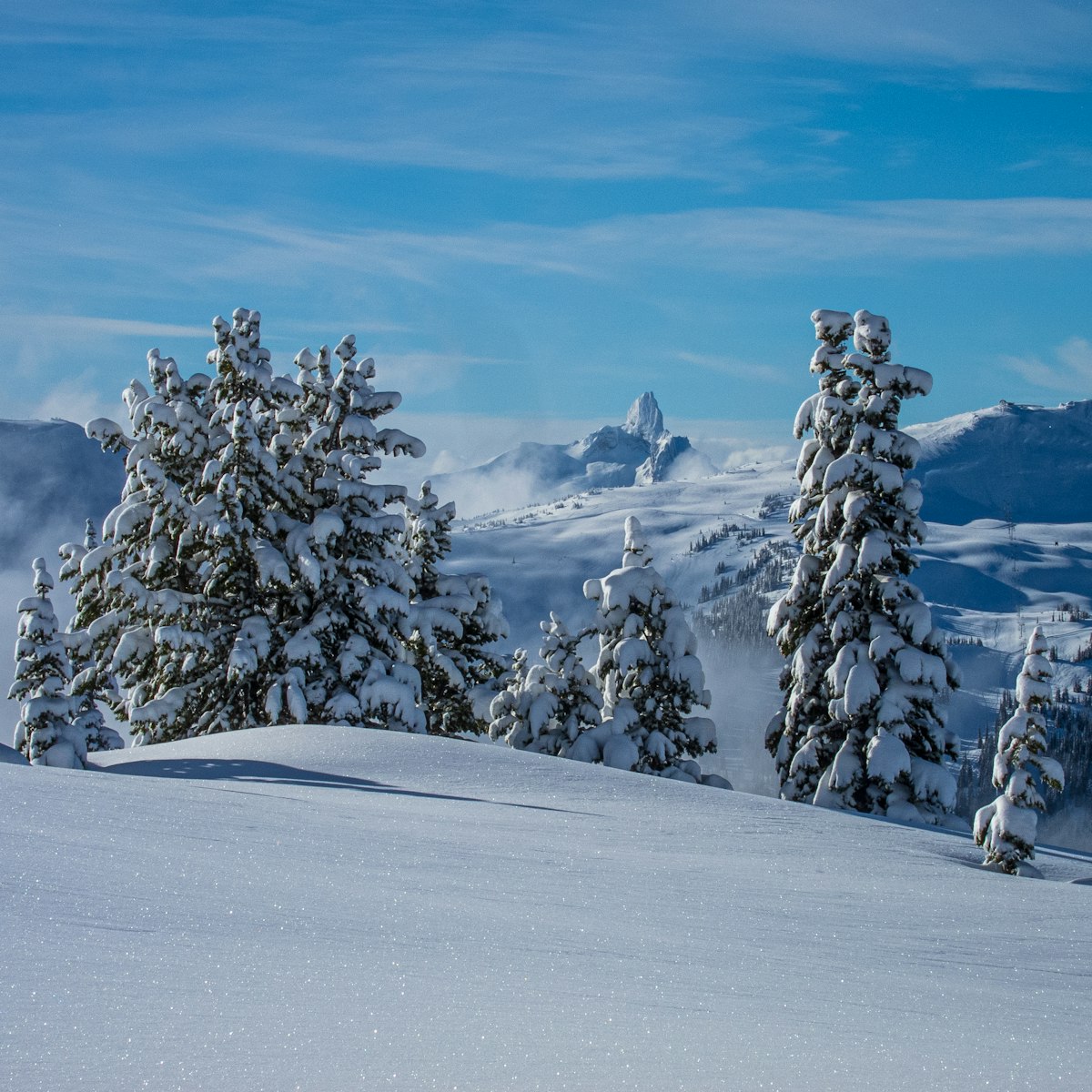
If there's one thing every skier needs to understand about Patagonia before booking a trip, it's the wind. The Andes in southern Argentina sit directly in the path of the Roaring Forties and Furious Fifties — powerful westerly wind bands that circle the Southern Hemisphere uninterrupted by land masses. This wind shapes everything about skiing here: the snow conditions, the lift operations, the terrain, and how you plan your days. It's not a dealbreaker — far from it — but understanding it will make your trip dramatically better.
How Windy Is It, Really?
Patagonian wind is unlike anything most Northern Hemisphere skiers have experienced. At Cerro Catedral, the upper mountain regularly sees sustained winds of 60-80 km/h, with gusts exceeding 100 km/h during storms. On the worst days, the upper lifts close entirely. On average, you can expect 1-2 full wind closure days per week during peak season, and another 1-2 days where upper lifts are closed but lower terrain remains operational. This means out of a 7-day ski trip, you'll typically get 4-5 full skiing days and 1-2 partial days. That's the honest math, and it's important to plan around it rather than be surprised by it.
When Is the Wind Worst?
Wind patterns in Patagonia follow a seasonal rhythm. July is the snowiest month but also the windiest — storms roll through every few days, dumping snow but also bringing high winds that can shut down lifts for 24-48 hours. August tends to be slightly calmer with longer settled periods between storms. September and early October often bring the calmest wind conditions of the season, combined with warmer temperatures and deep snowpack — it's one of the reasons we consider late season skiing underrated. Within any given week, wind typically builds through the day. Mornings are almost always calmer than afternoons, so get to the lifts at opening (9:00 AM) and ski hard until 1:00 PM.
How Does Wind Affect the Snow?
Here's the silver lining: wind is actually responsible for some of the best skiing in Patagonia. As westerly winds blast across the upper ridges, they strip snow from windward faces and deposit it in deep drifts on leeward slopes. This creates pockets of incredibly deep, wind-loaded powder in protected bowls and gullies — often 2-3 days after a storm, long after Northern Hemisphere resorts would have been tracked out. The best skiers in Patagonia know that the day after a wind closure is often the best skiing day of the trip. The wind has done the work of redistributing the snow into sheltered zones. This is exactly the kind of local knowledge our guides bring to off-piste experiences.
What to Do on Wind Days
A wind day doesn't have to be a wasted day. Here's how we advise our clients to make the most of them:
If lower lifts are running: Ski the tree line. The forests below 1,600 meters at Catedral provide excellent wind protection and the trees filter the gusts. The runs through the lenga forest on the lower mountain are some of the most enjoyable terrain at the resort — and they're often empty because everyone is checking the webcam hoping the upper lifts will open.
If the resort is fully closed: Head into Bariloche. Visit the famous Chocolate shops along Mitre Street, explore the Nahuel Huapi National Park visitor center, or take a drive along the scenic 7 Lakes Route. Many of our guests say their best memories from Patagonia came from wind days spent exploring the town, eating long asado lunches, and discovering craft breweries. For food and drink ideas, see our after-skiing guide to Bariloche.
What Gear Helps With the Wind?
The right gear makes a massive difference on windy days. A hardshell jacket with a good hood is essential — not a softshell, not a down puffy. You need a hood that cinches tight over your helmet and a high collar that covers your chin. Goggles over sunglasses every day in Patagonia, even when it's sunny — wind-blown ice crystals will destroy your day in sunglasses. A balaclava or neck gaiter that covers your face is non-negotiable. And bring hand warmers — wind chill at the summit of Catedral can push effective temperatures well below -15°C even when the base area feels mild. For a complete list, see our Patagonia packing guide.
Planning Your Trip Around the Wind
The smartest strategy is to book more days than you think you need. If you'd normally do a 5-day ski trip to Colorado, plan 7 days for Patagonia. This gives you a buffer for wind days and ensures you still get plenty of skiing in. We also recommend keeping your itinerary flexible — don't pre-book a fixed schedule of lessons and guides for every single day. Instead, keep 1-2 days open and use them for the best conditions. Our custom trip planning builds this flexibility into every itinerary.
The Bottom Line on Patagonian Wind
Yes, the wind is real, and yes, it will affect your trip. But it's also part of what makes Patagonia special. The wind keeps the crowds thin, creates incredible snow conditions in sheltered terrain, and forces you to slow down and enjoy the non-skiing side of this remarkable place. Every skier who visits Patagonia goes home with a wind story — and most of them are laughing when they tell it. Ready to plan a trip that accounts for the wind and maximizes your ski days? Talk to our team and we'll build an itinerary that works with the weather, not against it.