How to Get Ski-Fit for Patagonia: A 6-Week Training Guide
Patagonia's altitude, terrain, and long ski days demand more fitness than your average resort trip. Here's a practical 6-week programme to get your legs ready.
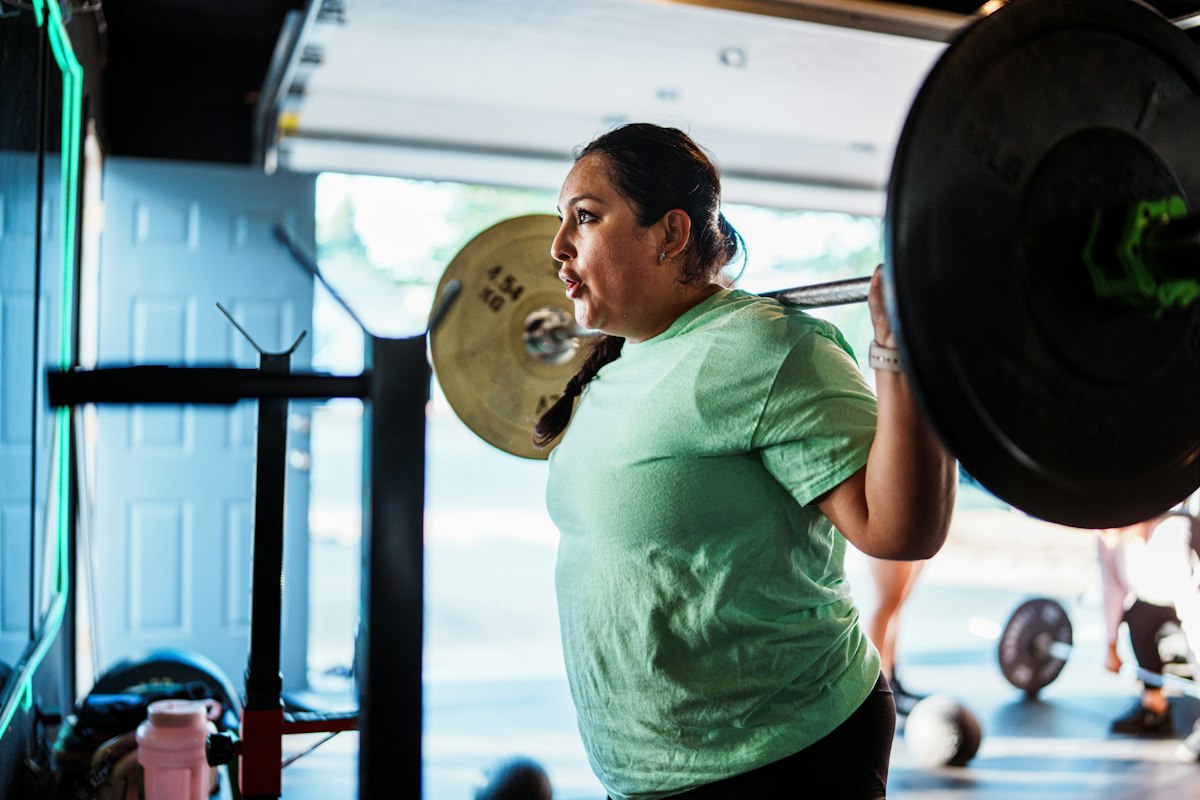
Every season, we see the same pattern: a guest arrives in Bariloche buzzing with excitement, charges hard on day one, and by day three their legs are screaming and they're watching from the lodge. Patagonia's ski terrain is physically demanding -- the runs are long, the altitude is real (Catedral tops out above 2,100 metres, Las Lenas above 3,400), and the best skiing often requires hiking or traversing to reach.
The good news: six weeks of focused preparation makes an enormous difference. You don't need a gym membership or a personal trainer. Here's what actually works.
Why Patagonia Demands More Fitness Than You Think
Three factors make skiing in Argentina more physically taxing than a typical Northern Hemisphere resort week.
First, altitude. Cerro Catedral has a summit above 2,100 metres, and Las Lenas reaches 3,430 metres. If you're coming from sea level, you'll feel the reduced oxygen in your lungs on the first couple of days. It's not severe enough to cause altitude sickness for most people, but it does mean your legs fatigue faster.
Second, run length. Catedral's top-to-bottom runs are over 1,000 vertical metres. That's a long descent, and your quads and calves take a beating, especially in variable snow conditions.
Third, off-piste access. Many of the best lines in Patagonia require boot-packing, traversing, or short hikes. If you're planning any off-piste or backcountry skiing, cardio fitness is non-negotiable.
The 6-Week Programme
This plan focuses on the three things that matter most for skiing: leg strength, cardiovascular endurance, and balance. Aim for 4-5 sessions per week, alternating between strength and cardio days.
Weeks 1-2: Build the Base
Strength (3x per week):
- Wall sits: 3 sets of 45-60 seconds
- Bodyweight squats: 3 sets of 15
- Lunges (forward and lateral): 3 sets of 12 per leg
- Single-leg deadlifts (bodyweight): 3 sets of 10 per leg
- Calf raises: 3 sets of 20
- Plank: 3 sets of 45 seconds
Cardio (2-3x per week):
- 30-minute sessions: running, cycling, swimming, or brisk hiking
- Focus on steady effort -- you should be able to hold a conversation
Weeks 3-4: Build Intensity
Strength (3x per week):
- Increase squat depth and add weight if available (dumbbells, backpack with books)
- Jump squats: 3 sets of 10
- Bulgarian split squats: 3 sets of 10 per leg
- Step-ups onto a bench or chair: 3 sets of 12 per leg
- Side plank: 3 sets of 30 seconds per side
- Box jumps or jump lunges: 3 sets of 8
Cardio (2-3x per week):
- Increase to 40 minutes
- Add one interval session: 1 minute hard, 2 minutes easy, repeat 8 times
- Hill walking or stair climbing is excellent ski-specific cardio
Weeks 5-6: Peak and Taper
Strength (3x per week, reducing to 2x in final week):
- Maintain all exercises from weeks 3-4
- Add single-leg squats (pistol squats or assisted) if you can
- Increase plank holds to 60 seconds
- Add lateral hops: 3 sets of 20 (10 per side) -- this trains the lateral stability skiing demands
Cardio (2x per week):
- One longer session (45-60 minutes at moderate pace)
- One interval session
- Final week: reduce volume by 30% to arrive fresh, not fatigued
Balance and Flexibility
Don't skip this. Skiing demands constant micro-adjustments in balance, and tight hip flexors or hamstrings increase injury risk.
Daily (10 minutes):
- Single-leg balance: stand on one foot for 60 seconds, eyes open then closed
- Hip flexor stretch: 30 seconds per side
- Hamstring stretch: 30 seconds per side
- Foam rolling quads, IT band, and calves if you have a roller
Yoga is excellent ski preparation if you prefer a structured flexibility routine. Even two 20-minute sessions per week makes a noticeable difference.
Altitude Preparation
If you're heading to Las Lenas or plan to ski the higher terrain at Catedral, consider arriving a day early to acclimatise. Stay hydrated -- the dry mountain air and altitude increase dehydration. Avoid heavy alcohol on your first evening (Malbec can wait one day). And don't go all-out on day one: treat the first morning as a warm-up, and your body will thank you for the rest of the week.
For a full packing list including recovery gear and hydration essentials, see our packing guide.
The Payoff
Six weeks of consistent training means you'll ski stronger on day five than most people ski on day one. You'll handle the long Catedral descents without burning out, you'll have the legs for that heli-ski day you've been dreaming about, and you'll actually enjoy the apres-ski instead of collapsing into bed at 7pm.
We design trips that match your fitness and ability level -- whether you want a relaxed family holiday or an intensive off-piste adventure. Tell us about your trip and we'll make sure it fits you perfectly.
Watch the Video
Our quick guide to the 6-week training plan we recommend before any Patagonia ski trip.
Watch the Video
Our quick guide to the 6-week training plan we recommend before any Patagonia ski trip.
Watch the Video
Our quick guide to the 6-week training plan we recommend before any Patagonia ski trip.