The Night Before Your First Ski Day: What Our Guides Tell Every Guest in Patagonia
The ten-minute briefing our Patagonia guides give the night before a guest's first ski day, and why it makes the first morning easier.
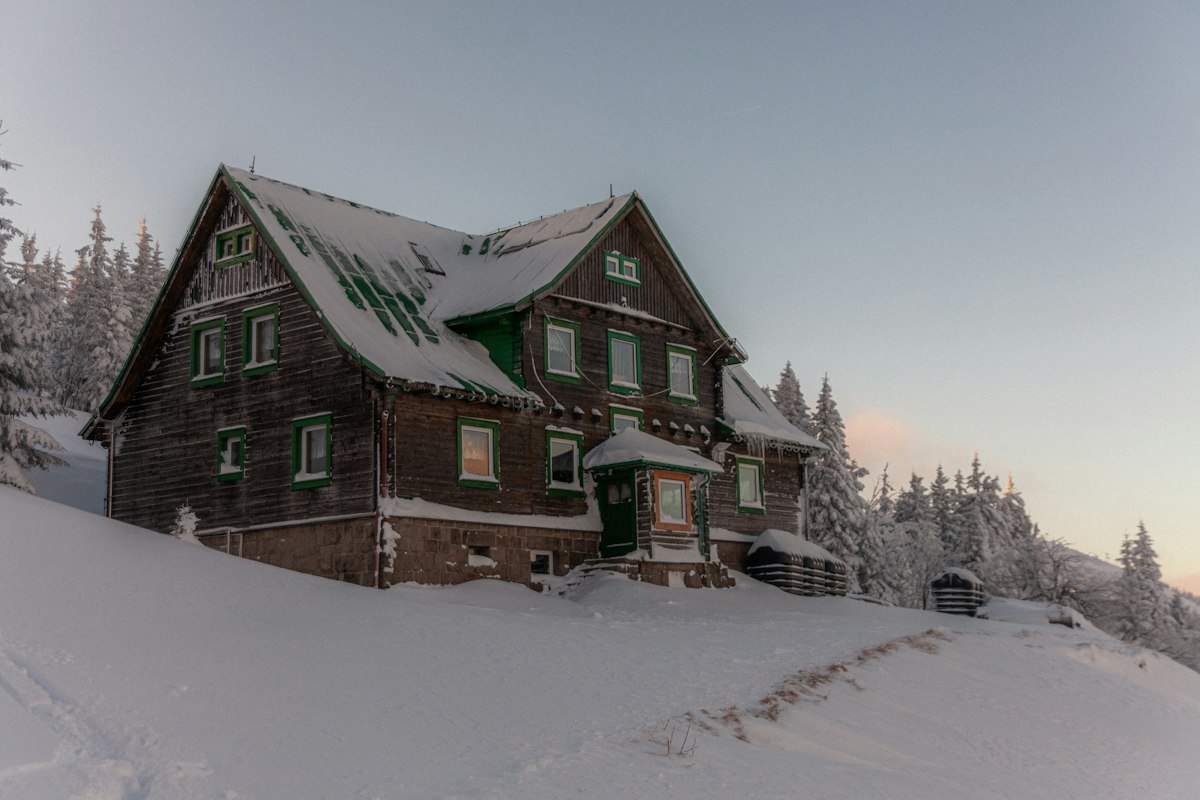
The night before a guest's first ski day, our guides give a short briefing that covers six things: the plan for the morning, what to wear, what to eat, how to handle the lifts, how to say when you are tired, and one rule about the mountain. It takes about ten minutes, and it saves more first days than any piece of equipment. This is what we say, and why we say it.
What do guides tell guests the night before the first ski day?
We start with the plan, because most guests are nervous about the unknown rather than about skiing itself. The plan is simple: meet at 8:30, fit boots and skis, ride one easy lift, and ski until the group is warm and relaxed. Nothing hard before lunch.
Guests sometimes arrive after a 14-hour journey and a time change, and we say so out loud. The first day is not a test. It is a gentle introduction, and we would rather you ski fewer runs well than burn out by noon. Our guide Mateo puts it plainly: "If you still want to ski at 3, we did it right."
What should you wear and carry on day one?
Layers matter more than any single piece of gear, so we tell guests to dress in three layers and carry a small pack. A thermal base, an insulating middle layer and a waterproof shell cover almost everything from minus 10 to plus 5 degrees Celsius.
We also check the small things that ruin mornings: goggles that fog, gloves that are too thin, and sunscreen left in the room. Our packing list for Patagonia has the full kit, and we remind guests that ski socks should be thin, one pair only. Two pairs cause cold feet and blisters.
What should you eat and drink before the lifts open?
Eat a proper breakfast and drink water before you ski, because dry mountain air and long travel days dehydrate guests faster than they expect. A breakfast of eggs, bread and fruit gives better energy than coffee and a medialuna alone.
We also ask guests to go easy on the wine at dinner the night before. Argentine dinners are late and long, and a first ski day with a hangover is rough. We have a full recovery guide for guests who ignore us anyway. For a gentler start, read how Argentines start the day in our mate and medialunas post.
How do you handle chairlifts and gondolas on the first day?
Look at the guide, not the chair. We tell guests to slide forward at the loading line, sit back as the chair arrives and lower the bar once everyone is seated. If you are nervous, say so, and we will go first and show the unload.
Most first-day falls happen at the top of the lift, when guests rush to leave. We ask people to stop, look and ski away slowly. Our lift map guide for Cerro Catedral shows where the easy loading points are, and our lift line post explains when queues build.
How do you tell your guide you are tired or scared?
Say it early and plainly, because a good guide would rather stop than guess. We teach a simple signal: raise a pole and say "pause." There is no judgement attached, and nobody has ever been asked to explain.
We also say that fear and fatigue are not the same, and both are normal. Fatigue is the more dangerous of the two, because it leads to sloppy turns in the last hour. If your legs feel heavy, tell us, and we will find a cafe or an easy run home. Our ski level guide can help set realistic goals before you arrive.
What is the one rule about the mountain we always repeat?
Follow the guide's line, and never ski into terrain you cannot see out of. The mountain looks gentle from the base, but wind, flat light and steep rolls can change that in minutes. We repeat this rule every day, not just on the first one.
For skiers who plan to leave the groomed runs, the rule matters even more. Our guide to avalanche safety in the Andes explains the risks, and our off-piste experiences are always led by certified guides.
What happens after the briefing?
We send guests to bed early, and most of them sleep well. The next morning, the lodge smells of coffee, boots are waiting by the door and the first lift rolls at 9:00. By lunch, guests who looked nervous the night before are usually asking for one more run.
Guides remember those moments. A first day is the beginning of a relationship with the mountain, and the briefing is how we try to get it right.
Frequently Asked Questions
What time should I go to bed before my first ski day? Aim for 10 to 11 pm, even if the local dinner runs late. Seven to eight hours of sleep makes a large difference to energy and balance.
Should I book a lesson on day one? Yes, especially if you are new or returning after a long break. A first-day lesson or guide helps you set a safe pace, and see our guide to ski lessons versus a private guide for options.
What if the weather is bad on day one? We adjust the plan. Wind or snow may close upper lifts, so we stay lower, ski the tree runs or take a rest day. See wind day activities.
These notes come from the Ski Patagonia Co. guide team, based on many seasons of first-day briefings at Cerro Catedral and years of guiding guests across Patagonia. The quote is a composite of what our guides say, not a single verbatim line.
If you want a first day planned around your own pace, plan your trip with us and read about our family ski trips if you are bringing children.
Hero photo by Klaudia Borowiec on Unsplash