What to Do on a Wind Day in Bariloche: A Skier's Survival Guide
Two or three times in any seven-day Patagonia ski trip, the wind shuts the lifts. Here is how our team uses a Bariloche wind day instead of fighting it.
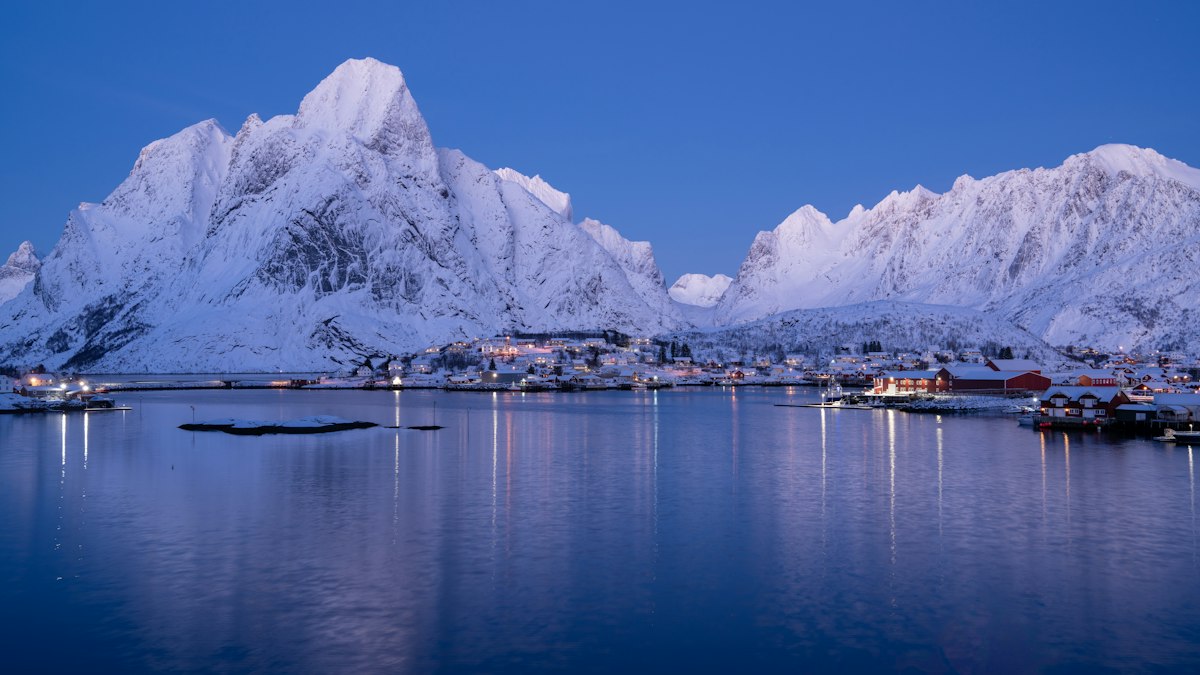
Two or three times in any seven-day Patagonia ski trip, the wind will win. The lifts at Cerro Catedral will spin down by 10 a.m. The flag at the base will be horizontal. And you will look at your group and think, what now? After a decade of running ski trips in Bariloche, our team has refined the answer. A wind day is not a lost day. It is a different day. Here is how to use it.
Why the lifts close: the mechanics of a Patagonia wind day
Cerro Catedral's upper chairs and gondolas have hard wind limits, typically around 60 to 70 km/h sustained at the lift line. The summit ridge can see gusts twice that on a stormy front. Once the ski patrol calls it, the upper terrain shuts and only the lower beginner chairs run, if any. The Catedral wind alarm is real: when it goes, it is not a suggestion. We have written about Patagonian wind and how it affects skiing in detail; this post is about what you actually do once the lifts stop.
Two things are worth knowing. First, the wind is almost always westerly off the Andes -- which means Bariloche town, on the eastern lake shore, can be fully sheltered while the mountain is closed. Second, the worst wind days come in tight 24-to-36-hour windows. By the next morning, things are usually back to normal. Plan accordingly.
Read the warning signs the night before
You can usually see a wind day coming. Our guides watch three signals:
- A drop in the barometric pressure overnight, visible on any phone weather app.
- The Meteoblue and Windy.com forecasts converging on a Catedral summit gust above 90 km/h.
- A specific cloud pattern over the Cerro Otto ridge -- long, lens-shaped clouds called lenticulars. If you see them stacking up over the mountains east of Bariloche, the front is real.
If you spot all three the night before, stage your gear for an off-mountain day. Save your ski boots for tomorrow.
Indoor activities in Bariloche town
Bariloche's town center is sheltered by the lake on one side and Cerro Otto on the other, so wind days in town are often manageable even when the mountain is unskiable. The default options:
The chocolate route on Calle Mitre is the obvious move and is genuinely good. We have a full breakdown in Bariloche, the chocolate capital. On a wind day, hit Mamuschka, Rapanui, and Del Turista in a single morning. Three shops, three coffees, three samples. You will leave with bags of bonbones and a plan for dinner.
Cuisine is the second move. Most of our visitors do not realize that Bariloche has a serious food scene that does not require great weather to enjoy. Long lunches at Alto El Fuego (parrilla), Cassis (lakefront), or Butterfly (degustation) are the right kind of activity for a 4-hour wind window. See what to eat and drink after skiing in Bariloche for the short list.
The Patagonian Museum (Museo de la Patagonia) at Centro Civico is also underrated. It is not big -- you will spend 90 minutes there at most -- but the indigenous history section is genuinely interesting and free.
Outdoor things you can still do when the wind is up
A wind day in Bariloche does not mean a windless day at lake level. But the lakeshore, the lower Llao Llao peninsula, and the Colonia Suiza side are usually 30 to 50 percent calmer than the mountain ridge. If you must move:
A walk on Playa Bonita with a coffee in hand is a 90-minute outing in winter sun. The sun on the eastern shore in July often feels warmer than the air temperature suggests because the wind is offshore.
The Llao Llao loop -- a short, well-marked trail starting near the famous hotel of the same name -- is doable in winter as long as the trails have not iced over. The trail is sheltered by old-growth coihue forest for most of its length.
Shorter hot-springs trips are possible too. Termas de Cacheuta are a 90-minute drive, but if your group is up for the road, you will end up in a windless valley with hot pools.
Day-trip options when the wind is local to Catedral
This is the move our guides use most often. When the wind is concentrated on Cerro Catedral specifically, other resorts in the region may still be running. Cerro Bayo, in Villa La Angostura, sits about 80 km north and is sheltered by a different ridge orientation. Half the time, when Catedral is closed, Bayo is open. We covered this option in our Cerro Bayo guide.
For groups that want the option, we keep a flexible same-day transfer arrangement. If you build that into your week from day one, a Catedral wind day becomes a Bayo bonus day.
The chocolate route, the long way
If you are committing to a wind day in town, do the chocolate route the way locals would: walk Calle Mitre from west to east, stop at three small shops we send people to (Mamuschka and Rapanui are obvious; ask about the smaller artisan shops behind the cathedral), get a coffee and a half-kilo box of mixed chocolates at Cassis, and finish with a long late lunch. That is a five-hour day that costs less than a lift ticket and feels like a holiday.
Recover, rest, and come back stronger
The under-rated option: do nothing. Many of our most experienced clients use a Patagonia wind day as their forced recovery day. Sleep in. Eat a long breakfast. Get a massage. Read in the lobby with a glass of Malbec. We have written about yoga and recovery during a Patagonia ski trip -- a wind day is exactly when those tools earn their keep.
The next day on the mountain, after a wind front clears, is often the best ski day of the week. The atmosphere is washed out. The snow is redistributed. The light is sharp. If you have rested instead of forced an off-day, you will ski it harder.
How to plan around wind days from day one
The single biggest difference between guests who handle wind days well and guests who do not is whether their itinerary was built with flexibility from the beginning. A six-day trip with six fixed ski days and zero off-day plans is a trip that will lose two days to weather and feel short. A seven-day trip with five planned ski days and two flex days will feel longer, less stressful, and more authentic.
This is the conversation we have at the start of every trip. If you want a custom itinerary built around your group's tolerance for the inevitable wind day, our custom experiences team can structure it. Or just tell us about your trip and your group when you start with Plan My Trip, and we will design around the weather instead of fighting it.