The Chocolate Capital of South America: Bariloche Beyond the Slopes
Bariloche is home to over 50 artisan chocolate shops. Here is why this Patagonian ski town is also South America's sweetest destination.
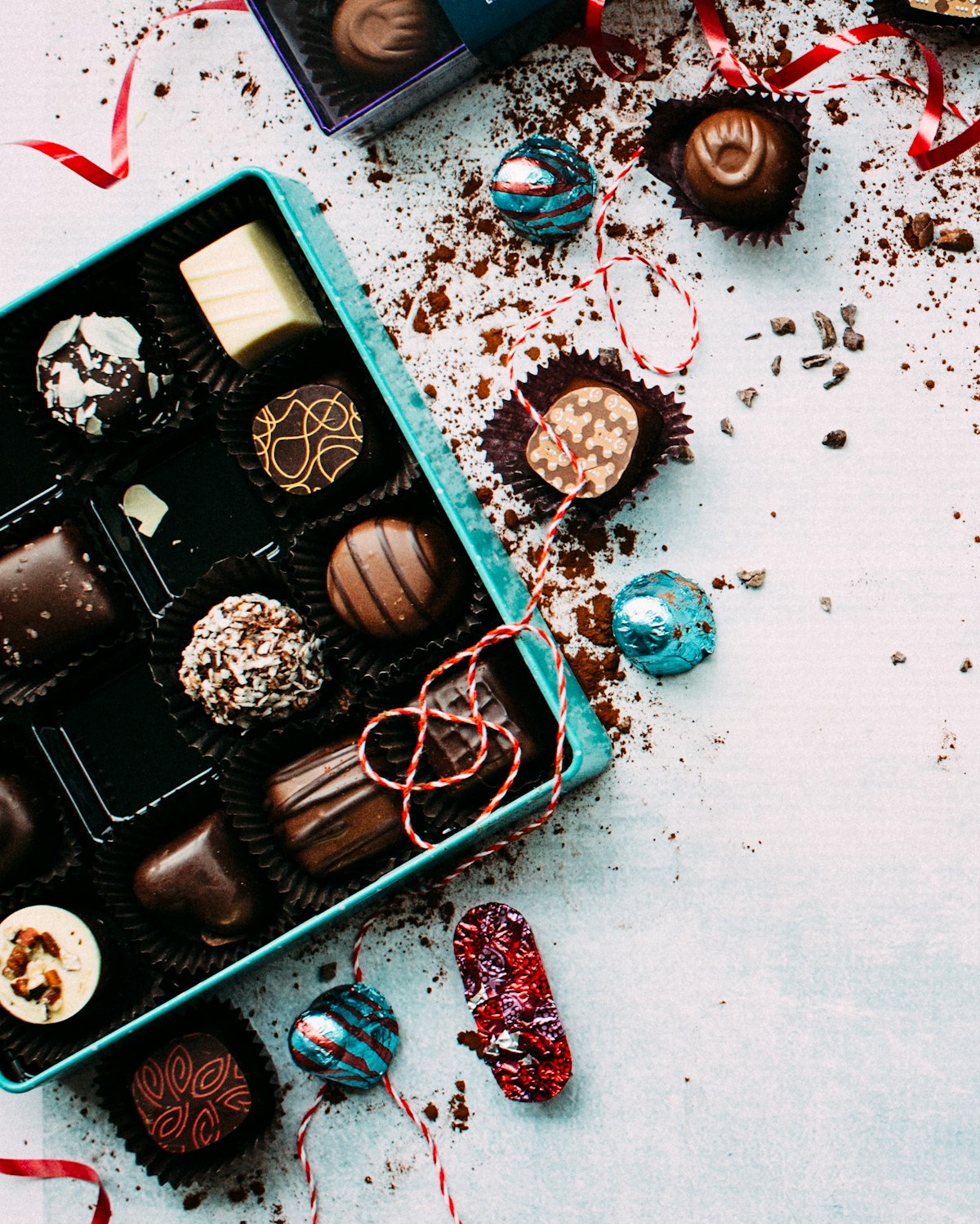
Bariloche is famous for two things: skiing and chocolate. The town is home to more than 50 artisan chocolate shops, earning it the unofficial title of the Chocolate Capital of South America. For visiting skiers, this means your apres-ski options go far beyond the usual beer-and-burger routine. Here's everything you need to know about Bariloche's chocolate scene and why it's worth a day off the slopes.
Why Bariloche Became a Chocolate Town
Bariloche's chocolate tradition dates to the early twentieth century, when Swiss, German, and Italian immigrants settled in the region and brought their confectionery skills with them. The town's alpine setting, European architecture, and cold winters created the perfect environment for chocolate making. The first chocolateria opened in the 1940s, and the industry has grown steadily ever since. Today, Calle Mitre -- Bariloche's main street -- is lined with chocolate shops on both sides, filling the air with the smell of melting cocoa on winter afternoons.
The Best Chocolate Shops to Visit
Every visitor will have their own favourite, but a few names stand out. Mamuschka is arguably the most famous, known for its creative flavours and beautifully packaged gift boxes. Rapa Nui is the largest chain, with locations throughout the city and a factory tour that's popular with families. For a more boutique experience, try Chocolates del Turista (one of the originals), Benroth (German-style), or Abuelas Goye (known for artisan ice cream made with their own chocolate). Most shops offer free tastings, so you can sample before buying.
Chocolate and Skiing -- The Daily Ritual
For skiers, chocolate is woven into the daily routine. A cup of thick hot chocolate (submarino -- a bar of chocolate melted in steamed milk) is the standard morning warm-up before heading to Cerro Catedral. After skiing, many visitors walk Calle Mitre, ducking into shops for tastings and picking up boxes to bring home. The combination of cold mountain air and warm chocolate is one of those simple pleasures that makes a Bariloche ski trip different from anywhere else.
The Fiesta del Chocolate
Bariloche hosts an annual chocolate festival during Easter week, but for ski season visitors (June through September), the chocolate scene is just as vibrant. Many shops run winter specials, and the slower tourism season means shorter lines and more personal attention from chocolatiers. Some shops offer hands-on workshops where you can make your own truffles or bonbons -- a great activity for a wind day when the lifts are on hold.
Beyond Chocolate -- Bariloche's Food Scene
Chocolate is the headline act, but Bariloche's food scene extends well beyond sweets. The town is known for smoked meats and cheeses (visit Colonia Suiza for a traditional curanto feast), fresh lake trout, wild boar, and craft beer. The combination of Argentine, Swiss, and German culinary traditions creates something truly unique. For a complete guide to eating and drinking after skiing, check out our dedicated post.
What to Buy and Bring Home
Argentine chocolate is excellent value. A beautifully packaged box of artisan truffles costs USD 10-25, depending on size and brand. Most shops will pack your purchases for international travel, and some offer vacuum-sealed options for checked luggage. Popular choices include alfajores (chocolate-coated dulce de leche sandwich cookies), chocolate-covered nuts, and single-origin bars. Buy more than you think you need -- these make perfect gifts and you'll wish you had extras once you're home.
Plan Your Bariloche Chocolate Trail
We build chocolate shop visits and food experiences into many of our group and family ski trip itineraries. Whether you want a structured chocolate walking tour or just a list of our favourite spots, we'll make sure you don't miss the sweet side of Bariloche. Start planning your trip.