Yoga and Recovery During a Patagonia Ski Trip: How to Ski Stronger on Day Six
Skiing six days in a row at altitude wrecks most travellers by midweek. Here's how our guests stay strong through a Patagonia ski week, with practical recovery routines, where to find yoga in Bariloche, and what to do on rest days.
Most international skiers arrive in Patagonia ready to ski hard for a week. By day three, the legs feel heavy. By day five, the lower back is barking and sleep is broken. By the time the trip is over, half the holiday was spent skiing tired. The fix is not more effort -- it's smarter recovery. After running ski weeks in Bariloche and San Martin de los Andes for years, we've seen the same pattern: the guests who skip recovery hit a wall midweek, and the guests who treat it as part of the trip ski the best on their final day. Here's what actually works.
Why a Patagonia Ski Trip Is Harder on Your Body Than You Think
A week at Cerro Catedral is more demanding than the equivalent week in the Alps for three reasons: the resort sits between 1,030m and 2,180m, so you're skiing at moderate altitude with reduced oxygen; the wind on exposed faces is genuinely fatiguing in ways that flat-light groomers in Europe are not; and most international visitors arrive jet-lagged from a 10-12 hour overnight flight and a domestic transfer. Add the dry mountain air and the late dinners (Argentine restaurants don't fill until 9-10pm) and most travellers are running a sleep deficit by day four. Recovery isn't optional in this context -- it's the variable that decides whether your last two ski days are your best or your worst.
What to Do the Evening You Arrive
The day you fly into Bariloche is a recovery day, even if you arrive in the morning. Drink twice the water you think you need -- altitude and dry air dehydrate fast, and a hydrated body sleeps better. Eat an early, light dinner if you can find one. Walk for 20-30 minutes around your accommodation in the late afternoon to reset your circadian rhythm with daylight. Avoid alcohol on day one despite the temptation -- a glass of Malbec on a tired body at altitude lands harder than it would at home. Stretch your hips, hamstrings, and chest for 10 minutes before bed. This is unglamorous advice and it's the difference between starting day two with fresh legs or already feeling stiff on the first chair.
A 15-Minute Daily Routine That Works for Skiers
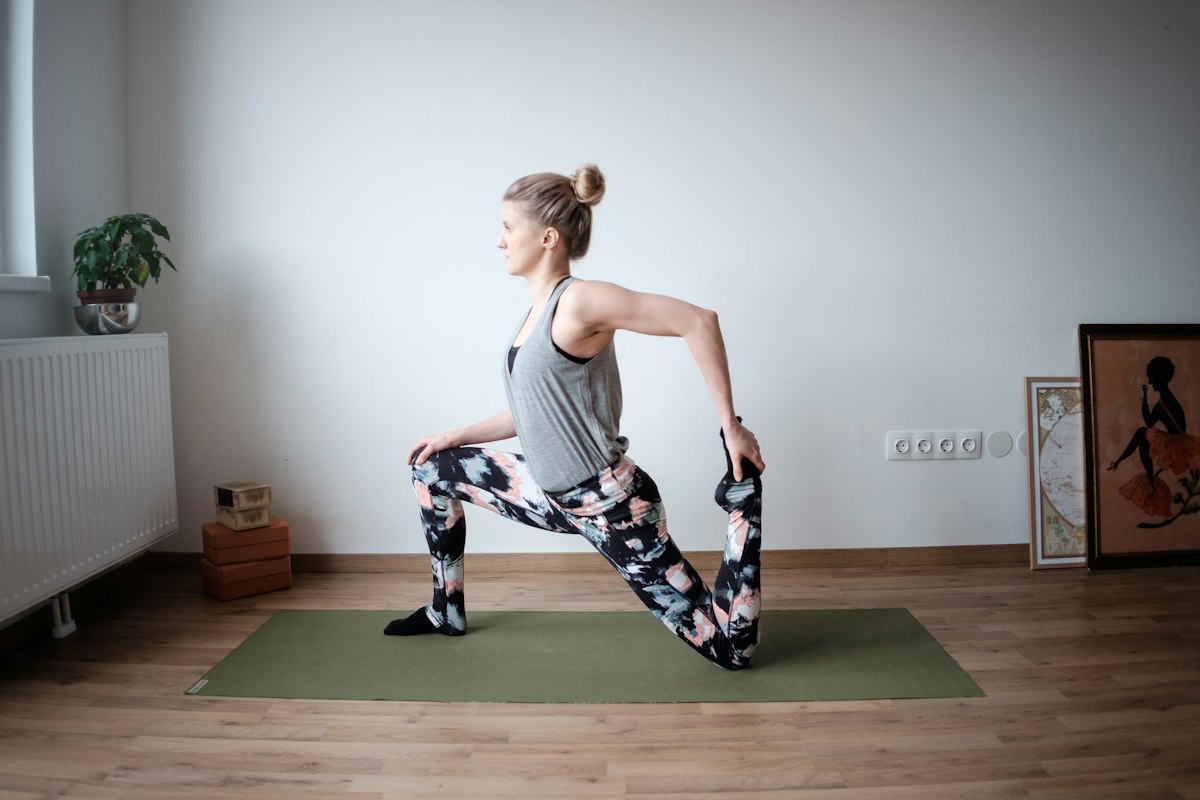
We recommend a short, consistent post-ski mobility routine to every guest, and the same five movements come up over and over because they target what skiing actually fatigues. Start with hip flexor lunges -- one minute per side -- to reverse all those hours in a flexed boot position. Move to a deep squat hold with your hands clasped at your chest, and stay there for 60-90 seconds breathing through your nose. Add pigeon pose for the glutes (90 seconds per side), a supine spinal twist for the lower back (60 seconds per side), and finish with legs up the wall for 3-5 minutes to drain the lower legs. That's 12-15 minutes total and it dramatically reduces next-day soreness. We've had guests who were skeptical end the trip saying it was the single most useful tip they got. You don't need a yoga background -- you just need to do it every evening.
Where to Find Yoga and Bodywork in Bariloche
Bariloche has a small but solid yoga scene that most ski-focused visitors never discover. Espacio Om, a few blocks from the lake in the centre, runs daily drop-in classes in Spanish but the instructors are generally English-friendly enough for cued movements -- expect to pay around USD 10-12 per class. Estudio Bienestar offers private sessions with English-speaking instructors and is convenient for travellers staying near Avenida Bustillo. For deeper recovery, Bariloche has several massage therapists trained in sports recovery -- a 60-minute session runs USD 45-65, less than half what you'd pay in a US ski town. We can arrange in-room massage at most of our partner lodges as part of a custom itinerary. Book the massage for the evening of your hardest ski day, not your last day -- you want to feel the benefit while you're still on the mountain.
Sleep, Nutrition, and the Argentine Dinner Problem
Argentine dinner culture is a hazard for skiers. Restaurants fill at 9pm or later, meals are heavy, and there's a strong incentive to drink wine with dinner. Three habits help: eat your largest meal at lunch when you're back at the lodge between 2-4pm, treat dinner as a smaller second meal, and put a 90-minute window between finishing dinner and going to sleep. Hydrate aggressively at altitude -- aim for 3 litres of water per day, more if you're drinking wine. Argentine grass-fed beef is excellent post-ski recovery food (high-quality protein, iron) and you can find it everywhere. Pair it with vegetables rather than only bread and pasta. The food is so good in Patagonia that it's tempting to make every dinner a feast -- pace yourself across the week and you'll ski better.
Rest Days Are Productive Days
A seven-day ski trip with a midweek rest day skis better than a seven-day ski trip with no rest. We've tested this hundreds of times with guests. The body needs at least one day off-mountain to repair, and Bariloche has plenty to do that doesn't involve skiing. The chocolate route along Mirador, a soak at the Cacique Bueno hot springs (45 minutes from town), a half-day on a Lake Nahuel Huapi boat, or a slow lunch at one of the lakefront parrillas all qualify as recovery. If skiing six straight days is non-negotiable, at least take one shorter day -- ski only the morning, then return to the lodge for a sauna, a stretch, and a long lunch. For more ideas on what makes Bariloche worth a non-skiing day, see our guide to eat and drink after skiing.
What to Bring From Home
A few small items make a big difference and don't weigh anything. Pack a tennis ball or lacrosse ball for self-massage on tight glutes and feet. Bring a basic resistance band for hip openers in your hotel room. A foam roller is bulky but worth packing in your ski bag if you have space -- most lodges don't have one. Magnesium glycinate before bed helps with cramping and sleep at altitude (check with your doctor). Electrolyte powder beats plain water for hydration on hard ski days. None of this is glamorous and all of it works.
Recovery Is the Difference Between an OK Trip and a Great One
We see the same skiers come back year after year, and the ones who treat recovery as a real part of the holiday get more out of every trip. They ski stronger on day six, they enjoy dinners more, and they don't go home wrecked. None of this requires expensive equipment or a yoga retreat -- just consistency. If you're planning a trip and want a thoughtfully paced itinerary that keeps you fresh through the whole week, talk to us about your dates and we'll build a schedule that respects your body as much as your wishlist of ski days.