What Ski Level Do You Need for Patagonia?
Patagonia is not just for expert skiers. Here is an honest breakdown of what level you need for each resort — and what to know before you go.
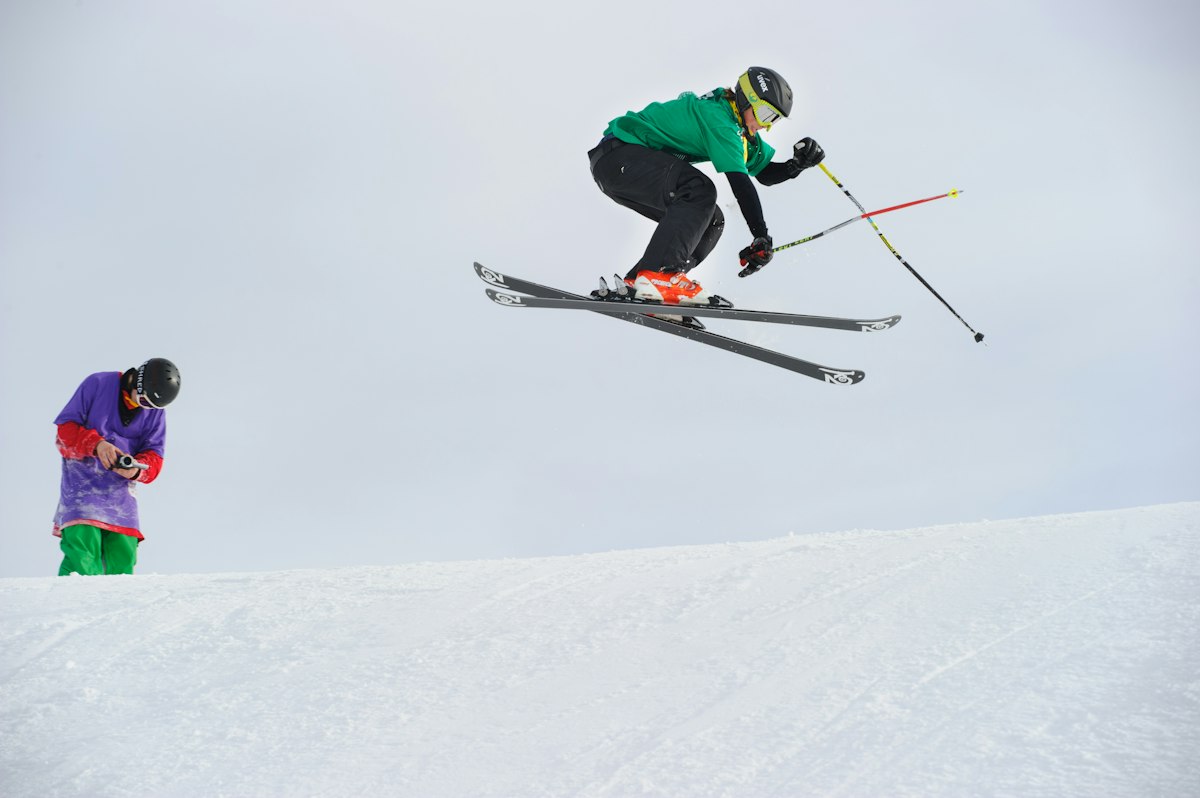
One of the most common questions in our inbox: "Am I good enough to ski Patagonia?" The short answer is: almost certainly yes. The longer answer depends on where you want to ski and what you want to do when you get there.
Patagonia Is Not an Expert Mountain
This surprises people. The photographs tend to show dramatic off-piste terrain — steep couloirs, open powder fields, the kind of skiing that looks as if it requires a serious resume. That terrain exists. But Cerro Catedral, the main resort near Bariloche, has runs across every level. A solid beginner or confident intermediate skier will find plenty to do and won't feel out of place.
The mountain's 1,200 hectares include long groomed cruisers, gentle blue runs above the mid-mountain base, and easy access to the resort's famous views. You do not need to be an expert to have a great week.
Level Requirements by Resort
Each Patagonian resort has a different character.
Cerro Catedral (Bariloche): The widest spread of any resort in the region. Beginners can work on the lower mountain and improve significantly over a week. Intermediates have near-endless cruising terrain. Advanced skiers have the runs above the ridge and genuine off-piste above that. Almost every level fits somewhere.
Cerro Chapelco (San Martin de los Andes): Slightly more forgiving than Catedral at the intermediate level. Good for first-time resort skiers in a less intimidating environment. Advanced options are there but limited compared to Catedral. Compare the two resorts here.
Las Lenas: This one does require real ability. Las Lenas has some of the most technical terrain in South America — long steeps, serious off-piste, altitude. Intermediates can enjoy it, but the mountain is at its best for advanced and expert skiers. Come here if you're ready, not as your first stop in Argentina.
Cerro Castor (Ushuaia): A good mountain for intermediates. Fewer extreme runs, consistent grooming, and a relaxed atmosphere. Particularly useful if you're combining skiing with a broader southern Patagonia trip.
La Hoya (Esquel): Quiet, accessible, and genuinely suited to beginners and families. Small by international standards, but one of the most relaxed ski environments in Argentina.
The Wind Factor
Skill on skis is only part of the picture. Patagonian wind is a physical challenge that does not care about your level. On gusty days, staying upright across a traverse takes effort regardless of ability, and some lifts close when gusts are strong. An advanced skier with a solid low stance and good balance will handle wind better than a technically equal skier who's only ever skied in calm conditions.
If you've only skied in groomed, windless environments, Patagonia will feel different. Wind days have their own character, and knowing what to do when the upper mountain is closed is part of planning a Patagonian ski trip properly.
Should You Take Lessons?
Argentine ski instructors are well-qualified and the resort ski schools at Catedral and Chapelco are professionally run. If you're a beginner or haven't skied in several years, building two half-day lessons into the first two days is a sensible use of time and money. The payoff across the rest of the week is real.
For intermediates wanting to improve, a private morning lesson to get feedback on technique before skiing independently is often the most efficient structure. The mountains here are large enough that good technique makes a meaningful difference to how much of them you can access.
Off-Piste Is a Separate Question
If your goal is off-piste skiing or backcountry terrain, the level question shifts. Off-piste in Patagonia is serious — variable snow conditions, wind-loaded slopes, significant altitude — and should not be attempted without a guide, regardless of your off-piste experience elsewhere. We build guided off-piste experiences around the terrain and conditions, not a fixed plan. That matters in a mountain range that changes quickly.
The Level That Works for Patagonia
Honestly: if you can link parallel turns on a blue run, you're ready for a good week at Catedral or Chapelco. If you can ski confidently on red runs, Catedral's mid-mountain terrain opens up properly. If you can comfortably handle blacks at home, Patagonia will give you a lot to work with.
The mountain does not require a qualification. It requires honest self-assessment, sensible terrain choice for the first day, and a willingness to ask for advice when you're unsure. If you'd like a frank read on which resort and itinerary fits your current level, our team is an easy first conversation.