Wind Day in Patagonia: What to Do When the Lifts Close
Patagonian wind closes lifts fast and without much warning. Knowing what to do next -- on the mountain and in town -- is what separates a ruined day from a good one.
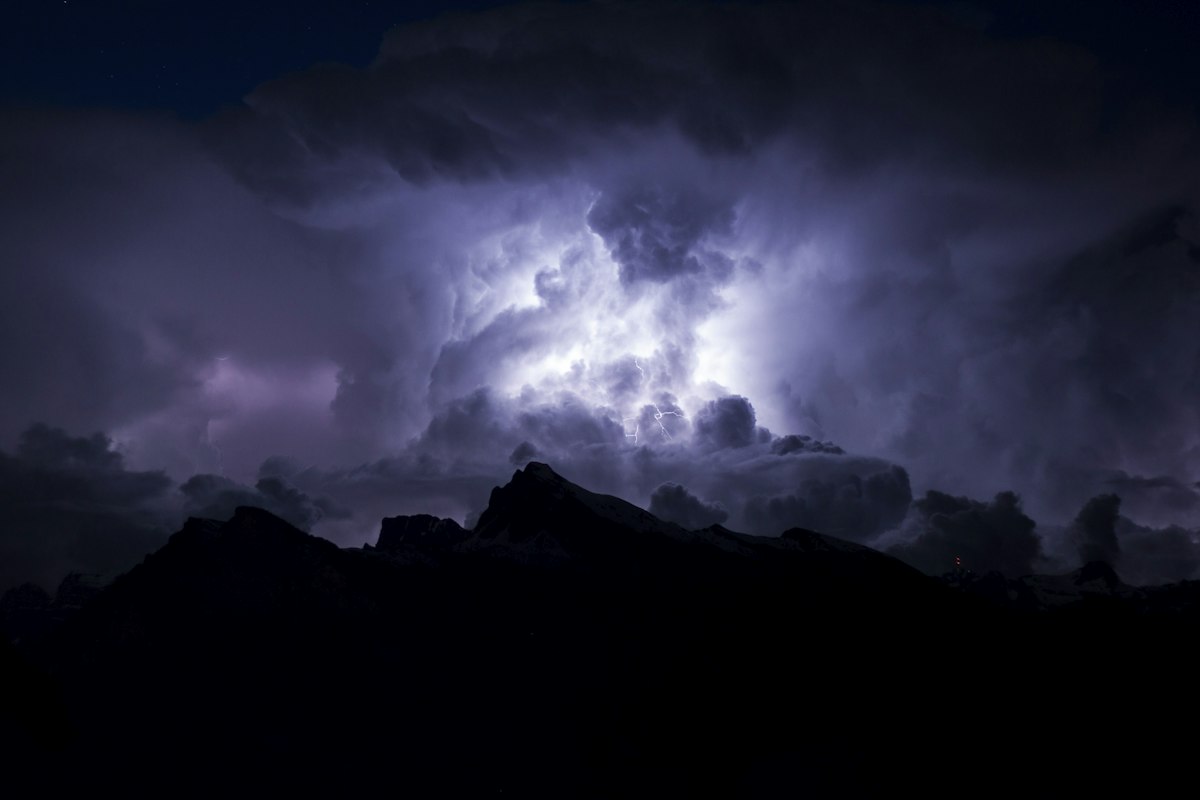
The wind at Cerro Catedral does not gradually build. One hour the upper mountain is open, the next hour the Lopez face is closed, and by noon the Cable Carril is running empty and the patrol is pulling signs out of the snow. If you have been to the Alps or the Rockies you have experienced wind days. In Patagonia they arrive faster, close more terrain, and happen more often -- roughly two or three times per week during peak July. The skiers who have a good wind day are the ones who know what to do when the signs come down.
Read the morning forecast before you leave the hotel
The single biggest thing you can do is check the wind forecast at the base station before you pay for a lift ticket. Catedral's resort team posts a daily conditions report and the Argentine weather service (SMN) publishes wind speed forecasts by altitude. Anything above 60 km/h at the summit is likely to close Punta Princesa. Above 80 km/h usually takes out the Lopez face too. If the forecast shows a 10 a.m. wind spike, plan to ski hard in the morning and be at the mid-station cantina before the lifts start closing. Do not buy a full-day ticket on a forecast like that -- the resort sells half-day tickets from noon, and you can buy a morning-only option at the base.
Our guides check three things every morning: the SMN forecast, the resort conditions board, and the flag at the top of the Cable Carril gondola tower. A yellow flag means caution on the upper mountain. A red flag means the upper chairs are already closed or will be within the hour. Trust the flag.
Mid-mountain skiing is often excellent on wind days
Here is the thing most visitors miss: when the upper mountain closes, the Nubes and Princesa zone below 2,000 metres usually stays open. That is still 600-plus metres of vertical and some of the best intermediate terrain at the resort. On a heavy wind day the upper powder gets redistributed down onto these slopes, which means conditions in the Nubes zone are often better after a wind event than before one. The locals know this and they do not go home -- they ski the middle of the mountain and have it largely to themselves while the day-trippers from Bariloche are heading back to the bus.
If you are skiing with us on a group or family programme and the upper mountain closes, your guide will already be reconfiguring the day around the mid-mountain terrain. This is not a consolation prize -- on the right day it is the best skiing you will have all week.
When the whole mountain closes: Bariloche as a day base
Full closures happen a few times per season. When they do, Bariloche has enough to fill a day without feeling like you are waiting for the weather to change.
The Circuito Chico -- a 60 km road loop around the lakes and forest south of town -- takes two to three hours by car and goes past some of the most photographed scenery in Argentine Patagonia. It is completely sheltered from the Andean wind. Rent a car at the base village the night before if you want this option available without scrambling.
The town itself has a handful of genuinely good museums. The Museo de la Patagonia in the Civic Centre is the best -- two floors covering the natural history and indigenous culture of the region, free entry, and almost nobody there on a ski day. The chocolate shops on Mitre street are the obvious tourist move but Bariloche's chocolate is legitimately good and the larger producers (Fenoglio, Rapa Nui) offer factory tours on weekdays. If you want a full read on what to do in town, our post on what to eat and drink after skiing in Bariloche covers the afternoon and evening programme.
Hot springs and spa days
Thirty minutes south of Bariloche, toward El Bolson, there are several private termas -- natural hot spring pools -- that sit in forest clearings with views of Nahuel Huapi lake. They do not require a booking most weekdays. The water runs between 38 and 42 degrees, the pools are uncrowded, and after three days of hard skiing your legs will tell you that this was the right call. Ask at your hotel for the current recommended option -- the quality varies year to year and the best ones change.
For in-town recovery, the spa at the Llao Llao hotel (30 minutes west of the centre, on its own peninsula on the lake) is the most impressive. The hotel itself is one of the great mountain lodges of South America -- even if you are not staying there, a lunch booking and spa afternoon is worth the cost on a day the mountain is closed. Book 48 hours ahead.
Snow day vs wind day: a quick distinction
Not every closure is a wind closure. Heavy overnight snowfall sometimes keeps the upper chairs closed until patrol finishes avalanche-control work -- usually by mid-morning. On a snow-closure morning, if you arrive at 9 a.m. and the signs are up, go have breakfast and come back at 11. The mountain will likely open with fresh snow waiting. Wind closures are different -- if the wind is forecast to last all day, it will. There is no point waiting at the base for a wind closure to lift. Go do something else and come back tomorrow.
If your trip is time-limited and you want to build in backup days and bad-weather alternatives into the itinerary from the start, that is exactly what our custom experience planning does. Reach out before your trip and we'll structure your days around the weather patterns so a wind day never means a wasted day.