Skiing With a Hangover in Bariloche: The Honest Recovery Guide
Bariloche's craft beer scene is world-class, and occasionally the night gets away from you. Here is the honest guide to surviving a ski day after one too many Patagonian pints.
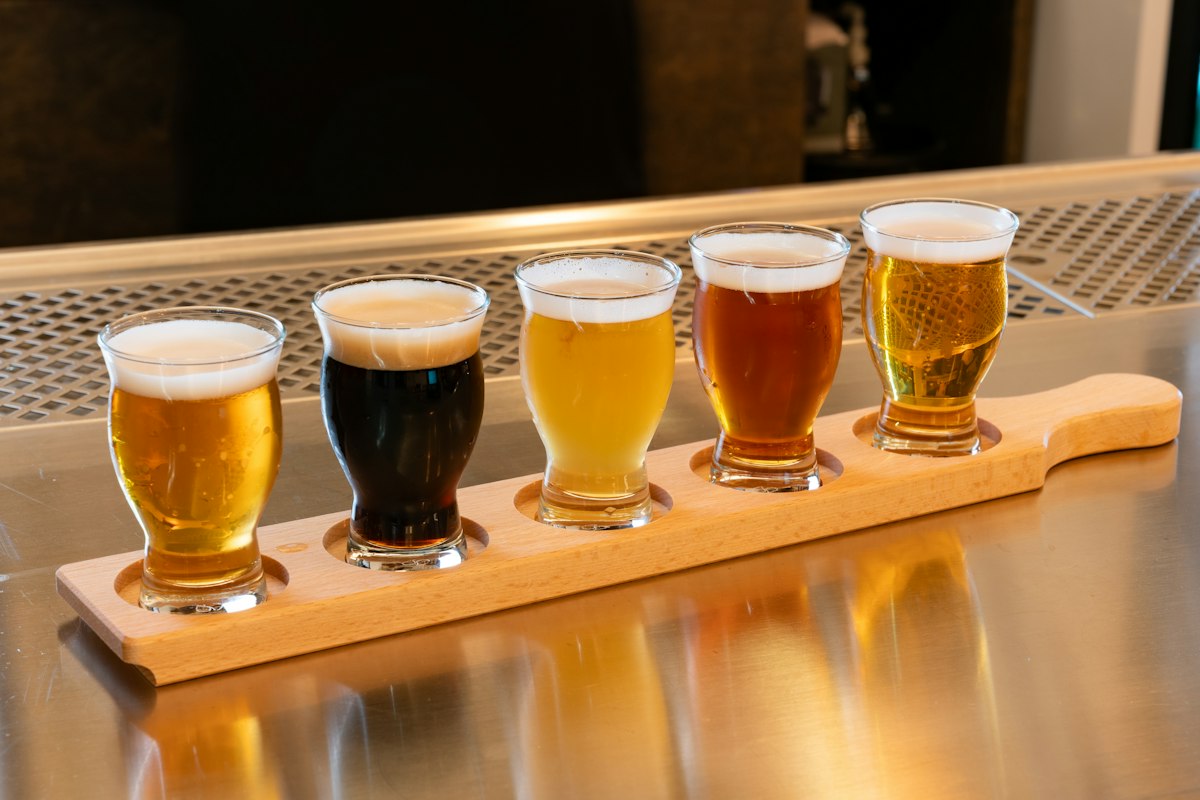
Bariloche has more than 80 craft breweries and one of South America's most developed apres-ski cultures, and occasionally the night gets away from you. If you wake up feeling last night's Patagonian pints and find yourself committed to a ski day, there is a realistic path through it -- starting with breakfast, not the gondola. Most hangover ski days are survivable, and some turn into unexpectedly good afternoons once the mountain air does its work.
Why does Bariloche make it so easy to over-do the night before skiing?
Bariloche is genuinely one of the hardest places in the world to stay moderate before a ski day. The city has more than 80 registered craft beer producers, and the cervecerias along Avenida Mitre stay open until 2am. Local Patagonian wine -- Malbec and Pinot Noir from the Rio Negro valley -- is excellent and inexpensive, with bottles starting around $8 USD at most restaurants. The altitude compounds everything: Cerro Catedral's base sits at 1,035 metres, and at elevation your body dehydrates faster and alcohol stays in your system longer than at sea level. You are not imagining it.
What should you eat and drink before heading to the mountain?
Rehydration before the gondola is non-negotiable. Aim for at least one litre of water before leaving your hotel. In Bariloche, a solid hangover breakfast is the Mercado Municipal on Avenida Colon -- open from 7:30am with medialunas (fresh croissants), strong coffee, and squeezed orange juice. Eggs on toast will stabilise blood sugar without overloading a fragile stomach. Electrolyte drinks are available at most Bariloche farmacias for around $2-4 USD -- worth buying the night before as insurance. Skip a second coffee if your heart is already racing.
How should you adjust your skiing on a rough morning?
Stick to easy terrain for the first 90 minutes. Cerro Catedral's Punta Nevada sector has wide, groomed intermediate runs that let you find your legs without navigating difficult terrain. The 1,200-hectare mountain has 120+ marked runs: there is no shortage of forgiving terrain. Avoid the Piedra del Condor and Lynch sectors until you feel fully functional -- these are the expert zones where bad technique gets punished quickly. Take the gondola slowly, drink water at each stop, and do not push into off-piste or mogul runs until the afternoon when your body has caught up.
When is it better to skip the mountain entirely?
If you are vomiting or genuinely dizzy, do not get on the gondola. At Catedral's 2,388-metre peak, dehydration plus exertion plus altitude is a real risk combination. The honest answer is that one in four bad mornings is actually a rest day in disguise -- and the mountain is open every day of the season. A half-day lift pass, available from around $45-55 USD, lets you start late after a slow morning without paying full price. Buying a half-day and seeing how you feel by noon is the pragmatic call. See our rain-day and rest-day guide for alternative plans if the mountain is not happening.
What are the best recovery options in Bariloche if you stay off the mountain?
Bariloche has excellent non-ski recovery options. The thermal baths at Banos Arcos on Avenida Bustillo cost around $60-80 USD per person and include sauna, pools, and outdoor hot tubs overlooking Lago Nahuel Huapi -- genuinely restorative. The town's famous chocolate route is a gentle walking circuit through the artisanal chocolate shops that produce around 60% of Argentina's premium chocolate output. A 2-hour catamaran trip on Lago Nahuel Huapi runs from the main pier for around $30 USD and requires zero physical effort. For the full apres-ski food-and-drink picture on better days, see our guide to eating and drinking in Bariloche.
Frequently Asked Questions
Is skiing with a hangover genuinely dangerous?
On easy groomed terrain in good conditions, the risk is manageable if you are hydrated and alert. The real danger is on expert runs, off-piste, or in bad weather, where impaired reaction time and balance matter enormously. If you have any doubt, start on beginner slopes and assess honestly after 45 minutes before committing to harder terrain.
Does Bariloche's altitude make hangovers worse?
Yes, noticeably. Cerro Catedral's peak reaches 2,388 metres, and even the base at 1,035 metres is enough to accelerate dehydration and slow alcohol processing. International visitors from sea level typically feel the altitude effect more strongly in the first 2-3 days of a trip than locals do.
Can I buy a half-day lift pass at Cerro Catedral?
Yes -- half-day and afternoon passes are available at the Catedral ticket windows at roughly 50-60% of the full-day price. In the 2025 season, half-day passes ran $45-55 USD depending on the week. Starting late is a completely normal choice and well-catered for at the resort.
What should I drink in Bariloche if I know I am skiing the next day?
Local lagers -- Patagonia Lager, Schneider -- are lower in alcohol than the craft IPAs and Imperial stouts the cervecerias are known for. Matching every drink with a glass of water is the most reliable strategy across a long evening. And Bariloche's cervecerias will try to tempt you with one more: plan your exit.
*This guide was written by the Ski Patagonia Co. team, based on more than a decade of guiding at Cerro Catedral and a hard-won familiarity with Bariloche's craft beer scene.*
Ready to plan a trip that leaves room for both skiing and Bariloche's nightlife? Talk to our team at Plan My Trip.