Bariloche Chocolate: Why the Town Takes It Seriously (And You Should Too)
Bariloche produces some of the finest artisan chocolate in South America. The reasons are historical, the results are excellent, and the tasting process is a legitimate afternoon activity after a day on the mountain.
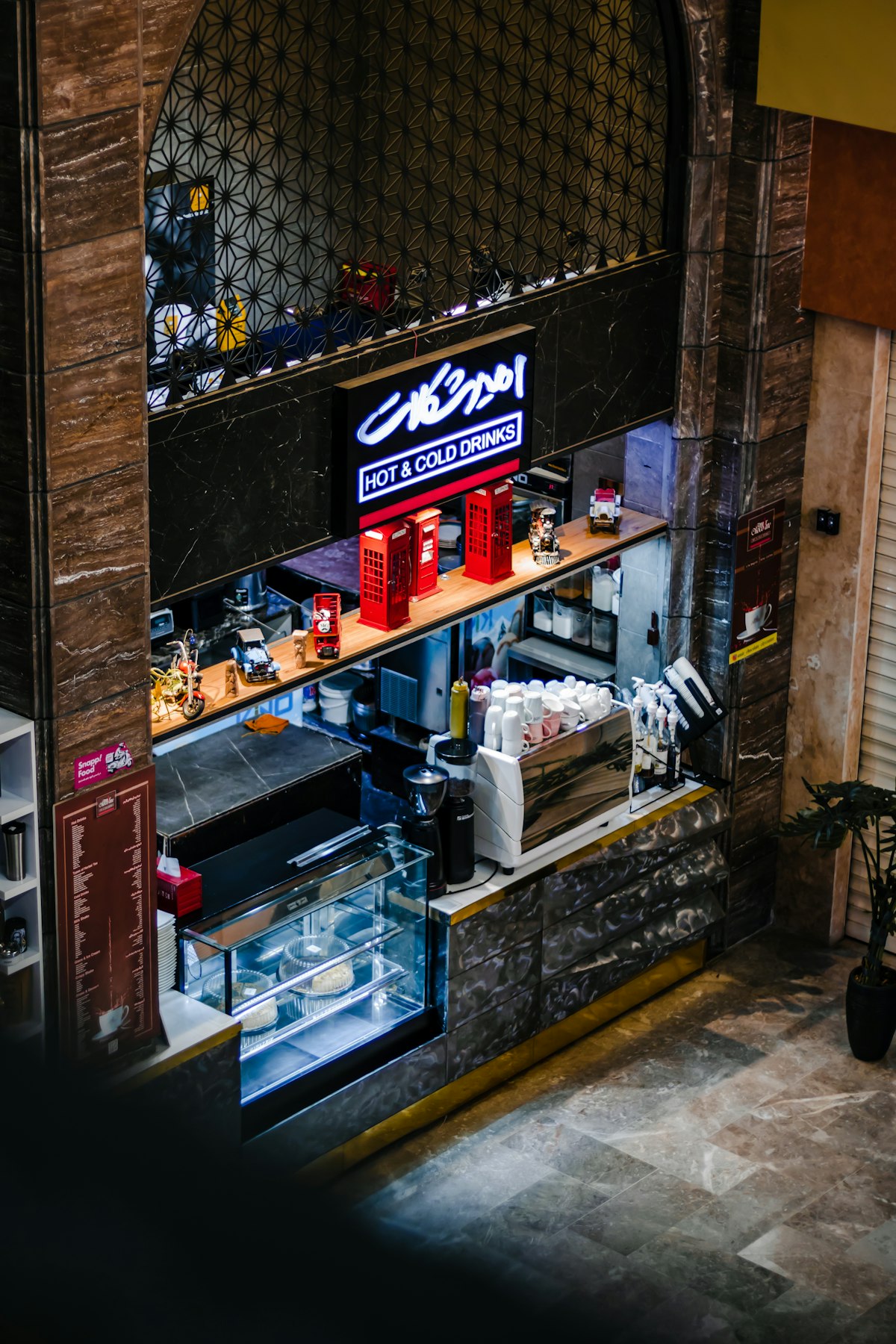
The chocolate shops on Calle Mitre are not a tourist gimmick. The craftsmanship in the best ones is serious, the ingredients are carefully sourced, and the regional tradition behind them runs back more than a century to European settlers who brought their confectionery techniques to the Argentine Lake District and found that the climate, the milk, and the local ingredients suited the work.
After a morning on the mountain, an afternoon walking the chocolate trail in Bariloche is exactly the right pace. Here is what you need to know.
Why Bariloche and chocolate
The Swiss, German, and Austrian immigrants who settled the Patagonian Lake District in the late nineteenth and early twentieth centuries brought a confectionery tradition with them. The cold climate suited chocolate production. The local milk -- from cattle grazing in the Andean foothills -- gave Argentine chocolate a fat content and creaminess that worked well with European techniques. The combination took hold and the town gradually became associated with artisan chocolate in a way that no other Argentine city has matched.
Today Bariloche has more chocolate shops per block than anywhere else in South America. The quality varies -- some cater primarily to tour groups and sell product that would not embarrass a European airport; others run genuine artisan operations with house-made ganaches, single-origin cacao, and seasonal collections that change through the year.
The best chocolate shops (and what to try)
Mamushka on Calle Mitre is the most famous and remains worth visiting. The window display alone -- multiple metres of stacked chocolate blocks, seasonal figures, and elaborate confections -- is architectural. The sambayon-filled bonbons are excellent. The chocolate fondue for two, available at the attached cafe, is one of the better experiences in town if you have the time.
Abuela Goye, a few blocks along, is older and quieter. Their milk chocolate tablets made with Patagonian hazelnuts are the item most likely to create a problem with your luggage allowance on the way home -- you will want to buy more than you can reasonably carry.
Jorge Morena is the name serious chocolate travellers mention. It is a smaller operation, not always easy to find open, but the technique is sophisticated enough that the shop has received attention from food journalists outside Argentina. If you see it open, go in.
The municipal chocolate museum at the east end of Mitre is free and informative if you want the history before the tasting. It is also a useful ten-minute shelter if the Bariloche wind picks up.
The chocolate and beer combination
This is peculiar to Bariloche and worth knowing about. The craft beer scene in the town -- covered in more detail in our guide to Bariloche's cervecerias -- includes several breweries that produce stouts and dark ales specifically designed to pair with local chocolate. The combination of a slightly bitter craft stout and a piece of dark chocolate with Patagonian sea salt is not obvious but it works.
Cerveza Blest, one of the oldest craft breweries in Argentina, does an oatmeal stout that the bar staff will tell you to pair with the 70% dark chocolate from the shop two doors down. They are correct.
Chocolate on the mountain
Cerro Catedral has chocolate at altitude. The small provisioners near the Punta Nevada mid-station sell locally made chocolate bars designed for ski pockets -- sized to fit without breaking, wrapped to handle the cold, and priced at about double what you would pay in town. They are still worth buying because chocolate at 2,200 metres after a hard morning of skiing tastes different from chocolate anywhere else.
The mountain cafe at the upper station makes a hot chocolate in winter using proper melted chocolate rather than powder. It costs more than the drip coffee. It is worth it.
Buying to take home
Most of the serious chocolate shops in Bariloche offer vacuum-sealed packaging and insulated bags for transport. In July, the cold is your ally -- chocolate travels well from Bariloche to Buenos Aires or even further if the journey is not too long. The shops near Mitre and the Centro Civico area are accustomed to travellers asking about international transport and can advise on packaging.
The items worth buying in quantity: hazelnut tablets, alfajores (the Patagonian version, not the Buenos Aires factory version -- there is a material difference), and the filled bonbon boxes from the better shops. Avoid the large novelty figures near the tourist centre -- they are made from lower-grade couverture and are primarily decorative.
Chocolate as a rest-day activity
Not every day on a Patagonian ski trip needs to involve skiing. When the wind closes the upper mountain, or when a body needs a day of recovery, the chocolate trail in central Bariloche is a legitimate full afternoon. You can cover the main shops on foot in about two hours at a tasting pace, with stops for coffee and time to look at the lake.
For a structured rest-day itinerary -- chocolate, the lakefront, the Catedral de Bariloche, and evening options -- ask us when you are planning your trip. We know which days tend to have the most reliable weather for mountain skiing versus which days are better spent in town, and the chocolate shops are always part of the conversation.
For more on what to do in Bariloche beyond the mountain, our eat and drink guide covers the full apres-ski landscape, and the family skiing guide includes notes on chocolate shops that work well with children.