Guided vs Self-Guided Ski Trips in Patagonia
Should you book a guided ski trip to Patagonia or go it alone? We break down the costs, logistics, and pros and cons of each approach to help you decide.
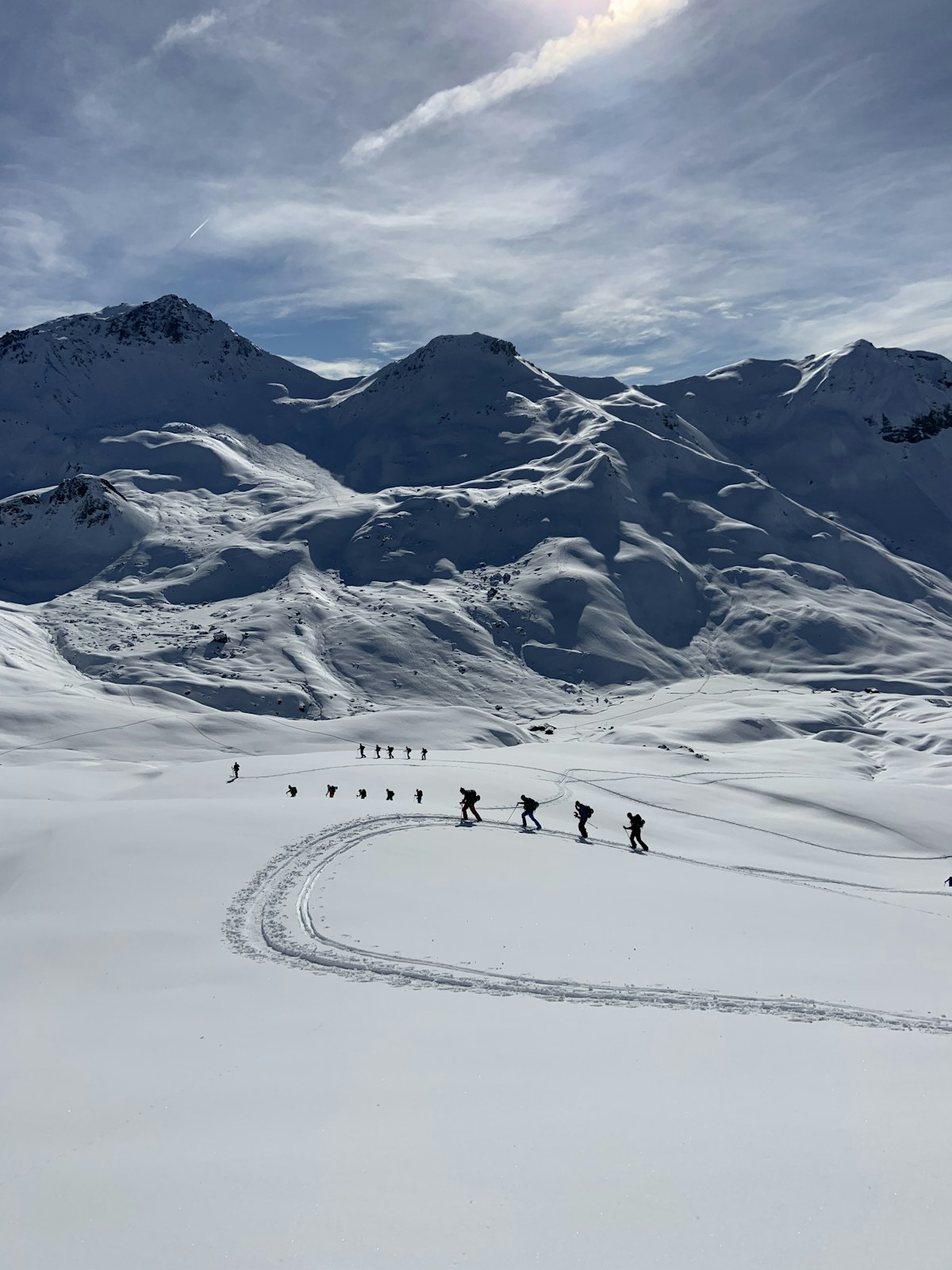
One of the first decisions you'll make when planning a ski trip to Patagonia is whether to go guided or self-guided. Both approaches work, but they suit different types of travelers, budgets, and comfort levels. We run guided trips across Patagonia every season and also help independent skiers plan their own itineraries, so we've seen what works and what doesn't from both sides.
What Does a Guided Ski Trip Actually Include?
A guided ski trip to Patagonia typically includes airport transfers, accommodation, lift passes, daily guiding on the mountain, and often meals or at least breakfast and dinner. Some packages also cover equipment rental, backcountry excursions, and transportation between resorts. Prices range from $2,500 to $5,000+ USD per person for a week, depending on the level of accommodation and how many resorts you visit. Our custom trip packages let you mix and match based on your priorities. The key advantage is that someone else handles every detail, from the hotel booking to knowing which lift to take on a windy day.
What Does Going Self-Guided Look Like?
A self-guided trip means you book your own flights, accommodation, lift passes, and ground transport. You ski the mountain on your own or with friends, following trail maps and resort signage. In Patagonia, this is entirely doable at the major resorts like Cerro Catedral and Chapelco, which have well-marked runs, English-speaking staff at ticket windows, and rental shops at the base. A self-guided week might cost $1,200-2,500 USD per person including flights from Buenos Aires, mid-range accommodation, lift passes, and meals. The savings are real, but you'll spend more time on logistics.
When Should You Go Guided?
We recommend guided trips in several scenarios. First, if it's your first time skiing in South America. The language barrier, currency quirks, and unfamiliar resort systems are manageable but can eat into your ski time if you're figuring everything out on the fly. Second, if you want to ski off-piste or backcountry terrain. Patagonia's backcountry is spectacular but requires local knowledge of avalanche conditions, access routes, and weather patterns that change fast. Our guides know these mountains inside out. Third, if you're traveling with a group of mixed abilities. A guide can split time between ability levels, keep everyone safe, and make sure nobody spends the day lost on the wrong side of the mountain. Check our group experiences for how we handle this.
When Is Self-Guided the Better Choice?
Self-guided trips make sense if you're an experienced traveler comfortable with some Spanish, if you're sticking to a single well-established resort like Catedral or Chapelco, or if you're on a tight budget. They also work well for strong intermediate to advanced skiers who are happy on groomed runs and don't need backcountry access. If you've skied in Europe or Japan independently, you'll manage fine in Patagonia. The resorts are smaller and simpler to navigate than most Alpine mega-resorts. Just be prepared for Patagonian wind disrupting your plans and having a backup activity in mind.
The Hybrid Approach: Best of Both Worlds
Many of our guests choose a middle path that we think works best for most skiers. They arrange their own flights and accommodation but book a local guide for two or three days of their trip. This gives you the freedom and cost savings of independence while getting insider access to the best terrain on your guided days. A single day of private guiding in Patagonia costs $200-350 USD and typically includes off-piste access, secret stashes, and tips that improve every day you ski after. For heli-skiing or serious backcountry, professional guiding isn't optional, it's essential.
Logistics That Trip Up Self-Guided Travelers
A few things catch independent travelers off guard. First, getting between resorts requires a rental car or pre-arranged transfers. Public transport between ski towns is limited and unreliable during winter. Check our Buenos Aires to Bariloche guide for the best route options. Second, accommodation near ski resorts books up fast during peak weeks in July. Book at least two months ahead if you're going in July or August. Third, lift pass systems vary by resort, some offer multi-day discounts, others don't. A guide or local operator will know the cheapest way to buy passes. Fourth, Argentine pesos and currency exchange can be confusing. Ask your accommodation about current exchange rates and whether they accept USD.
How to Decide: A Quick Framework
Go guided if you value convenience over cost, want backcountry or off-piste access, are traveling with family or a mixed-ability group, or are visiting Patagonia for the first time. Go self-guided if you're budget-conscious, speak some Spanish, are comfortable navigating foreign countries independently, and plan to stick to resort skiing. Go hybrid if you want the best value: independence most days with a guide on two or three key days for the best terrain and local knowledge.
Ready to Plan Your Trip?
Whether you choose guided, self-guided, or a mix of both, Patagonia delivers world-class skiing at a fraction of the cost of the Alps or Rockies. We've helped hundreds of skiers find the right approach for their trip, and we're happy to talk through your options. Start planning your Patagonia ski trip today.