What to Do If You Get Injured Skiing in Argentina: Patrol, Clinics and Hospitals
If you are injured skiing in Argentina, here is how ski patrol, clinics and hospitals work, what care costs and what to carry on the mountain.
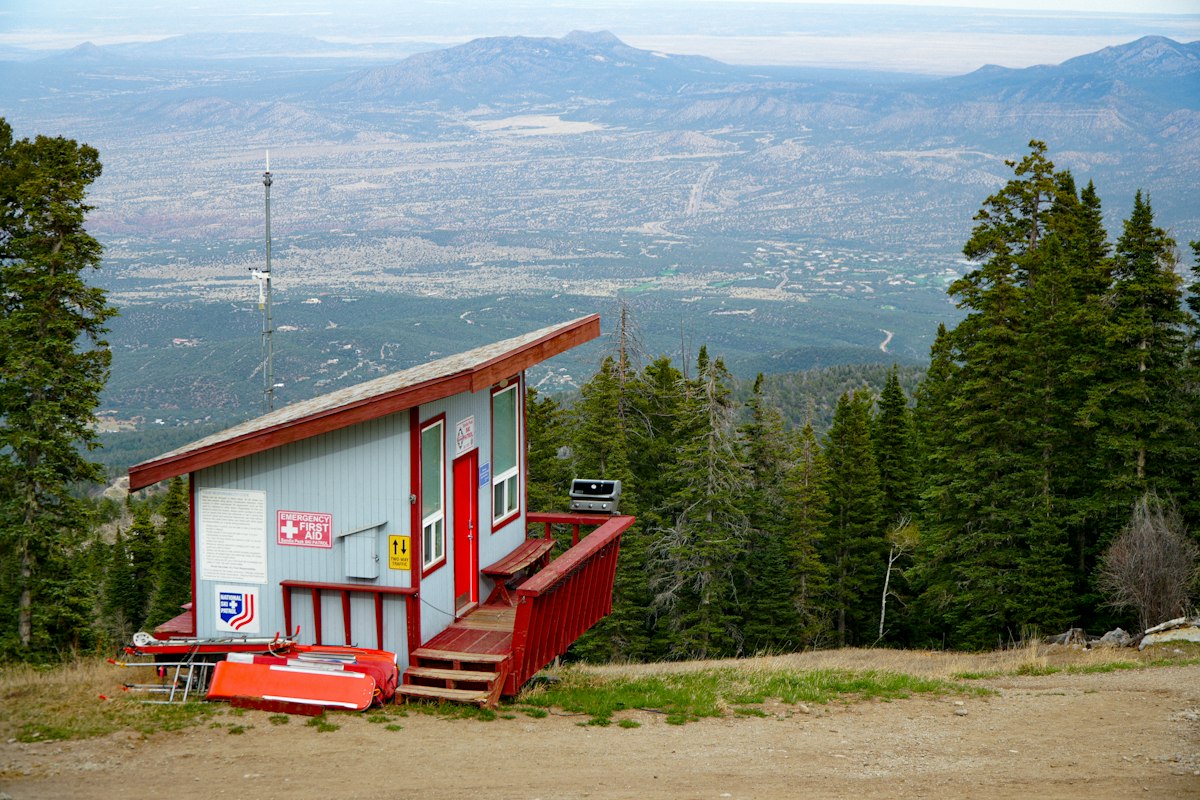
If you are injured skiing in Argentina, ski patrol will stabilise you on the mountain, and you will normally be taken by ambulance or private transport to a clinic or hospital in the nearest town, such as Bariloche. Public emergency care is available, but most international skiers use private clinics and rely on travel insurance to cover costs. Know the process before you go, and carry your insurance details with you on the hill.
Quick Answer: Getting medical help while skiing in Argentina
- On the mountain: Ski patrol (the "pisteros") gives first aid and arranges transport.
- Emergency number: 107 for an ambulance in most of Argentina, or 911 in some provinces.
- Nearest major hospital for Catedral: Bariloche, roughly 20 km from the base.
- Payment: Private clinics usually require payment or a guarantee from your insurer.
- Must carry: Passport copy, insurance policy number and the insurer's 24-hour phone line.
What happens if you get hurt on the mountain?
Ski patrol reaches you first, assesses the injury and moves you off the slope, usually by sled, to a base medical post. Patrol teams at Cerro Catedral and other main resorts are trained in first aid, and the base post can handle sprains, cuts and initial splinting. Serious injuries are transferred to a clinic.
Tell patrol your insurer's name early and keep your phone and passport on you. For more about the people who work this job, see our post on what the ski patrol does and what our guides wish you knew.
Where do you go for treatment after a ski injury in Bariloche?
Most skiers are taken to a private clinic in Bariloche, which has several with X-ray and orthopaedic services, plus a public hospital. The private clinics are the usual first choice for visitors because waits are shorter and English is more common.
Ask your hotel, your guide or your insurer's assistance line which clinic they recommend on the day, as availability changes. A common sequence is:
- Patrol stabilises you and calls transport.
- The clinic examines you and takes X-rays if needed.
- You or your insurer's assistance line confirms payment.
- A specialist advises on treatment, casting or surgery.
- Your insurer advises on repatriation or follow-up.
How much does medical care cost for foreign skiers?
Costs vary widely, but a simple clinic visit with X-rays is typically a few hundred US dollars, while surgery or air evacuation can reach many thousands. Treat those as rough guides, since prices change with the exchange rate and clinic.
- A clinic consultation plus X-ray: roughly $150-$400 USD.
- A cast or splint for a fracture: add a few hundred USD.
- Surgery and a hospital stay: often $5,000-$20,000 USD or more.
- Medical repatriation: can exceed $30,000 USD.
Our ski insurance guide explains what cover you need, and why we insist on it.
Do you need to pay up front?
Often yes, at least a deposit or guarantee, unless your insurer confirms payment directly. Private clinics commonly ask for card payment or proof of cover before treatment beyond emergency care. Keep the receipts, because your insurer will want them.
Call your insurer's 24-hour line as soon as you are stable. Many insurers will contact the clinic directly and settle the guarantee, which saves you from carrying large sums. Our money and cash guide explains which cards work best.
What should you carry on the mountain?
Carry a small kit of documents and basics in an inner pocket. Phones lose battery in the cold, so a paper card is useful.
- A card with your name, blood type, allergies and medications.
- Your insurer's 24-hour number and policy number.
- A passport photo page or copy.
- An emergency contact at home and a local contact, such as your guide.
Can a guide help if something goes wrong?
Yes, and this is one of the real advantages of skiing with a guide. A good guide knows the patrol routine, phones ahead, translates at the clinic and stays in touch with your family. If you are weighing options, see our guided skiing experiences and our post on how to choose a ski guide in Patagonia.
What if the injury is serious or you cannot fly home?
If you cannot walk or fly, your insurer's assistance team coordinates everything, from specialist care to a medical flight or an accompanied commercial return. Do not agree to expensive transport or surgery before speaking to them, because unapproved costs can be refused. Ask the clinic for a written medical report in English, keep every invoice, and photograph each document. Recovery is slower in a cast, so allow extra days at the end of the trip and a flexible return ticket if you can.
Frequently Asked Questions
Is there a doctor at the ski resort? Resorts such as Cerro Catedral have a medical post staffed for first aid, with transfers to Bariloche for serious cases.
Will my regular health insurance cover me in Argentina? Usually not. Most domestic plans exclude foreign care, and few cover winter sports abroad, so buy travel insurance with ski cover.
Can I get prescription medicine in Argentina? Many pharmacies stock common medicines, but brands differ. Bring enough of your own medicine and a copy of the prescription.
Does the 107 number work for tourists? It is the common ambulance number in Argentina and works for anyone, though your hotel or guide can often arrange faster private transport.
This guide was written by the Ski Patagonia Co. team, based on many seasons of guiding at Cerro Catedral and working with local clinics and patrol. It is general information, not medical advice.
If you would like help planning a trip with the right cover and a guide who knows the system, start on our Plan My Trip page.
Hero photo by Jake Kling on Unsplash