Ski Insurance for Argentina: What Cover You Need and What Mountain Rescue Costs
Do you need ski insurance for Argentina? Yes. Here is what winter-sports cover should include, what it costs, and what mountain rescue can run without it.
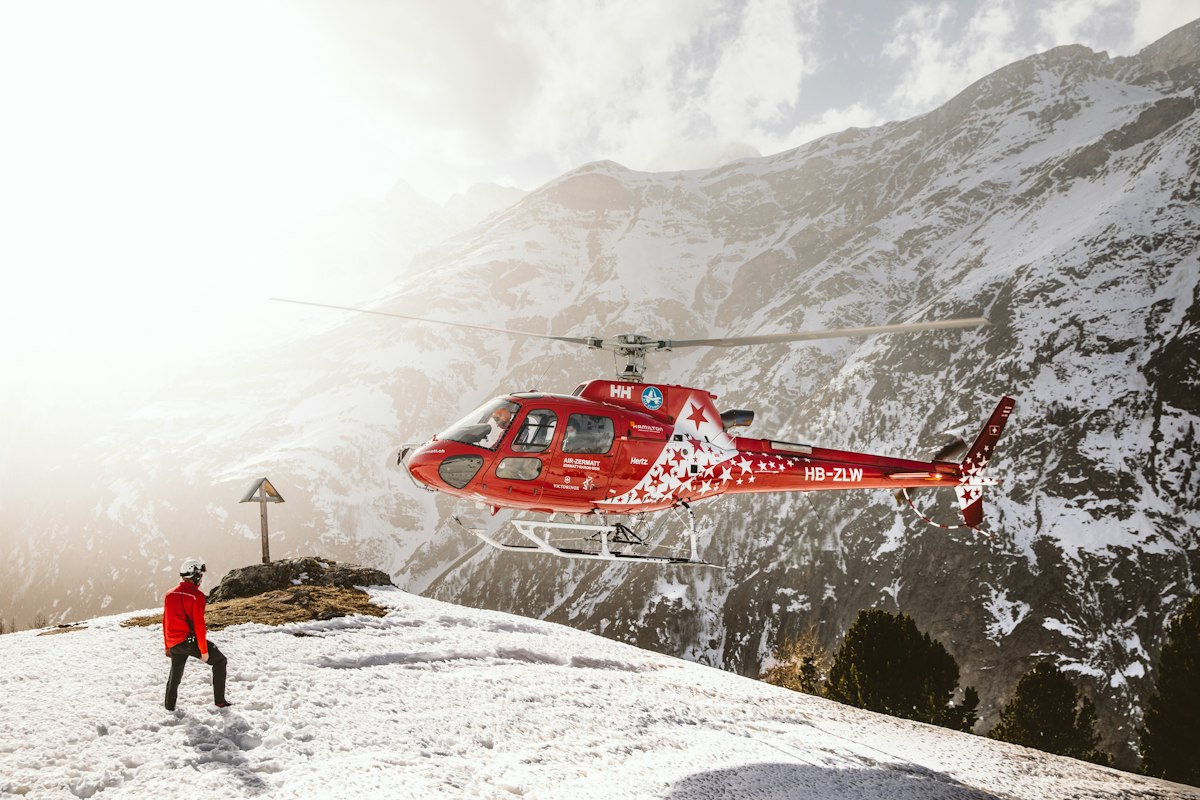
Yes, you need travel insurance with winter-sports cover for a ski trip to Argentina, and you need to check three things in the policy: on-piste and off-piste cover, mountain rescue and evacuation, and medical repatriation. A standard travel policy usually excludes skiing or caps it at low limits. Expect to pay roughly $60-$150 USD for a one-week ski policy, which is small next to a single rescue bill.
Quick Answer: Ski insurance for Argentina
- Cost (one week, winter-sports add-on): ~$60-$150 USD per person
- Medical cover to look for: $100,000 USD or more
- Evacuation and repatriation: $250,000 USD or more
- Off-piste cover: must be stated in writing, not assumed
- Heli-ski and guided touring: usually need a specialist policy
- Cancellation cover: worth adding if flights cost over $1,000 USD
Do I really need ski insurance in Argentina?
Yes, because Argentina's public hospitals will treat emergencies but private clinics in Bariloche, San Martin de los Andes and Mendoza expect payment or a guarantee from your insurer. A fracture with surgery and a few nights in a private clinic can run $5,000-$15,000 USD. A flight home with a medical escort can pass $30,000 USD from Argentina to North America or Europe.
Most reputable operators, including heli-ski companies and guiding outfits, ask to see your policy before the first day.
What should a ski policy cover in Patagonia?
A good policy covers six things, in this order of importance:
- Emergency medical treatment, with a limit of at least $100,000 USD
- Mountain rescue and evacuation from the slope to a clinic
- Medical repatriation to your home country
- Skiing and snowboarding named as covered activities, including off-piste if you plan to leave the groomed runs
- Lost, stolen or delayed ski equipment and baggage
- Trip cancellation and interruption, for example if a wind closure or an injury cuts the week short
Check the exclusions page too. Common traps are a maximum altitude limit, a requirement that you ski only inside marked boundaries, and exclusions for alcohol-related accidents.
What does mountain rescue cost without cover?
Rescue costs at Argentine resorts depend on the terrain and the transport used. A ski patrol sled run from the slope to the base clinic at Cerro Catedral is modest compared with a helicopter or a long ground evacuation from backcountry terrain, which can reach several thousand dollars. Costs in the thousands of dollars are common once a private ambulance to a Bariloche clinic is added.
The cheapest accident is the one that never leaves the groomed run. The most expensive is the one outside the resort boundary, where patrol rescue may not be free and your insurer may deny the claim if off-piste was excluded.
Is off-piste and backcountry skiing covered?
Only if the policy says so in writing. Many mainstream travel policies cover on-piste skiing and exclude off-piste skiing, ski touring and heli-skiing. Specialist providers sell a winter-sports tier that covers off-piste when you ski with a certified guide, and a higher tier for unguided backcountry.
If you are booking a day on our off-piste experiences or a heli-skiing day, tell your insurer the activity, the country and whether a guide is present. Our guides can supply the guide certification details insurers ask for. Our post on mountain guide certifications explains what AAGM and IFMGA mean.
Does my credit card or home health plan count as ski insurance?
Usually not enough on its own. Premium credit cards often include travel medical cover, but they commonly exclude winter sports above basic level and cap evacuation low. A domestic health plan such as a US or UK plan generally does not pay for treatment in Argentina at all, and the UK's GHIC does not apply there.
Compare two numbers, the credit card's medical limit and its evacuation limit, against the levels in the quick answer above. If either is lower, buy a dedicated policy. Our Argentina entry requirements guide covers what the country asks for at the border.
When should I buy the policy, and what should I carry?
Buy it the day you pay your first deposit, not the week before you fly. Cancellation cover usually only works for events that happen after you buy it, and some providers require purchase within 14-21 days of the first trip payment.
Carry three things on the mountain:
- A phone photo of the policy number and the 24-hour emergency assistance line
- Your passport number and the name of your embassy contact
- The name of your guide or ski school and the lodge where you are staying
Frequently Asked Questions
How much does ski insurance for Argentina cost? A one-week policy with winter-sports cover is typically $60-$150 USD per person. Adding off-piste, cancellation or equipment cover raises the price.
Does insurance cover a wind-day closure? Usually not. Lifts closing for wind is a weather event rather than an insured loss, so plan for it with our wind day guide.
Do I need to show insurance to rent skis or buy a lift pass? No, lift passes and rentals do not ask for it, but guides, ski schools and heli-ski operators often do.
Can I buy insurance after I arrive in Argentina? Not reliably. Most providers only sell to travelers who have not yet begun the trip, so buy before you fly.
This guide was written by the Ski Patagonia Co. team, based on many seasons of guiding at Cerro Catedral and years of helping international guests sort out insurance, medical clinics and paperwork in Patagonia. It is general information, not financial advice, so read your own policy wording.
If you want help matching your trip to the right cover and the right guides, plan your trip with us.
Hero photo by Kevin Schmid on Unsplash