Money in Argentina: A Practical Cash and Card Guide for International Skiers
Pesos, dollars, blue-rate exchange, card fees, ATM limits, and tipping. Everything an international skier needs to know about handling money on a Patagonia ski trip.
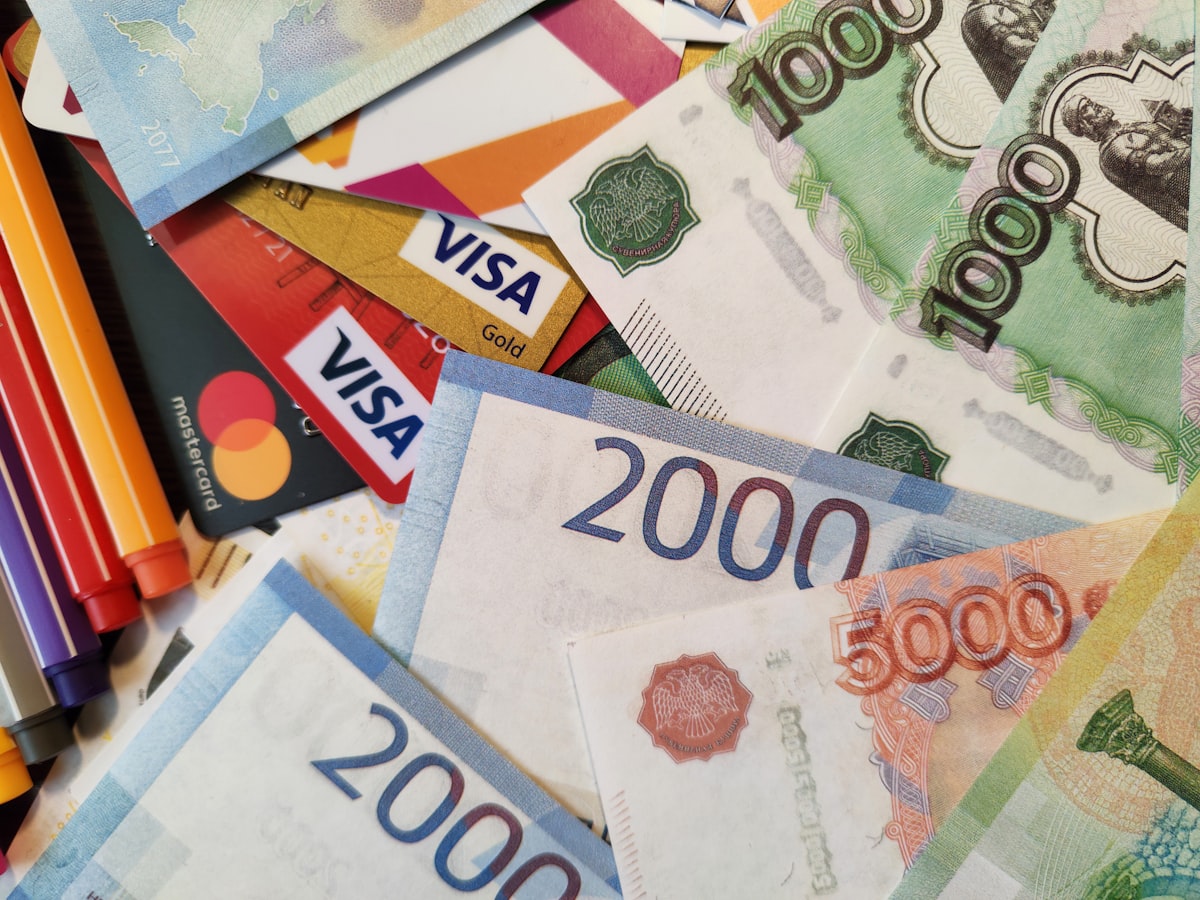
If you have never traveled in Argentina before, the money side of a ski trip can feel like the most confusing part of the planning. There are two exchange rates. ATMs cap your withdrawals at amounts that seem absurd by 2026 standards. Card fees swing wildly between providers. And tipping in restaurants and ski schools follows rules that nobody bothers to write down.
We talk about this with almost every guest who books a trip with us, so we built this guide to explain how money actually works on the ground in Bariloche, San Martin, and the rest of the Patagonian ski circuit. None of this is investment advice and exchange rates move every week, but the practical mechanics below have been steady for the past two seasons and should hold up for the 2026 winter.
The Two Exchange Rates: Official and Blue
Argentina has had a parallel currency market for years. The "official" exchange rate is what banks, credit cards, and government services use. The "blue" rate (also called "dolar MEP" or just "the street rate") is what currency exchange houses, peer-to-peer transfers, and many merchants will give you for cash US dollars.
The gap between the two has narrowed considerably since the major economic reforms of 2024-2025, but as of mid-2026 the blue rate is still typically 5 to 15 percent better than the official rate. On a two-week ski trip with daily spending of 200 to 300 USD, that gap can add up to a meaningful amount of saved money.
The practical takeaway: bring crisp US 100-dollar bills if you want to maximize your spending power. Tatty, torn, or marked bills get rejected or exchanged at worse rates.
How to Pay for Lift Tickets, Hotels, and Tours
For pre-booked items, just use a credit card. Hotels in Bariloche and San Martin almost universally process foreign credit cards now, and the official rate they apply is fine for items priced in dollars. Lift tickets at Cerro Catedral and Cerro Chapelco can be bought online with international cards in advance.
For restaurants, ski rentals, and tips, cash is still king in many places. Smaller mountain restaurants, family-run pizzerias, and individual ski instructors often prefer pesos and may give you a discount for paying in cash. Some establishments will accept dollars directly at a friendlier-than-official rate, but the variation is huge -- always ask the price in both currencies before ordering.
ATM Reality Check
This is where most international skiers get caught off guard. Argentine ATMs cap withdrawals at low amounts (in 2026, most are around 30,000 to 50,000 pesos per transaction), charge a flat fee per withdrawal in dollars, and apply the official exchange rate. If you are pulling 100 USD worth of pesos at a time and paying a 10 USD ATM fee, you are losing 10 percent on top of the official rate disadvantage.
For most international skiers, ATMs should be a backup, not a primary plan. Bring enough US cash to cover your incidentals and tips, exchange at a reputable casa de cambio in Bariloche or Buenos Aires, and use cards for everything large. See How Much Does a Ski Trip to Patagonia Actually Cost? for typical daily budgets.
Where to Exchange Cash
In Buenos Aires, San Telmo and Microcentro have dozens of casas de cambio. Reputable ones display rates clearly and give you a receipt. In Bariloche, the casas along Mitre Street near the Civic Center are the standard option and most international travelers use them without issue. Always count your pesos before leaving the counter.
Avoid the unofficial "arbolito" street changers. Even when the rate looks good, the risk of receiving counterfeit notes is real and not worth it on a vacation.
Tipping: The Unwritten Rules
Tipping in Argentina is not as systematic as in North America, but it is expected in the situations below. None of these are mandatory, but skipping them when service was good will be noticed.
- Restaurants: 10 percent is standard for sit-down meals. Some bills already include "cubierto" (a small cover charge), which is not a tip.
- Ski instructors: at the end of a private lesson, 10 to 15 percent of the lesson cost in cash is appreciated. For a multi-day private guide, work out a daily tip in advance.
- Ski rental staff: not expected, but a small cash tip if they spent extra time fitting your boots is a kind gesture.
- Hotel housekeeping: a few hundred pesos per day, left in the room.
- Bellhops, transfers, taxis: round up the fare, or 10 percent for a transfer driver who helped with skis.
- Heli-ski guides: at the end of the day or trip, a meaningful cash tip is standard. Discuss with the operator in advance -- see Heli-Skiing in the Andes for context on what this looks like.
What to Bring in Your Wallet
Based on what we see work for guests on a 7 to 10 day Patagonia ski trip:
- Two credit cards from different networks (one Visa, one Mastercard or Amex), with foreign transaction fees waived. Notify your bank of travel dates.
- One debit card for ATM backup.
- 500 to 1,000 USD in clean 100-dollar bills, to exchange in Bariloche.
- A small amount of pesos from a Buenos Aires exchange or your first ATM stop, to cover the airport taxi and first-day food.
- A wallet that closes properly. Keep cash distributed across two pockets when out for the day.
What to Skip
Do not bring large amounts of euros, pounds, or other non-USD currencies. The exchange rate disadvantage is significant and many casas only deal in dollars. Travelers checks are essentially useless in Argentina now.
Final Thought
The money logistics of an Argentine ski trip can feel intimidating from a distance, but they are very manageable once you understand the basic playbook: dollars in, pesos for incidentals, cards for big-ticket items, and a healthy buffer for tips. None of our guests have ever had a trip ruined by money issues -- they have just occasionally been frustrated by them in the first 24 hours.
If you want a hand sorting out the cash and card side before you arrive, our team can walk you through the latest exchange rates and make sure your booking structure minimizes fees. Plan your trip with us and we will include practical money guidance in your trip prep notes.