What It's Actually Like to Heli-Ski the Andes
Our guide Marcus walked us through a day at 3,400 metres in the remote southern Andes. This is what happened when the helicopter doors opened.
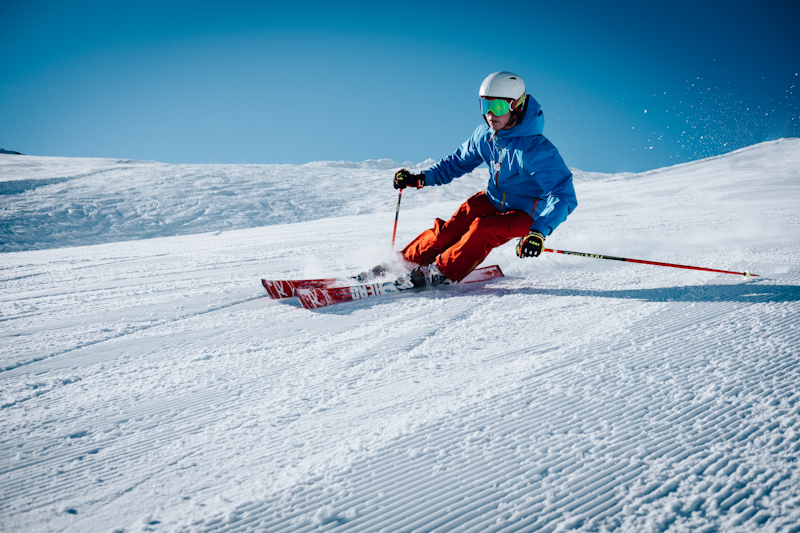
The Helicopter Doors Open
There's a moment, about forty minutes into the flight, when the pilot banks hard to the left and the entire southern Andes spread out beneath you. Glaciers, volcanic peaks, frozen lakes — and not a single other human being in sight. That's when you understand why people fly halfway around the world for this.
How It Works
Our heli-ski operations run out of two bases: one near San Martín de los Andes, and another deep in the Araucanía region near the Chilean border. Both access terrain that is completely unreachable by any lift system.
A typical day involves 4-6 runs, each dropping between 800 and 1,500 vertical metres. The helicopter repositions between zones throughout the day, so no two runs are the same. Your guide reads the snowpack and selects lines based on conditions, group ability, and — honestly — what looks most exciting from the air.
The Terrain
Forget the groomed boulevards of resort skiing. Out here, you're skiing wide-open glacial bowls, couloirs between volcanic rock bands, and old-growth araucaria forests that have never seen a ski track.
The snow in the backcountry is often dramatically better than at the resorts. Higher elevation, northern aspects (remember, this is the Southern Hemisphere — north-facing slopes get the most sun), and zero wind exposure in the sheltered valleys means dry, untracked powder days after almost every storm.
What You Need to Know
Fitness: You don't need to be a professional, but you do need to be a confident advanced skier or snowboarder comfortable in variable off-piste conditions.
Safety: Every client carries avalanche rescue equipment. Our guides are IFMGA-certified and carry satellite communication. Weather windows are strictly observed — if conditions aren't right, we don't fly.
Group size: Maximum four skiers per helicopter, plus guide.
Cost: Heli-skiing in Patagonia is significantly more affordable than in Canada or Alaska. A full day typically includes 6 runs and around 8,000-10,000 vertical metres.