What It's Like to Be a Ski Guide in Patagonia
A look inside the daily life of Patagonian ski guides -- from pre-dawn weather checks and backcountry route-finding to the rewards of sharing these mountains with visitors from around the world.
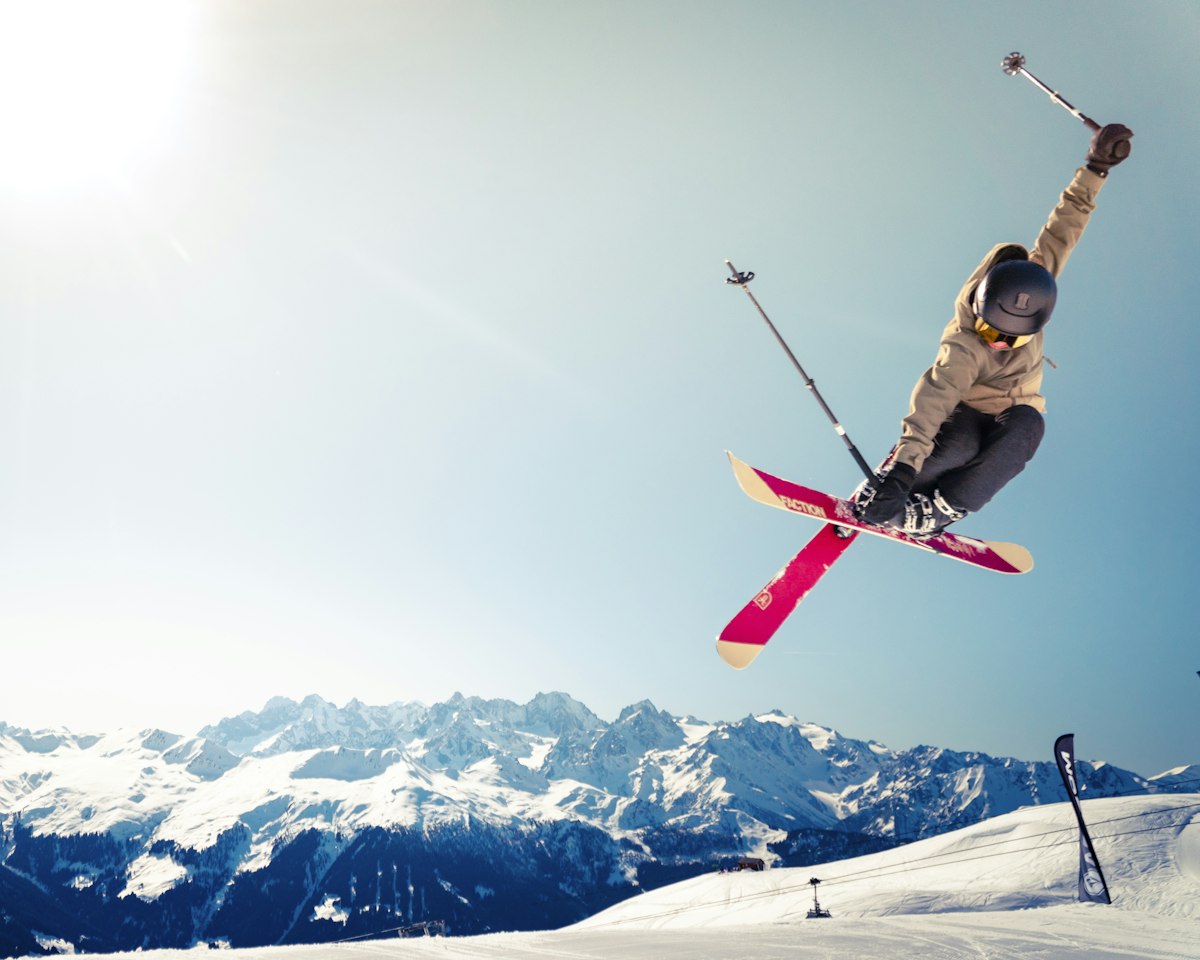
Most people picture a ski guide's life as non-stop powder runs and mountain sunsets. The reality is more nuanced â and more interesting. Being a ski guide in Patagonia means reading weather that changes by the hour, making decisions that keep people safe in serious terrain, and sharing a mountain range that most of the world has never heard of. We spoke with guides on our team about what the job actually looks like, day to day.
The Day Starts Before Dawn
A guide's morning begins well before the first lift opens. By 6am, they're checking weather forecasts, wind reports, and snow stability data. In Patagonia, weather is the single biggest variable. The Andes sit at the convergence of Pacific and Atlantic weather systems, and conditions can shift from bluebird to whiteout in less than an hour.
This is especially critical for backcountry and off-piste operations. Guides assess avalanche risk using a combination of regional bulletins, their own snow pit observations, and years of local knowledge about how specific slopes load in different wind patterns. By the time clients arrive for breakfast, the guide has already made preliminary decisions about where to ski and which terrain to avoid.
Reading the Patagonian Wind
Ask any Patagonian ski guide what makes this place unique, and wind will be one of the first things they mention. The prevailing westerlies that sweep across from the Pacific are a defining feature of skiing here. They can shut down upper lifts at Cerro Catedral, redistribute snow overnight, and create wind-loaded pockets that demand careful navigation.
But the Patagonian wind is also what creates some of the best skiing. It deposits snow into sheltered bowls and leeward faces, building deep pockets of powder that can last for days because fewer people know where to find them. A good guide knows exactly where the wind is depositing snow and can lead clients to stashes that the resort crowd never touches.
The Terrain Is the Teacher
Patagonian guides develop an intimate relationship with their terrain over years of daily contact. They know which couloirs funnel avalanches after heavy snowfall, which tree runs hold the best snow when visibility drops, and which south-facing aspects keep their snow cold and dry the longest.
Many guides working in the Bariloche area grew up skiing Cerro Catedral. They started as kids racing through the lenga forests, graduated to the steeper lines on the upper mountain, and eventually pursued professional certifications. Argentine ski guide certification (through the national mountain guide association) involves years of training in skiing technique, avalanche rescue, mountain medicine, and client management.
For heli-skiing operations, the skill set goes further. Guides need to assess remote terrain from the helicopter, make real-time decisions about landing zones, and manage groups in areas with no cell service, no ski patrol, and no marked boundaries.
What a Guided Day Looks Like
A typical guided day on-resort might start at the base of Cerro Catedral around 9am. The guide briefs the group on conditions, checks everyone's equipment, and assesses the group's ability level with a few warm-up runs. From there, the day unfolds based on what the mountain is offering.
On a good day â fresh snow, light wind, clear skies â a guide might lead the group to the upper bowls and ridgelines that most visitors don't know how to access. These areas are technically within the resort boundary but require knowledge of boot-pack routes and traverse lines that aren't marked on the trail map.
On a windy day, the guide pivots. They'll head into the protected tree runs, find the sheltered pockets where snow quality is best, and keep the group comfortable while resort skiers are fighting gusts on the exposed upper mountain. This adaptability is what separates a guided experience from skiing on your own.
For backcountry days, the pace is different. There's a skin or boot-pack approach, often 45 minutes to two hours of climbing before the first run. The guide sets the pace, monitors the group, and continuously assesses conditions. The reward is untracked terrain and the kind of silence that you can't find inside a resort.
The Rewards of the Job
When you ask Patagonian guides why they do it, the answers are surprisingly consistent. It's not the skiing â though the skiing is exceptional. It's the people and the place.
Guiding gives them a reason to be in the mountains every day, to know the terrain with a depth that recreational skiers never achieve, and to share something they love with visitors who are experiencing these mountains for the first time. There's a particular satisfaction in taking someone from the US or Europe to a line they've never heard of and watching their face when they drop into untouched powder with the Andes stretching to the horizon in every direction.
The lifestyle isn't easy â the season is short, the weather is demanding, and the work requires constant vigilance. But for the guides who choose it, there's nothing else they'd rather do.
Ski with Our Guides
Our team of certified Patagonian guides knows these mountains better than anyone. Whether you're looking for a family-friendly resort day, an off-piste adventure, or a full heli-ski expedition, our guides will show you the best of the Andes while keeping your group safe and smiling.
Ready to ski with a local who knows every powder stash in the range? Let us plan your guided trip.