Following the Sun at Cerro Catedral: Which Slopes Ski Best at Which Hour
Learn which Cerro Catedral slopes ski best at which hour, and how sun aspect in the Southern Hemisphere changes snow quality through the day.
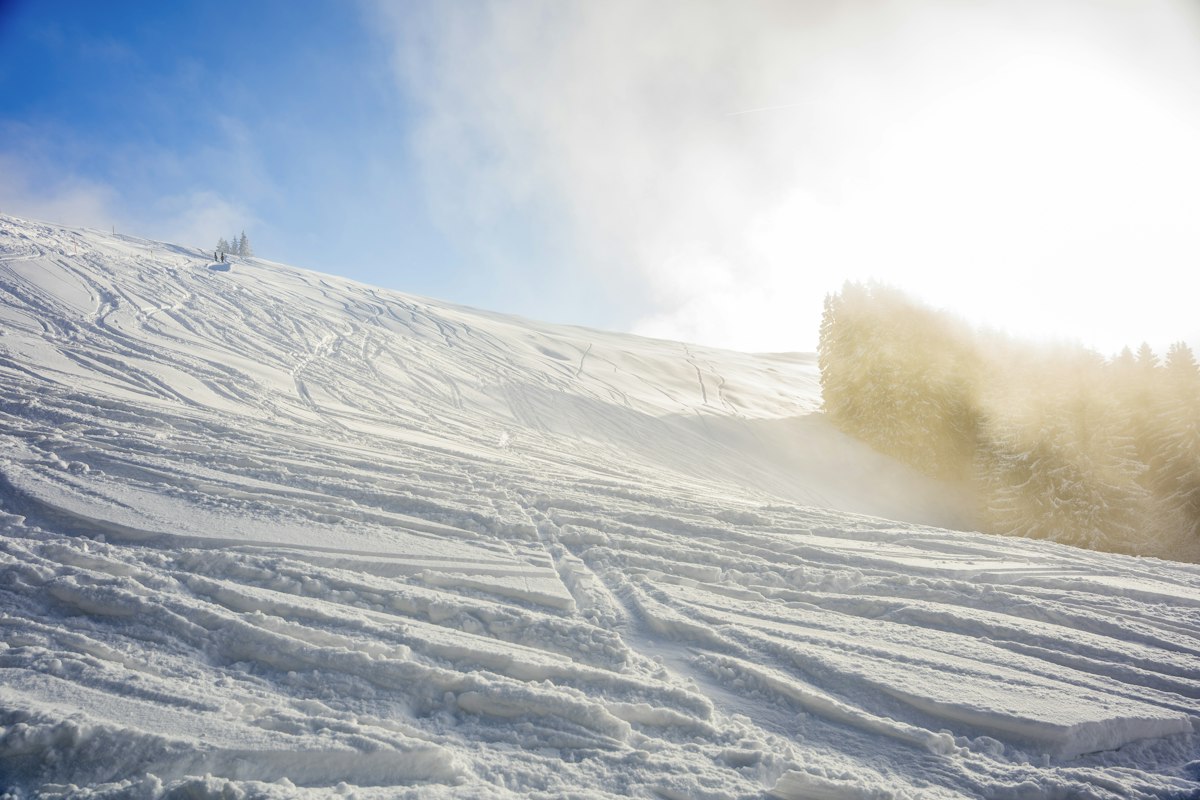
To ski the best snow at Cerro Catedral, follow the sun: start on shaded, south-facing terrain in the morning while the snow is firm and cold, then move to sunnier, north-facing slopes as the day warms and the surface softens. In the Southern Hemisphere the sun sits in the north, so north-facing slopes get the most sun and soften first. This one habit often turns an icy morning into a soft, forgiving afternoon.
Why does the sun matter so much for snow quality?
The sun decides whether snow is icy, soft or heavy, and in Patagonia it can change a slope within two or three hours. Cold nights refreeze the surface into a firm crust. Sun then softens the top few centimetres into smooth "corn" snow, which is the most enjoyable surface for carving. Leave it too long and the same slope turns heavy and sticky.
At Catedral, with a base around 1,030 m and a top above 2,000 m, temperatures and sun exposure change quickly with height. Wind also plays a role, which is why our wind guide matters as much as the sun chart. Always check the snow forecast before choosing your first lift.
Which side of the mountain gets sun first in the Southern Hemisphere?
In Patagonia the sun tracks across the northern sky, so north-facing slopes get the most sun and east-facing slopes get it first. This is the reverse of the Alps or Rockies, where south-facing slopes are the sunny ones. Skiers from the Northern Hemisphere often get this backwards on their first day.
A simple rule of thumb:
- East-facing slopes: sun from early morning, soften first
- North-facing slopes: sunniest through the middle of the day
- West-facing slopes: sun arrives later, good for afternoon corn
- South-facing slopes: stay shaded, hold cold snow longest
Check a compass or phone before you commit to a run. The trail map shows which way each run faces, and our lift map guide helps you read it.
How should you plan a ski day around the sun?
Plan the day in three blocks: firm snow early, softening snow midday, and shaded or wind-protected terrain late. Our guides usually run a day like this:
- First lifts to about 10:30 am: shaded and south-facing groomers, where cold snow holds an edge
- 10:30 am to 1 pm: move to east- and north-facing slopes as they soften
- 1 pm to 3 pm: take lunch, then ski north- and west-facing runs while the snow is still moist
- After 3 pm: head back to shaded terrain if the sun has turned slopes heavy
Exact timings shift with season, cloud and temperature, so treat these as starting points rather than rules. In deep winter the sun is lower, the day is shorter and the shaded sectors stay cold much longer than in September.
Does this change between July and September?
Yes. In July the sun is low and days are short, so shaded slopes stay cold and powder lasts longer on south-facing terrain. By September the sun is higher, days are longer and north-facing slopes can turn heavy by early afternoon. Our spring skiing guide covers the late-season approach in more detail.
A rough comparison:
| July | September | |
|---|---|---|
| Sun strength | Low, weak | Higher, strong |
| Best powder | South-facing, all day | South-facing, all day |
| Corn snow window | Short, midday | Long, late morning to early afternoon |
| Heavy snow risk | Low | Higher by 2 pm |
How does sun affect powder, avalanche risk and off-piste choices?
Sun makes powder heavier and raises the chance of wet-snow instability on steeper slopes. After a storm, shaded south-facing runs keep dry powder longest, while sunny aspects can crust or turn wet within a day. Always ask your guide before leaving the marked trails. Our avalanche safety guide covers the basics, and our powder day guide shows how to time a fresh dump.
If you are chasing first tracks on a sunny day, go to the shaded side early. By lunchtime, sunny slopes are usually tracked out and heavy anyway.
Frequently Asked Questions
Which slopes at Cerro Catedral are sunniest? North-facing slopes receive the most sun in Patagonia, because the sun tracks across the northern sky in the Southern Hemisphere. Check the trail map for slope direction.
When does the snow soften at Catedral? On a clear day, east- and north-facing slopes usually soften between about 10 am and noon. Cloud and wind can delay this by an hour or two.
Is morning or afternoon better for skiing? It depends on the surface. Mornings are best for firm groomers and shaded powder, while late morning to early afternoon is best for soft corn snow on sunny slopes.
Do I need a guide to find the best snow? You do not strictly need one, but a local guide reads sun, wind and snow conditions for you. See our off-piste experiences for guided options.
This guide was written by the Ski Patagonia Co. team, based on many seasons of guiding and watching the light move across Cerro Catedral.
Want to ski the right slope at the right hour on your own trip? Plan your trip with us and we will pair you with a guide who reads the mountain.
Hero photo by Livio Raschle on Unsplash