Spring Skiing in Patagonia: Why September and October Are Underrated
Spring skiing in Patagonia — September and October bring corn snow, thin crowds, and lower prices. Here is how to plan it right.
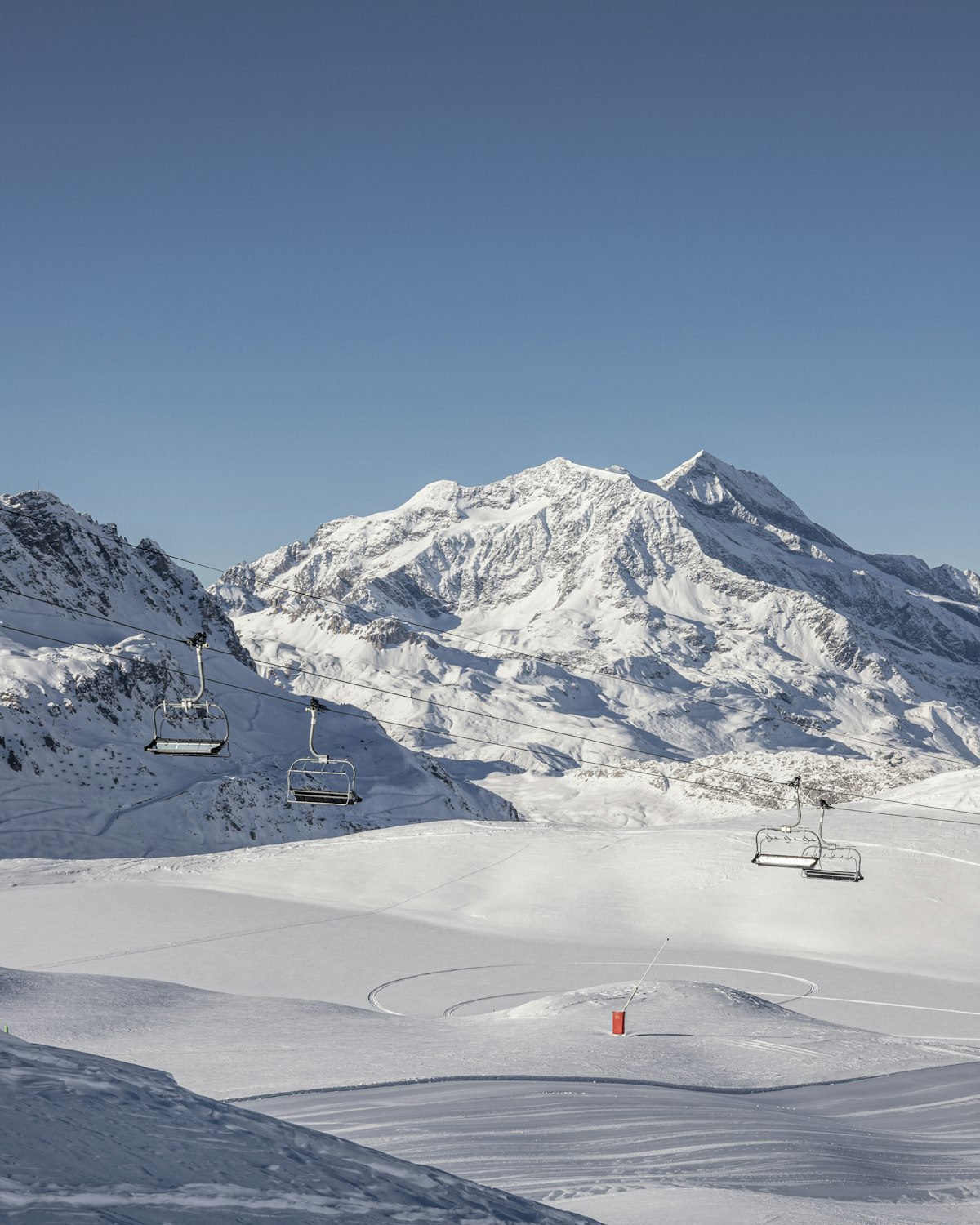
Spring skiing in Patagonia might be the best-kept secret of the Southern Hemisphere season. While everyone talks about peak July conditions, the skiers who come back year after year book September and October. Longer days, softer snow, fewer crowds, and dramatically lower prices — the math is obvious once you've done it. Here's what spring skiing actually looks like in the Andes, and who should plan for it.
When Is Spring Ski Season in Patagonia?
Spring ski season in Patagonia runs from roughly September 1 through October 15, with the best conditions typically falling in mid-September at Cerro Catedral and Chapelco, and late September through early October at higher-elevation resorts like Las Leñas and Cerro Castor. Exact timing shifts year to year based on how late the snow lingered — in a big snow year, resorts can stay open until the third week of October. For a full breakdown of when each resort is worth skiing, see our week-by-week season guide.
What the Snow Is Like in September and October
Spring snow in the Andes cycles through a predictable daily rhythm: firm overnight refreezes give way to soft corn by late morning, then to wet spring slush by mid-afternoon. This is excellent skiing if you time it right and challenging if you don't. Our guides start lifts at 9am on south-facing terrain, ski east-facing until 11, and then rotate to north-facing slopes through the afternoon. The corn window — roughly 10am to 1pm on most days — is some of the most forgiving, enjoyable skiing of the entire year.
Powder days still happen in September. A late-season storm can drop 30-60 cm in 24 hours, and the combination of fresh snow on a settled spring base creates the closest thing to perfect conditions you'll find anywhere.
Why Crowds Drop Dramatically After August
Argentine school vacation ends in mid-August, and Brazilian ski traffic — which accounts for a huge portion of winter visits to Bariloche — slows to a trickle by September. By the third week of September, lift lines at Catedral are 2-3 minutes instead of 20. Lodging availability opens up. The best tables at lakefront restaurants everyone tries to book suddenly become gettable. If you've been to Catedral in peak July, coming back in late September feels like someone handed you the mountain.
What a Spring Ski Trip Actually Costs
Spring pricing runs 30-50% below peak. A week at a good Bariloche lodge that costs USD 3,800 in July drops to USD 2,200 in late September. Lift tickets discount by 20-25%. Guide rates hold roughly steady, but group availability is much easier to arrange on short notice. Total savings for a two-week trip comparing peak to spring: often USD 2,000-3,000 per skier. The short version is that spring is the best value in Patagonian skiing.
Longer Days, Warmer Temperatures
September adds 90 minutes of daylight compared to peak July. Sunrise at 7:30am, sunset at 6:45pm. That extra time matters more than it sounds. You can ski a full morning, have a proper 90-minute lunch, and still get a second session in before the lifts close. Temperatures climb into the mid-50s F (12-14 C) at the base during the day — warm enough to ski in a shell and light layers, cold enough that the snow stays good through mid-afternoon.
The Best Resorts for Spring Skiing
Not every resort works in spring. Here are the ones that do:
- Cerro Catedral — open through early October most years. Best for intermediate and advanced skiers chasing corn. See our Cerro Catedral guide.
- Cerro Castor, Ushuaia — the southernmost resort on Earth holds snow latest, often skiing strong through October 10.
- Las Leñas — opens in earnest in September, not before. The steepest terrain in Argentina, with spring corn conditions ideal for its long, exposed descents.
- Chapelco, San Martín — closes earliest, usually late September. Worth it only if you're already in the region.
Cerro Bayo, La Hoya, and Caviahue typically close by mid-September.
What to Pack Differently for Spring
Your gear list shifts in spring:
- Shell jacket and light midlayer instead of a heavyweight parka
- Lighter gloves — spring temps make July's mitts too warm
- A small backpack with water, sunscreen (SPF 50+, critical at this UV level), and a light shell for wind
- Sunglasses for the ride up, goggles for the descent
- Skis with some width underfoot (95-110 mm) to handle afternoon slush
For corn-day specialists and tourers, this is also prime backcountry skiing season — south-facing slopes above 1,800 meters hold winter snow into mid-October.
Who Spring Skiing Is Right For
Spring is ideal for intermediate-to-advanced skiers, off-piste skiers looking for corn conditions, ski tourers extending their season, and anyone who wants a high-quality Patagonian experience without peak-season cost or crowds. It's less ideal for first-time skiers (daily freeze-thaw cycles make learning harder) and for families with school-age kids (Argentine schools are back in session and kids programs are reduced). For groups wanting more control over the schedule, our custom trips are a good fit in shoulder season.
If a spring trip makes sense for you, tell us what you're looking for and we'll build a week around the specific conditions and resorts that work best in September and October. Most of our repeat clients shifted to spring after one peak-season trip — the math tends to win people over.