How Cerro Catedral's Lift System Compares to North American Ski Resorts
A practical comparison of Cerro Catedral's lift infrastructure to what North American skiers are used to -- what surprises first-timers, what is genuinely different, and what is unexpectedly better.
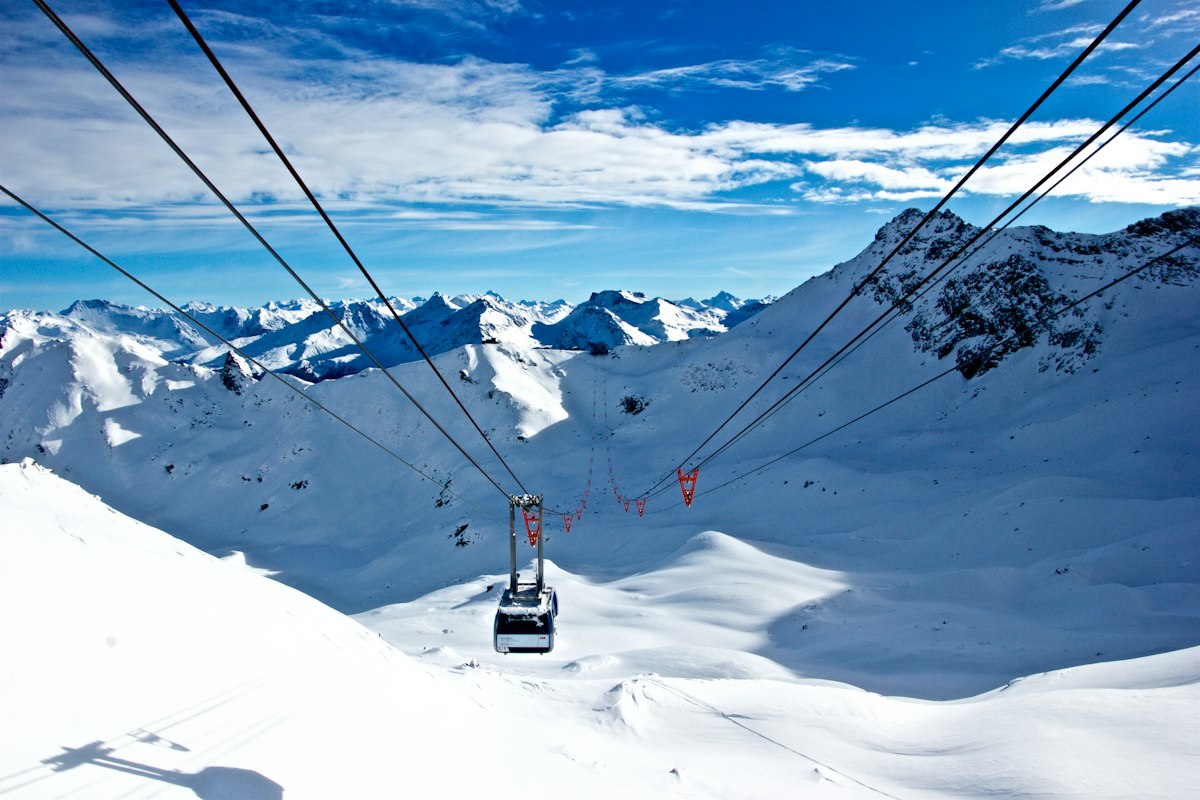
Most North Americans booking their first Patagonia ski trip arrive with a quiet assumption: the lift system will be older, slower and rougher than what they know from Vail or Whistler. Some of that is true. Most of it is not. Cerro Catedral has been operating as a serious ski resort since the 1930s and has the largest lift network in South America. It runs differently from a North American resort, but the differences are not the ones most people expect.
This post is for skiers who are used to Colorado, Utah, British Columbia or the Sierras and want to know what they are walking into. We will cover the lift mix, the lines, what Catedral does better than the Rockies, what the Rockies do better, and how to plan a trip that takes the differences into account.
The Headline: Catedral Has More Lifts Than Most People Expect
Cerro Catedral has 39 lifts spread across roughly 1,200 hectares of skiable terrain. For comparison, that is more total lifts than Aspen Snowmass, more than Park City's Canyons side, and roughly on par with Vail's back bowls combined with the front side. The skiable area is smaller in absolute terms than Vail or Whistler, but denser per hectare than most North American resorts.
The vertical drop is about 1,030 meters from the top of the highest lift down to the base. That puts Catedral in the same vertical range as Steamboat or Mammoth -- not as much as Whistler-Blackcomb or Telluride, but more than most New England mountains and most of the Tahoe area resorts.
For a layout overview before you book, see Cerro Catedral: The Complete Guide.
What's Different About the Lift Mix
The single biggest difference is the ratio of detachable high-speed lifts to fixed-grip surface lifts. North American resorts have spent the last twenty years aggressively replacing T-bars and pomas with high-speed quads and six-packs. Catedral has kept a much higher proportion of surface lifts in service, especially in the upper bowls.
This sounds bad. In practice it is not. T-bars and pomas keep running in high winds when chairlifts have to close, and Patagonian wind closes chairs more often than any North American resort except maybe Banff or the high Wasatch. On a windy day at Catedral, the upper-mountain T-bars are often the only thing turning. Skiers who can ride a T-bar without falling off get to keep skiing while everyone in the high-speed-quad pipeline is stuck at the base.
The second difference: Catedral's base lifts are a mix of gondolas (cabinas), high-speed chairs and older fixed-grip chairs. The main Amancay gondola is modern and fast. The mid-mountain chairs vary. The newer ones are detachable; the older ones are fixed-grip and slow to load. None of it is broken or dangerous -- just less uniformly fast than what you would find at a Vail Resorts property.
For more on how wind shapes the day-to-day skiing experience here, see Patagonian Wind: How It Affects Skiing.
Lift Lines and Crowds
Crowds at Catedral peak during the Argentine school holidays in mid-July and during the August long weekend. On those weeks the main base lifts can stack up similarly to a busy Saturday at a Front Range Colorado resort -- 15 to 25 minute waits at the worst pinch points.
Outside those peaks, lift lines at Catedral are much shorter than at a comparable North American resort. A typical mid-week day in late June or early September has effectively no wait on the upper-mountain lifts. International skiers who time their trip around the Argentine domestic schedule get a near-private mountain feel that is genuinely hard to replicate in North America without buying a multi-day cat-ski package. See The Week-by-Week Breakdown of the Patagonian Ski Season for timing strategy.
What Catedral Does Better Than the Rockies
Lift access to genuinely steep terrain. From the top of the upper-mountain T-bars you can drop into off-piste lines that, at most North American resorts, would require a 30-minute hike or a snowcat shuttle. The lift-to-vertical ratio for technical terrain is unusually generous.
Lake views from the chair. Most lifts on the front side of Catedral look directly out over Lago Nahuel Huapi. The view from the lift is a real part of the experience here in a way that big high-walled glacier resorts cannot match.
On-mountain refugios. Catedral has more substantial mid-mountain refugios serving real meals than any North American resort we have skied. Lunch at Refugio Lynch with the lake spread out below is a different kind of ski day. See What to Eat and Drink After Skiing in Bariloche for the food side of the story.
What North American Resorts Do Better
Lift uptime in storms. North American resorts have invested heavily in wind-rated detachable lifts that keep running in conditions that would close everything at Catedral. If you live for stormy powder days, the Rockies and Coastal BC will give you more uptime per inch of snowfall than Catedral will.
Signage and grooming consistency. North American resorts groom every named run every night. Catedral grooms heavily on its main thoroughfares but lets a lot of intermediate terrain stay variable. International intermediates sometimes find this surprising -- a blue at Catedral can ski like a low blue-black after three skied-off days.
Beginner progression. The dedicated beginner zones at most North American resorts are larger, more isolated from through-traffic, and have more magic-carpet style lifts than Catedral's beginner area at the base. New skiers should still learn here, but expect a slightly less polished progression than at Keystone or Northstar. See Learning to Ski as an Adult in Argentina for the realistic version of what learning here looks like.
How to Plan Around the Differences
- Book a guided day for your first or second day on the mountain. The map is genuinely different from a North American resort, with more interconnections through surface lifts, and a guide saves a half day of wandering. See Off-Piste Skiing in Patagonia for what guided days typically cover.
- Brush up on T-bar technique before you arrive. Practice loading on one ski for steep upper-mountain T-bars. This is the single skill that separates skiers who get full Catedral days from skiers who get stuck at the base on windy days.
- Build in a buffer day. Wind closures happen even mid-week. Plan a 6-day trip with one floating rest day instead of a tight 5-day plan. See Multi-Resort Ski Itineraries in Patagonia for ideas if you want to use a wind day to drive to a different mountain.
- For groups with mixed ability levels, consider a combination of self-guided lift skiing and one private off-piste day. Our group ski experiences are built around this kind of split.
Honest Take
If you measure ski resorts by lift uptime in storms, by detachable-quad density, and by perfectly groomed corduroy, Catedral will not beat Vail or Whistler. If you measure by lift-served steeps, by view, by the quality of a long lake-side lunch, and by the chance to ski uncrowded terrain mid-week, Catedral comes out ahead more often than not.
The right move is to stop comparing them as if one is a better version of the other. They are different products. International skiers who go in with that mindset have a much better trip than skiers who keep mentally checking off "how is this not Vail."
If you want help planning a Catedral trip that takes the lift system into account -- timing your week around wind, mixing self-guided and guided days, and getting the most out of the upper-mountain T-bars -- plan your trip and we will build it with you.