Learning to Ski as an Adult in Argentina: An Honest Guide for First-Time Skiers
Patagonia is one of the best places in the world to learn to ski as an adult. Here's what beginner adults should know -- where to go, how many days you really need, what it costs, and how to avoid the mistakes that ruin most adult-beginner ski weeks.
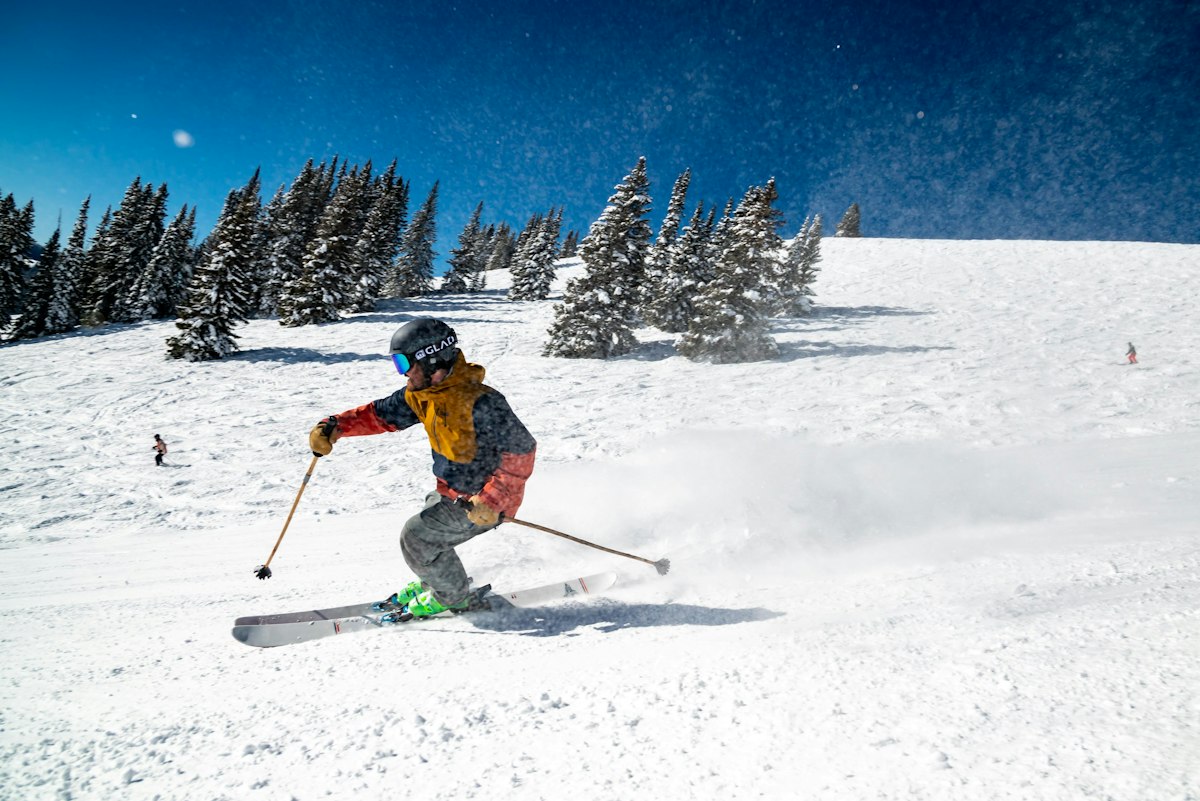
Most ski destinations are designed for people who already know how to ski. Argentina is unusually friendly to adult beginners -- the resorts have wide easy terrain, excellent ski schools that work in English, lower prices than the US or the Alps, and a culture that doesn't make you feel out of place if you're standing in the lift line at age 45 holding skis for the first time. We've helped a lot of adult beginners take their first ski trip in Patagonia, and the ones who do it right end up with skiing as a real hobby for the rest of their life. The ones who do it wrong leave thinking they hate the sport. The difference is almost entirely about how the trip is set up. Here's what we've learned.
Why Argentina Is a Great Place to Learn as an Adult
Three things make Patagonia better than most ski destinations for adult beginners. First, the major resorts -- Cerro Catedral and Cerro Chapelco -- have large, gentle, well-groomed beginner areas separate from the rest of the mountain, so you're not getting smoked by tired intermediates on busy traffic runs. Second, ski school instructors in Argentina speak workable English, are generally patient and unhurried with adults, and run group sizes of 4-6 students rather than the 10-12 you might find in busier resorts. Third, the cost is dramatically lower: a private 4-hour beginner lesson in Bariloche runs USD 200-280 vs USD 700-900 in Vail. That cost difference matters because the single most important investment for a first-time adult skier is private instruction, and Argentina makes that affordable. Patagonia is also less crowded than equivalent US/Alps resorts in their peak weeks, which makes the early days less intimidating.
How Many Days Do You Need to Actually Learn
Four to five lift days is the realistic minimum to get to the point where skiing is fun. Three days is enough to learn to turn and ride a green run; you won't be skiing well, but you won't be terrified. Five to six days gets you confidently around the easy and intermediate terrain at a place like Catedral. The single biggest mistake adult beginners make is booking a 10-day trip and skiing every day without a rest day, which leads to fatigue, declining technique, and frustration by day six. Build a rest day in by day three or four. We typically recommend a 7-day ski week with five lift days and a midweek off-day, with private lessons booked for the first 2-3 days and group lessons or solo skiing for the back half.
Best Resort for an Adult Beginner: Cerro Chapelco
If you're a first-time adult skier and we get to choose your resort, we send you to Chapelco in San Martin de los Andes over Cerro Catedral. The reasons are practical: Chapelco has a smaller, more contained beginner area at mid-mountain that's less intimidating; the resort layout is simpler, so you're not constantly getting lost; the town of San Martin is smaller and quieter than Bariloche, which makes the whole trip less overwhelming for someone who's already managing a lot of new variables; and the ski school is excellent. Cerro Catedral is also a fine choice -- bigger and busier with more terrain to grow into, which matters if you have a partner who skis and doesn't want to spend a week on green runs.
What You Should Spend on Equipment vs Instruction
The biggest budget mistake adult beginners make is buying expensive gear before they know if they like the sport. Don't buy boots, skis, or a helmet for a first trip -- rent everything. Argentine ski rental is excellent quality and affordable: USD 35-55 per day for a full setup at a good rental shop. We have a whole post on whether you should rent or bring skis -- the short version is rent. What you should spend on is instruction. Take private lessons for at least your first 2-3 days. A private instructor at USD 200-280 for 4 hours will teach you in 2 days what a group lesson would take 5 days to teach. After day three, group lessons or skiing with a competent friend are fine. Helmet rental is included with most ski packages; goggles you should buy and bring (USD 80-150 for decent ones).
What Adult Beginners Spend Their First Week
A realistic budget for an adult-beginner ski week in Argentina, including everything but flights: USD 1,800-2,800 per person for a 7-day trip with 5 lift days, private instruction the first 2-3 days, equipment rental, lift tickets, lodging at a 3-star property, and meals. The same week in Vail or Park City would run USD 4,000-6,000+. The same week in the Alps would run USD 2,500-4,000 depending on resort and currency. Argentina is genuinely the lowest-cost serious ski destination of the major options, and the quality of teaching and infrastructure is fully comparable. Lift tickets are USD 75-95 per day at the major resorts vs USD 200+ at top US resorts. The savings on a learning week are real.
What to Pack for a First Ski Trip
The gear list for a beginner is short and you don't need to overthink it. Bring a waterproof ski jacket and pants (rentable but better to own); thermal base layers (top and bottom, ideally merino); a fleece or light puffy mid-layer; warm ski socks (2-3 pairs, knee-high, thin -- thicker socks make boots fit worse, not better); ski gloves (waterproof); goggles (your own, with a low-light lens); a neck gaiter or buff; sunglasses for non-ski days; sunscreen and lip balm with SPF; and basic toiletries. Don't buy a one-piece suit, racing skis, or anything advanced. For a more thorough breakdown see our packing guide. The single most overlooked beginner item is a small daypack with water and snacks for the mountain -- you'll need both.
What to Expect in Your First Three Days
Day one is hard and that's normal. You'll feel uncoordinated, your boots will hurt, you'll fall a lot on the magic carpet, and you'll wonder if this whole thing was a mistake. By the end of day one most beginners can wedge-turn down a green run with help. Day two everything starts to click; by the afternoon you're linking turns. Day three you're skiing top-to-bottom on greens with a guide nearby and starting to enjoy the views. Day four you might try an easy blue run with your instructor. Day five you can usually ski independently on greens and easy blues with a friend or partner. Skipping any of those days resets the progression -- ski all five if you possibly can.
Going With a Skiing Partner Who Already Knows How
The trickiest dynamic is when one person in a couple or group is learning and the others already ski. Three rules make it work. Book separate lessons for the beginner so the experienced skier doesn't become an unwilling instructor (this kills relationships fast). Plan one ski day a week where the experienced skier takes a guided off-piste day and the beginner has a private lesson on the easy terrain. Build in one big shared lunch on the mountain each day so you reconnect mid-ski. We design a lot of custom group itineraries around exactly this pattern -- mixed-ability trips work beautifully if they're planned this way and disastrously if they're not.
What Comes After Your First Week
The goal of a beginner ski trip is to come home wanting to do another one. If you book a second trip within 12 months, you'll be skiing comfortably on intermediate terrain by the end of week two. By trip three you'll be skiing your local mountain anywhere on the map. Adult-onset skiing is one of the most rewarding hobbies you can pick up in your 30s, 40s, or 50s -- the friends you ski with, the places it takes you, and the perspective of being a beginner again all add up. Patagonia is a particularly good first destination because of the value, the patience of the instructors, and the dramatic scenery that makes even the slow days feel like an adventure.
If you're thinking about your first ski trip and want a week that's set up to actually teach you the sport, talk to us and we'll build the right combination of lessons, terrain, and rest days for someone learning from scratch. We've done this for engineers, doctors, retirees, and people who'd sworn they'd never ski. The ones who came back for trip two were the ones whose trip one was planned properly.