Why Bariloche Looks Like the Alps: The Swiss and German Heritage Behind Argentina's Ski Town
Bariloche looks like the Alps because of Swiss and German settlers and the architect Alejandro Bustillo. Here is the history, the food, and how to see it on a ski trip.
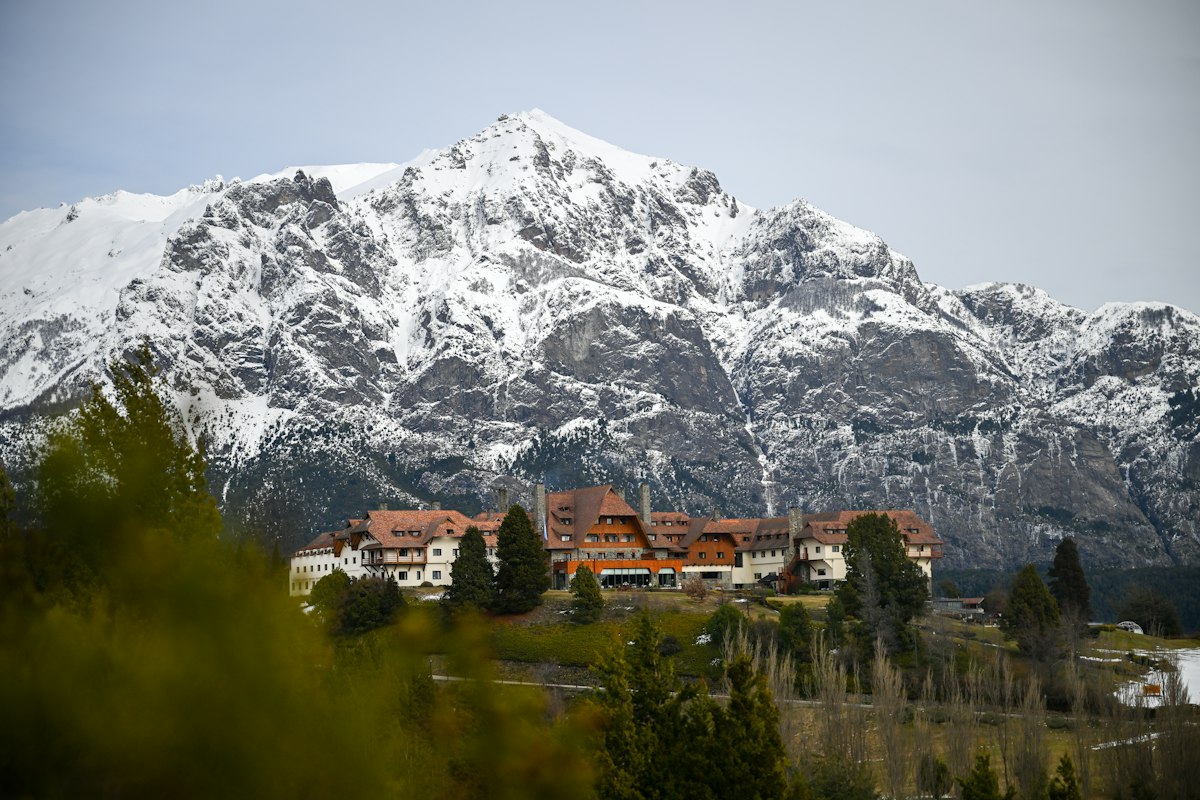
Bariloche looks like an Alpine town because Swiss, German and Italian settlers shaped it in the early twentieth century, and an architect named Alejandro Bustillo gave it its stone-and-timber civic centre in the 1930s. Add chocolate shops, fondue, a lake beneath the mountains and a ski resort above town, and the Alpine feel is real. This is the story behind it, and how to see it on a ski trip.
Quick Answer: Bariloche's Alpine heritage
- Founded as a town: 1902, on the south shore of Lake Nahuel Huapi
- Civic centre architect: Alejandro Bustillo, 1930s, stone and timber style
- Best place to see it: Centro Civico, Calle Mitre and the Avenida Bustillo lakeside road
- Heritage you can taste: chocolate, fondue, smoked trout, craft beer
- Time needed: a half day on a rest day or a wind day
Why does Bariloche look like the Alps?
Bariloche looks Alpine because European immigrants built it that way and the landscape invited them to. Settlers from Switzerland, Germany, Austria and Italy arrived from the late nineteenth century, and many brought building traditions suited to snow: steep roofs, deep eaves, stone bases and timber upper floors.
The setting did the rest. Lake Nahuel Huapi, forested hills and snowy peaks at around 2,000 m look so much like Lake Geneva or the Bavarian lakes that early visitors made the comparison constantly. The nickname Argentine Switzerland stuck. Patagonia's Alps are younger and emptier than Europe's, but the first impression is genuine.
Who built Bariloche's stone and timber centre?
Alejandro Bustillo designed the civic centre and much of Bariloche's early tourist architecture in the 1930s, working for the national parks authority. He used local stone and lenga and cypress timber, giving the town the Alpine-lodge look you see today.
The Centro Civico, with its clock tower and view over the lake, is the best example. A second landmark is the Llao Llao Hotel on the lakeside road west of town, also by Bustillo. Even if you are not staying, the drive past it is a good way to see how a style borrowed from Europe was adapted to Patagonian materials.
How did skiing arrive in Bariloche?
Skiing grew alongside the town: the national parks authority promoted winter sport in the 1930s and a ski club formed on Cerro Catedral. European instructors, many of them Austrian or Swiss, trained the first generation of local skiers and instructors.
That is why a surprising share of runs, lodges and ski schools still have European names, and why many Bariloche families have a grandparent who came from the Alps. For more on how the sport grew, read our post on the history of skiing in Patagonia.
What Alpine food should you eat in Bariloche?
The classic Alpine foods in Bariloche are chocolate, fondue and smoked trout and venison, and you can eat all of them in the town centre within a few blocks. The chocolate is the most famous, and the family-run shops on Calle Mitre sell it by weight, with truffles, hot chocolate and filled eggs.
- Chocolate: hot chocolate with churros after skiing is the standard treat. See our post on why the town takes chocolate seriously.
- Fondue: cheese and meat fondue are on most menus, often around $25-$40 USD per person.
- Smoked trout and venison: sold at deli counters and served on cold platters.
- Craft beer: brewers here follow German styles; our craft beer guide lists the best taprooms.
Where can you see the Alpine side of Bariloche in a few hours?
You can see most of Bariloche's Alpine heritage in a half day on foot and by taxi, starting at the Centro Civico and ending at the lakeside road. A sensible route:
- Start at the Centro Civico for the stone buildings, clock tower and lake view.
- Walk down Calle Mitre for chocolate shops and cafes.
- Taxi or bus along Avenida Bustillo to the Llao Llao area for lake and forest views.
- Finish with fondue or trout in the centre.
This works well on a wind day or a rest day, when you would otherwise be waiting for the lifts to open. For more ideas, see our guide to what to do on a wind day in Bariloche.
Does the heritage change how you ski here?
It does in small ways. The mountain culture here is a mix: European-trained instructors, Argentine hospitality and a relaxed pace that is closer to Latin America than to Austria. Lunches are long, dinners start at 9 pm, and the day ends with mate or hot chocolate rather than loud apres-ski.
If you want a trip that blends big skiing at Cerro Catedral with this town character, our group experiences include town days and local dinners alongside the mountain days.
Frequently Asked Questions
Is Bariloche really like the Alps? In looks and food, yes: timber chalets, lake views, chocolate and fondue. In scale, the mountains are lower and the crowds far smaller than in the Alps.
Who designed the Centro Civico in Bariloche? Alejandro Bustillo, an Argentine architect, designed it in the 1930s in a stone and timber style that defined the town's look.
Is the Alpine side of Bariloche worth a day off the slopes? Yes. A half day is enough, and it suits a wind day or a rest day. See our non-skier guide to Bariloche for more ideas.
When is the best time to visit? Winter, from July to August, gives you snow on the roofs and open lifts. Spring is quieter and good for walking.
This guide was written by the Ski Patagonia Co. team, based on years of living and guiding in Bariloche and many seasons at Cerro Catedral.
Ready to plan your own trip? Tell us your dates, your level and what you want from the mountain, and we will build it around you. Start here with Plan My Trip.