The History of Skiing in Patagonia
From European immigrants and military expeditions to modern mega-resorts -- how skiing took root in the Argentine Andes and grew into a world-class destination.
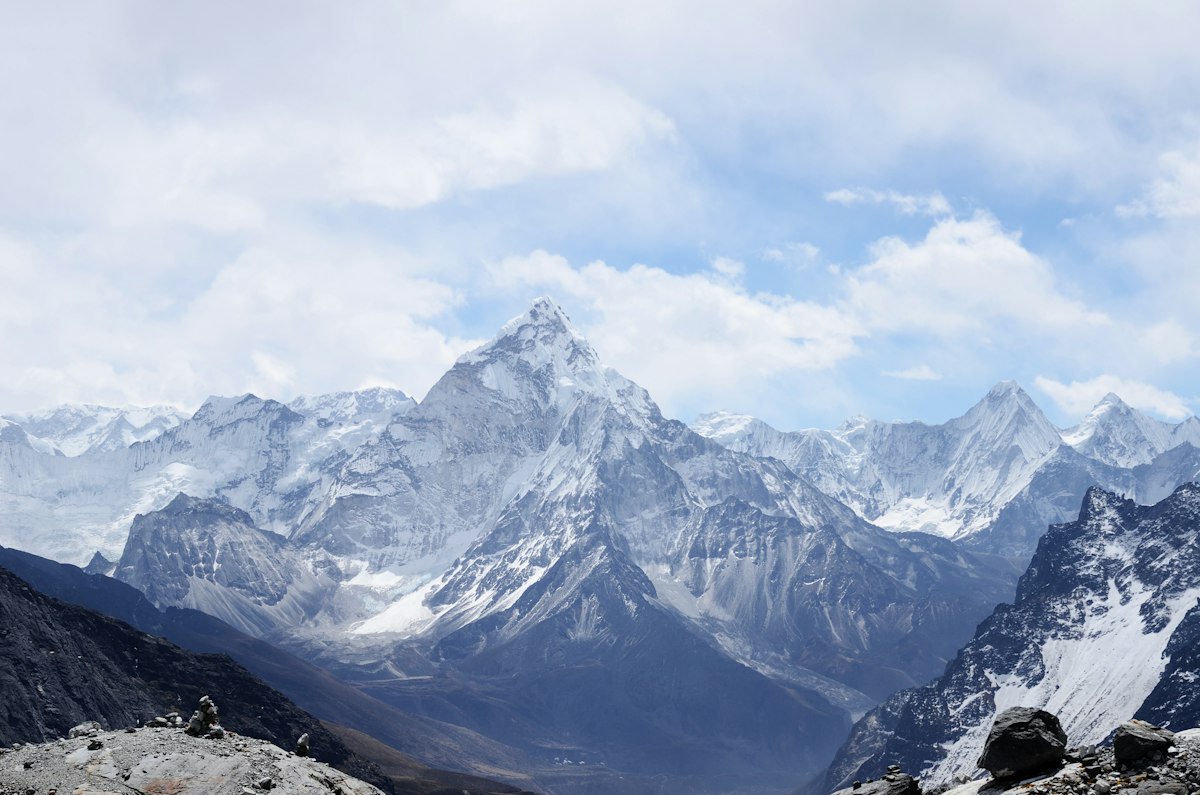
Skiing in Patagonia didn't start with chairlifts and groomed runs. It started with European immigrants, wooden skis, and a mountain landscape that reminded them of home. The story of how Argentina's Andes became a skiing destination stretches back over a century and involves military expeditions, visionary town planners, and a culture that embraced winter rather than hiding from it.
The European Roots
Bariloche's connection to skiing begins with the waves of Swiss, German, and Austrian immigrants who settled in the Lake District in the late 1800s and early 1900s. They arrived to find a landscape that looked remarkably like the Alps â glacial lakes, dense forests, and snow-capped peaks stretching to the horizon. Naturally, they brought their winter traditions with them.
By the 1920s and 1930s, informal ski clubs had formed in Bariloche. Residents would hike up the lower slopes of what is now Cerro Catedral on handmade wooden skis, carving turns through the lenga beech forests. There were no lifts, no grooming, and no trail maps â just the mountain and whoever was willing to climb it.
The Birth of Cerro Catedral
The transformation from backcountry pastime to organised resort began in the 1930s when the Argentine government, under the influence of architect and urban planner Alejandro Bustillo, began developing Bariloche as a tourism destination. Bustillo designed the iconic Llao Llao Hotel and several civic buildings in Bariloche's distinctive alpine style.
Cerro Catedral got its first ski lift in 1938, making it one of the oldest ski resorts in South America. The mountain was named for the cathedral-like rock spires at its summit, and the early infrastructure was modest â a single T-bar serving a handful of runs. But it was enough to establish Bariloche as Argentina's ski capital.
Through the 1950s and 1960s, the resort expanded steadily. More lifts were added, a base village began to take shape, and the Argentine ski team started training on Catedral's slopes. The resort hosted its first international competitions, putting Patagonian skiing on the map for the global ski community.
Military Mountaineers and Backcountry Pioneers
Argentina's military played a surprising role in the development of Andean skiing. The Mountain Brigade, based in the Andes, trained soldiers on skis for border patrol and high-altitude operations. These military mountaineers explored remote valleys and peaks throughout the Andes, and many of them became the first generation of professional ski guides and instructors after their service.
The tradition of backcountry skiing in Patagonia owes much to these early explorers. They mapped routes through Nahuel Huapi National Park, established refugios (mountain huts) for ski touring, and developed the avalanche knowledge that Andean guides still draw on today.
The Growth of Regional Resorts
Cerro Catedral wasn't alone for long. Throughout the second half of the twentieth century, ski areas sprouted across the Argentine Andes:
- Cerro Chapelco near San MartÃn de los Andes began operating in the 1970s, offering a more intimate alternative to Catedral with stunning views of Lago Lácar.
- Cerro Castor opened near Ushuaia in 1999, claiming the title of the world's southernmost ski resort.
- Las Leñas launched in 1983 in Mendoza province, purpose-built as Argentina's answer to European mega-resorts, with some of the most challenging terrain in South America.
- La Hoya near Esquel and Cerro Bayo in Villa La Angostura developed as smaller, family-friendly alternatives.
Each resort brought its own character. Las Leñas attracted expert skiers with its steep chutes and above-treeline terrain. Chapelco drew families and intermediates with its groomed runs and village atmosphere. Together, they gave Argentina a network of ski areas spanning over 2,000 kilometres of Andean terrain.
The International Discovery
For decades, Patagonian skiing was largely an Argentine and South American affair. That began to change in the 1990s and 2000s as international skiers discovered that June through September offered genuine winter conditions south of the equator â and that Argentine ski areas delivered surprisingly good snow, dramatic scenery, and a fraction of Northern Hemisphere prices.
The rise of heli-skiing in the Andes in the early 2000s brought a new wave of international attention. Operators began offering expeditions into the vast, untracked terrain of the Patagonian backcountry, and word spread through the global ski community that this was something different â raw, remote, and genuinely uncrowded.
Today, the Argentine ski season draws visitors from the US, Canada, Europe, and Australia. Many come specifically because the season runs opposite to the Northern Hemisphere, allowing them to ski year-round. Others come for the unique combination of world-class skiing and Argentine culture â the asado, the wine, the warmth of the people.
What the Future Holds
Patagonian skiing continues to evolve. Cerro Catedral has invested in modern high-speed lifts and snowmaking. New backcountry operations are opening access to terrain that was previously reachable only by multi-day expeditions. And a growing community of international skiers is discovering what Argentine families have known for generations: that these mountains are special.
The spirit of those early European settlers â the ones who looked at the Andes and saw home â still runs through every aspect of skiing here. It's in the refugios, the guide culture, the long lunches, and the respect for the mountain. That history isn't just background. It's what makes skiing in Patagonia feel different from anywhere else in the world.
Want to experience this history firsthand? Let our team plan your Patagonian ski trip.