How to Ski Wind Crust and Hard Snow in Patagonia: Technique That Works
Wind crust and wind slab are common in Patagonia. Here is the technique, ski setup and terrain choice that make hard, wind-affected snow skiable.
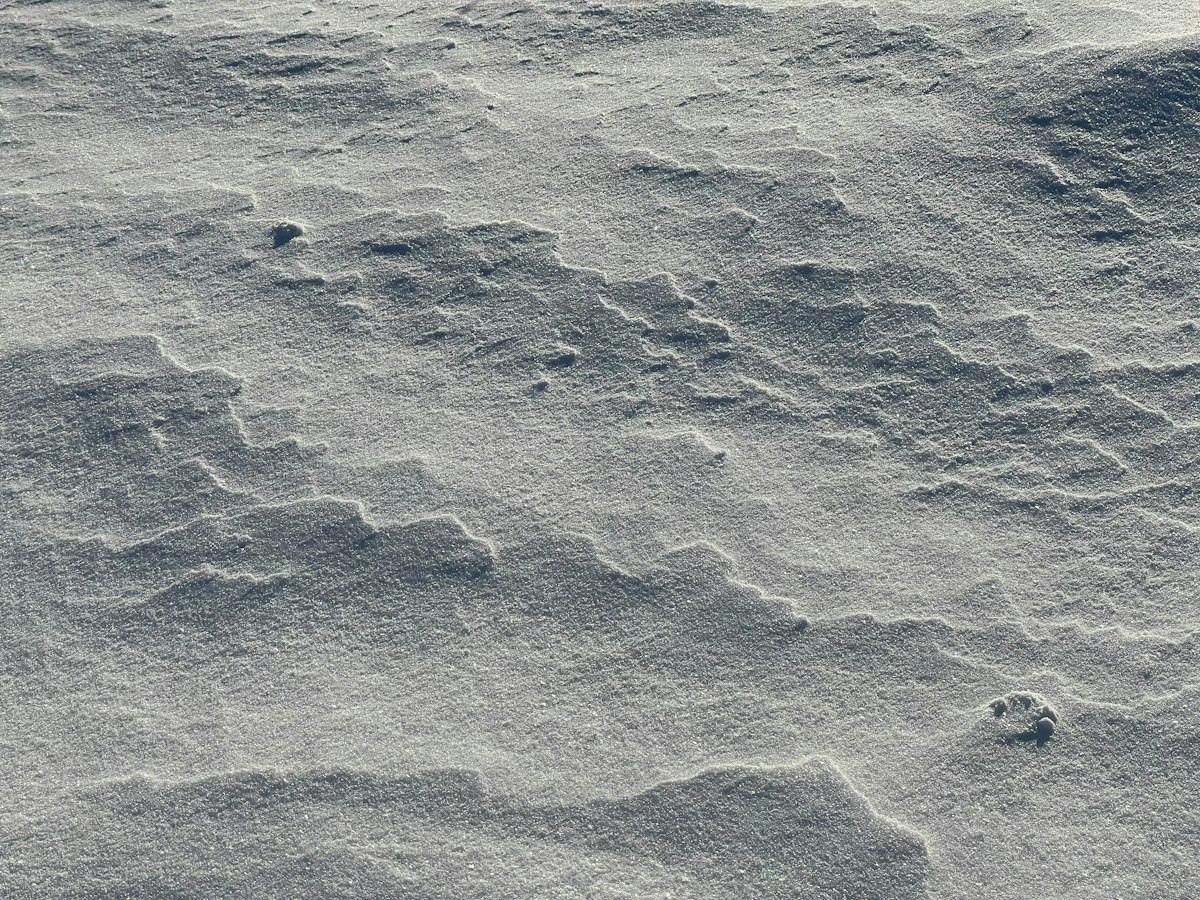
Wind-affected snow in Patagonia is skiable if you slow down, keep your weight centered and make rounder turns, because a hard crust or wind slab punishes speed and rewards patience. Strong westerlies strip and pack the surface on exposed ridges, so the same run can be soft powder in the trees and a stiff, sound-hollow slab above 1,800 m. Learn to read the surface from the chairlift, and you can pick the right line and the right technique before you reach the top.
What is wind crust and why does Patagonia have so much of it?
Wind crust is a thin, hard layer formed when strong wind packs surface snow into a firm skin, and Patagonia gets it because the Andes sit directly in the path of the westerly winds from the Pacific. Gusts of 60 to 90 km/h are common on exposed ridges at Cerro Catedral, and they move snow from windward slopes onto lee slopes.
You will meet three surfaces most often:
- Wind crust: a thin skin you can break through with a ski pole, with softer snow underneath
- Wind slab: a thicker, denser layer (often 10 to 40 cm) that feels like styrofoam and can be an avalanche hazard on steep terrain
- Sastrugi: hard ridges carved by wind, usually 5 to 20 cm tall, found on open ridges and above the treeline
We cover how wind shuts lifts in our Patagonian wind guide; this post is about how to ski what the wind leaves behind.
How do you tell which snow you are looking at?
Look at color and texture before you drop in. Matte, dull white snow is usually soft. Shiny, glazed or rippled snow is hard. Ripples that look like fish scales or waves mean wind has been at work.
From the lift, watch other skiers. If they are skidding and chattering, the surface is firm. If their skis sink and bounce, it is soft. Tap the snow with a pole: a hollow, drum-like sound means slab. On a guided day, we test with a pole and a ski cut before we commit. Never ski wind slab on a steep slope without a guide and avalanche gear; see our avalanche safety guide.
What technique works best on crust?
Slow your turn rhythm and keep your skis closer together. On crust, the old advice to ski fast fails. Aim for 3 core habits:
- Stay centered. Keep your weight over the middle of your boots, not back. A backseat stance makes the tails catch and throws you forward.
- Round the turn. Make a long, smooth arc instead of a quick pivot. Skidding the tails on a hard crust can bounce you out of the turn.
- Use both skis. In powder you can load both skis equally; in crust, keep a slight bias to the downhill ski for edge hold.
Pole plants matter more here than anywhere. A firm plant gives rhythm and balance, and it lets you time the unweighting. Expect to get thrown around a little on your first day; this is normal.
Which skis and settings help?
Wider skis (95 to 110 mm underfoot) float better in the soft layer under the crust, while narrower skis (80 to 90 mm) bite better on hard snow. For a typical Patagonia trip, something around 90 to 100 mm underfoot is a good compromise.
Keep your edges sharp. Wind-hardened snow is closer to ice than to powder, and dull edges slide. If you rent, ask the shop to tune your edges the night before; rental staff will often do it for a small fee. Our post on whether to rent skis in Argentina covers what to ask for.
Where do you find the best snow after a windy day?
Look for sheltered terrain. Wind scours exposed ridges, and drops snow into gullies, tree glades and the lee side of ridgelines. At Catedral that often means the lenga forest runs on the lower flanks, where trees hold the snow in place.
Our guides plan wind days around three rules: start in the trees, move to open slopes once the sun has softened the surface (usually after 11 am), and avoid exposed ridges until you have checked them. For a deeper look at those runs, see our guide to tree skiing in the lenga forests. If you want a guide who reads this terrain daily, our off-piste experiences are built around it.
What if the crust is too hard to ski?
If the surface is boilerplate, ski the groomers and wait. Early morning corduroy is often the best surface on a windy day because grooming machines work through the night; our post on corduroy mornings at Cerro Catedral shows where to go.
Some days the right answer is not to ski the top. Take a lower lift, have a long lunch, and return when the sun has softened the surface. Pride is the main thing that gets people hurt on crust. A day of long, easy turns on a groomer is better than a twisted knee.
Frequently Asked Questions
Is wind crust dangerous? Crust itself is mostly an annoyance, but wind slab on steep terrain can release as an avalanche. Stay on marked runs unless you are with a guide who has tested the snowpack.
What is the best ski width for Patagonia? Most skiers do well on skis 90 to 100 mm underfoot, which handle both soft snow and firm wind-affected surfaces.
How do I stop my tails catching on crust? Keep your weight centered, not back, and make rounder turns with less skidding. Looking ahead at the next patch of snow also helps.
When does wind crust soften? Sun softens east and north-facing slopes by late morning, usually after 11 am. Shaded slopes can stay hard all day.
This guide was written by the Ski Patagonia Co. team, based on guiding seasons at Cerro Catedral and a lot of Patagonian wind days.
If you would like a guide to choose your terrain on windy days, plan your trip with us and we will match the mountain to the conditions.
Hero photo by Mihly Vereb on Unsplash