Patagonian Lamb, Trout and Game: The Regional Dishes to Eat Beyond Asado
A guide to Patagonian regional food beyond asado: cordero al palo, lake trout, venison, wild boar and calafate desserts around Bariloche.
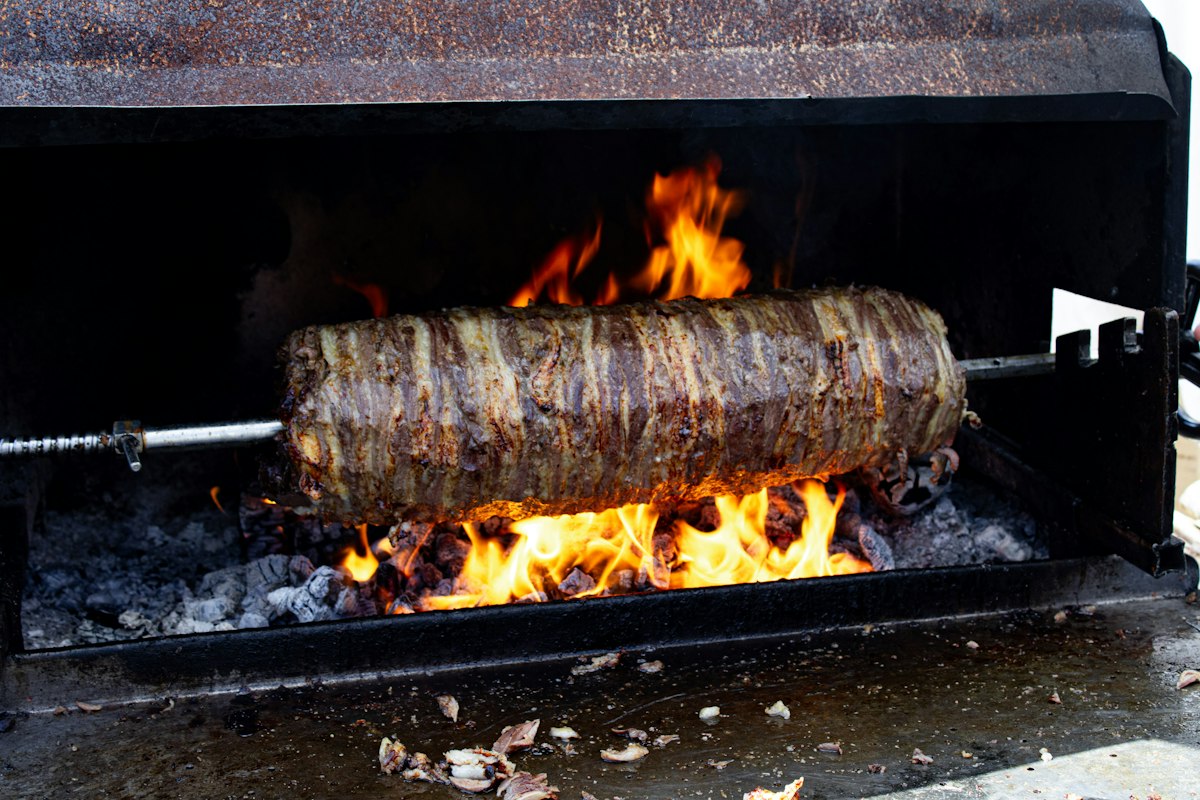
The classic dishes of Patagonia beyond asado are cordero patagonico (slow-roasted lamb), trucha (lake trout), ciervo (venison), jabali (wild boar) and rosehip and berry desserts. You will find them on menus in Bariloche, San Martin de los Andes and Villa La Angostura, usually priced between $15 and $35 USD for a main course. Order them after a ski day and you will taste the region in a way a steak alone cannot give you.
What is cordero patagonico and why do locals love it?
Cordero patagonico is lamb raised on the Patagonian steppe and traditionally cooked al palo, splayed on an iron cross beside an open fire for three to five hours. The result is tender, smoky meat with a crisp skin and very little seasoning beyond salt.
Many Bariloche restaurants serve it by the half portion, enough for two. If you have already read our asado guide, think of lamb al palo as the slower, more regional cousin.
Which lake fish should you try in Bariloche?
Trucha, or trout, from the lakes around Nahuel Huapi is the fish to order, and rainbow and brown trout are the two common types. It is usually served grilled, pan-fried with butter and almonds, or smoked on a board with bread and pickles.
Smoked trout and venison platters are a staple of the region's cold-weather menus. For another side of lake culture, see our post on fly fishing on rest days.
What game meats are traditional in Patagonian restaurants?
Venison (ciervo) and wild boar (jabali) are the traditional game meats, both introduced to the region in the early 20th century and now common on local menus. Venison is lean and gamey, often served as a steak or in a stew with red wine.
Wild boar appears as sausage, smoked ham or a slow braise. If you are cautious, start with a smoked platter that offers small portions of each.
What should you drink with Patagonian food?
Patagonian pinot noir, malbec and local craft beer pair best with these dishes. The cooler climate of Rio Negro and Neuquen produces fresher, lighter reds than Mendoza, which suit lamb and venison well.
- Pinot noir: grilled trout and smoked platters
- Malbec: lamb al palo and game stews
- Craft IPA or stout: smoked meats and cheese boards
- Hot chocolate or cafe cortado: dessert and rest days
Our wine guide and craft beer guide go deeper.
What desserts and local sweets are worth trying?
Rosehip and wild berry preserves, known locally as dulces, are the signature Patagonian sweets, and they are served with cheese, cream or pancakes. Bariloche is also famous for chocolate, which you can read about in our chocolate culture post.
The calafate berry, a dark native fruit, shows up in jams, ice cream and cocktails. An old local saying holds that anyone who eats calafate will return to Patagonia.
Where do you find these dishes around Cerro Catedral?
You will find them in Bariloche town, at lodges around Lago Gutierrez and Lago Moreno, and in a few mountain refugios. Mid-mountain lunch menus are simpler, so save the lamb and trout for dinner.
See our mountain lunch guide for on-mountain options, and remember dinner usually starts late, as explained in our dinner times post.
Which Patagonian dishes are easy to miss on a menu?
Several regional dishes hide under local names, so it helps to know the vocabulary before you sit down. Ask the waiter what is fresh that day, because the best plates change with the season and the catch.
- Cazuela de cordero: a lamb stew, often served in a clay pot on cold nights.
- Empanadas de cordero: small baked pastries filled with minced lamb, a good lunch near the lifts.
- Provoleta: grilled provolone cheese, usually the starter that arrives before the main.
- Ahumados: smoked platters of trout, venison, boar and cheese, ideal for sharing.
- Locro: a hearty corn and meat stew more common on national holidays.
Most restaurants will happily split a plate, so two people can try three or four dishes in one sitting. Portions in Bariloche are generous, often larger than a North American or European main, so share before you order a second round.
How should you plan a food-focused ski week?
Plan one regional dinner every second ski day, and book popular restaurants a day ahead in July. That keeps your legs fresh and your table secured.
A sample rhythm: lamb on night two, trout on night four, a venison platter on night six. Our rest day guide shows how to fit this around skiing.
Frequently Asked Questions
Is Patagonian food spicy? No. Patagonian cooking is mild and relies on smoke, salt and fresh herbs rather than chili.
Can vegetarians eat well in Bariloche? Yes, but ask ahead. Many restaurants offer pasta, trout-free vegetable dishes and cheese boards.
How much should I budget for a regional dinner? Plan on $25-$60 USD per person including a glass of wine, though prices vary by restaurant and exchange rate.
Do I need a reservation? In July and on weekends, yes. Our experiences for groups include table bookings for larger parties.
This guide was written by the Ski Patagonia Co. team, based on many seasons of eating our way through the lake district after guiding days at Cerro Catedral.
Want a ski week that includes the best tables in town? Plan your trip with us and we will book them.