Mapuche Names and Heritage Around Bariloche: What Nahuel Huapi and Other Place Names Mean
Mapuche heritage in Bariloche explained: what Nahuel Huapi, Bariloche and other place names mean, and how to learn more on a rest day.
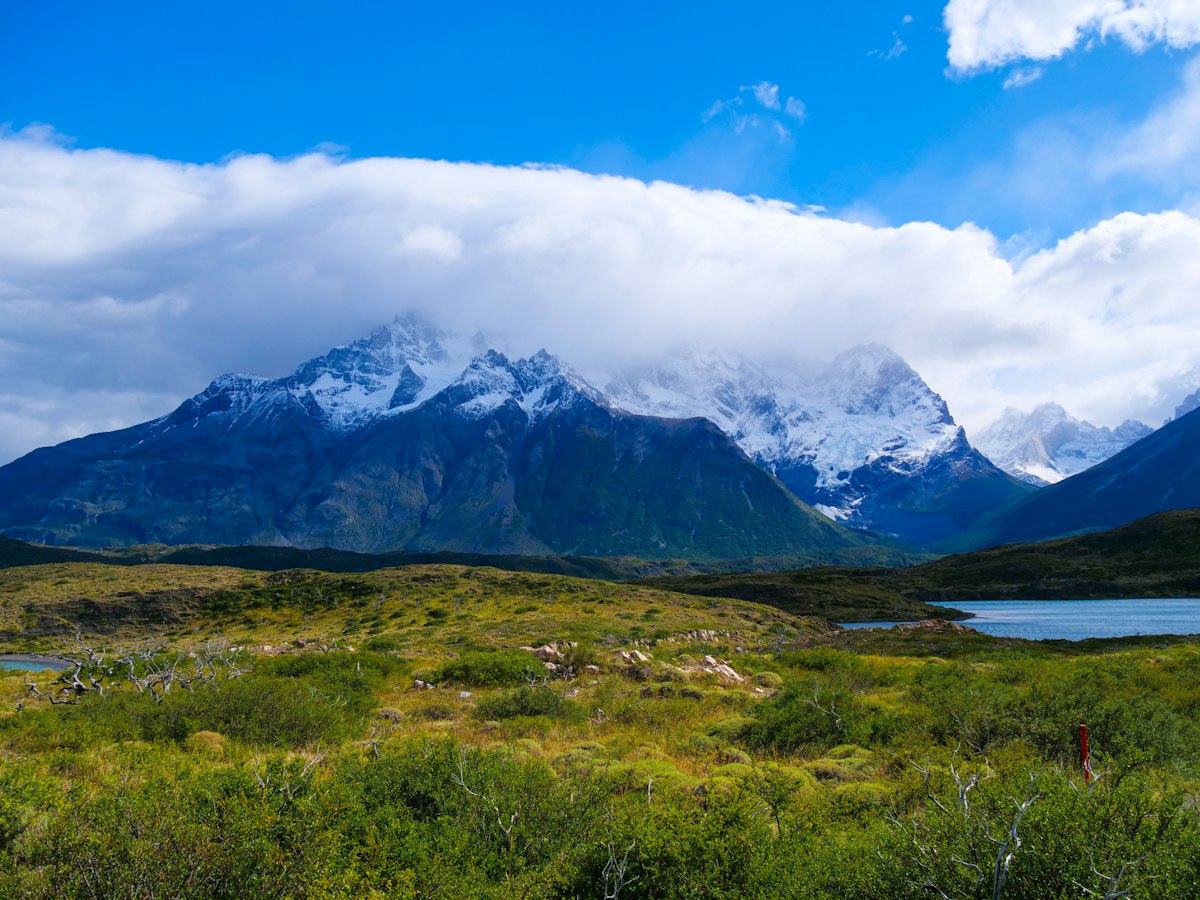
The mountains and lakes around Bariloche carry Mapuche names and Spanish ones side by side, and knowing the meaning behind them changes how a ski trip feels. Nahuel Huapi, the lake at the foot of Cerro Catedral, is usually translated as "jaguar island" from Mapuche, and Bariloche itself is commonly traced to the Mapuche word Vuriloche, "people from behind the mountain". The Mapuche and Tehuelche peoples lived in this region long before the first ski lift was built in the 1930s and 1940s.
Quick Answer: Mapuche heritage around Bariloche
- Nahuel Huapi: usually translated as "jaguar island" (nahuel = jaguar or tiger, huapi = island)
- Bariloche: commonly traced to Vuriloche, "people from behind the mountain"
- Nahuel Huapi National Park: created in 1934, Argentina's first national park, covering about 7,100 square km
- Best place to learn more: Museo de la Patagonia at the Centro Civico in Bariloche
- Time needed: a half day on a rest day, no ski gear required
What do the Mapuche names around Bariloche actually mean?
Most of the big names in the Nahuel Huapi area are Mapuche in origin, and many describe what the land looks like or what lives there. Nahuel Huapi is the best known: "jaguar island", a name that puzzles visitors because jaguars do not live in Patagonia today. Historians generally think the word referred to the island at the centre of the lake, and the animal may have been the puma or an older memory of a larger cat.
Other names you will hear on a ski trip:
- Llao Llao: the peninsula west of Bariloche, often explained as a reference to a local fungus that grows on lenga trees
- Cerro Otto: named for Otto Goedecke, a German settler, not a Mapuche name, which shows how the layers of history overlap
- Cerro Tronador: Spanish for "thunderer", named for the sound of ice falling from its glaciers, with a Mapuche name that translators render as "the mountain of thunder"
- Mapuche: itself means "people of the land" (mapu = land, che = people)
Spellings vary between sources, so treat any single translation as one reading rather than the only answer.
Who were the first people to live around Cerro Catedral?
The Tehuelche and the Mapuche were the main peoples of this region before European settlement, and they used the valleys on both sides of the Andes for hunting, trade and seasonal travel. The Tehuelche were hunter-gatherers who ranged across the steppe to the east, and the Mapuche, who also lived in Chile, moved across the passes to trade livestock, textiles and silver work.
The Andes were never a hard border for them. The same passes that skiers cross on a day trip to the Chilean side were trade routes for centuries. After the military campaigns of the late 1870s and 1880s, known in Argentina as the Conquest of the Desert, many Indigenous communities lost their land, and the town of Bariloche was founded in 1902. Mapuche communities remain in Rio Negro Province today, and several run cultural projects open to visitors.
Where can a skier learn about Mapuche culture in Bariloche?
The easiest place is the Museo de la Patagonia Francisco P. Moreno, in the Centro Civico, which covers natural history and the Indigenous peoples of the region. A visit takes about 90 minutes and costs a few US dollars, which makes it a good rest-day or wind-day plan.
Other options, depending on the season and on what communities currently offer:
- The Centro Civico itself, to see the stone and timber architecture and the lake view
- Craft shops selling Mapuche textiles and silver jewellery, where it is worth asking who made the piece
- Cultural tours run by Mapuche communities outside Bariloche, which should be booked directly and in advance
- Cultural centres in Villa La Angostura and San Martin de los Andes, which sit on the same lake system
Ask before you photograph people, and buy directly from makers where you can. A cheap souvenir copy helps nobody.
How did this heritage shape the ski area?
The ski industry here grew on top of Indigenous land, and the names stuck even where the history was not told. Argentina's first national park was created in 1934 around the Nahuel Huapi lake area, and Cerro Catedral developed as a ski mountain in the same years that German, Swiss and Austrian immigrants were building the alpine look of Bariloche. Our guide to why Bariloche looks like the Alps covers the European layer. The Mapuche layer is older and less visible, which is exactly why it is worth looking for.
Spanish and Mapuche names often share a map. A run, a refugio or a viewpoint may carry a Spanish name while the lake below it carries a Mapuche one. Our guides at Cerro Catedral point this out on the chairlift when guests ask, and most guests do.
How do you use this on a ski trip without making it a lecture?
Keep it light and short. On a 7-day trip, one half day is enough, and it fits best on the day the wind closes the upper lifts. Our post on what to do on a wind day lists other options, and the museum sits well alongside them.
A simple plan for a rest-day morning:
- Walk the Centro Civico and the lakeshore at 10:00, before the tour buses arrive
- Spend 90 minutes in the Museo de la Patagonia
- Have lunch in town, then a hot chocolate on Mitre street
- Return to the hotel for a late-afternoon sauna, as covered in our sauna and hot-bath culture guide
Frequently Asked Questions
What does Nahuel Huapi mean? It is usually translated as "jaguar island" from Mapuche. The exact origin is debated, and some sources suggest the animal was the puma.
Is Bariloche a Mapuche name? Most sources trace it to the Mapuche Vuriloche, "people from behind the mountain", meaning people living on the other side of the Andes from the speaker.
Can I visit a Mapuche community near Bariloche? Some communities offer visits and cultural experiences, but these change from year to year and should be booked directly. Ask us when planning your trip and we will point you to current options.
Do I need to speak Spanish for the museum? No. The Museo de la Patagonia has Spanish signage, and some displays include English, but a guide or audio app helps.
This guide was written by the Ski Patagonia Co. team, based on many seasons of guiding at Cerro Catedral and years of living in Bariloche year-round. We are not Mapuche historians, and where sources differ we have said so.
If you would like a rest day built around local culture, or a trip that fits the mountains and the town together, our custom experiences are designed around exactly that. Start with Plan My Trip and tell us what you want to see off the mountain.
Hero photo by Florian Dele on Unsplash