Sauna and Hot-Bath Culture in Bariloche: Where Skiers Warm Up After the Lifts Close
Bariloche has a quiet but real sauna and hot-bath circuit. Here is how skiers fit it into the evening rhythm of a Patagonia ski trip.
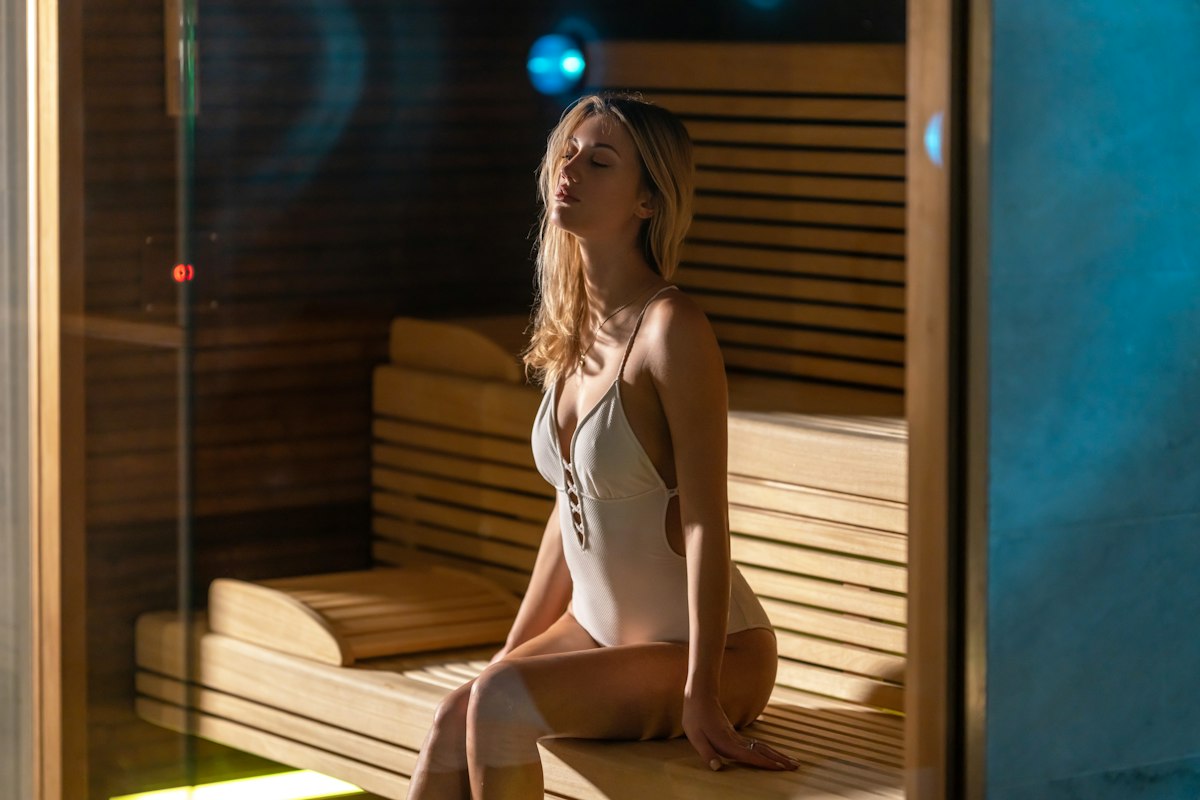
Argentine ski culture has its loud parts -- the asados, the late dinners, the long after-ski beers at the foot of Cerro Catedral. What gets less press, and what regular Patagonia skiers come to plan their evenings around, is the quieter ritual on the other side of dinner: the sauna and hot-bath circuit that has grown up around Bariloche over the last decade.
This is not a Finnish import dressed up in Andean branding. It is a slowly evolving local thing -- part European spa tradition (Bariloche's founders came from German and Swiss alpine towns), part Mapuche thermal-bath history, part the modest hotel-sauna culture that any cold-climate ski town eventually develops. If you know where to look, it is one of the better reasons to extend an evening in town after the lifts close.
Why Bariloche Has a Sauna Culture at All
The town's first hotels -- built in the 1930s and 1940s by Swiss, German, and Slovenian immigrants -- copied the wet-and-dry sauna setups from the Alps almost beat for beat. The Llao Llao Hotel, the most famous of them, has had a hotel sauna since the original 1939 construction. The pattern spread. By the late 20th century, most of the larger Bariloche hotels included a small sauna in the spa, almost always undersold in the marketing because Argentine travelers historically didn't ask about it.
That has shifted. As the wellness category has grown across South America, a wave of newer properties opened with proper banya-style or Nordic-style setups -- wood-burning sauna, cold-plunge, snow exposure on the deck -- and a handful of dedicated thermal spas opened outside the hotel category entirely.
You'll also hear the word "banos termales" used for natural-source thermal baths. Strictly speaking, Bariloche doesn't have on-site thermal springs -- the nearest serious ones are a few hours away -- so what's locally on offer is heated water rather than geothermal water. The experience is similar. The chemistry is not.
The Three Common Formats
Bariloche evening soaking falls into three rough buckets and it's worth knowing which one a given venue is.
The first is the in-hotel spa -- a small wet sauna or dry sauna paired with a heated pool, usually free for guests, sometimes open to non-guests for a day pass. These are convenient and consistent. They are not destinations. Llao Llao, Charming Luxury Lodge, El Casco Art Hotel, and most of the larger downtown hotels operate at this level. If you're already staying at one, use it.
The second is the dedicated wellness center -- purpose-built spa facilities with multiple sauna types, cold-plunge tanks, heated pools, treatment rooms, and a real schedule of group sauna sessions. These exist as standalone businesses and they take reservations. The two best known in town are clustered along Avenida Bustillo at kilometer markers 7 and 12, both with lake views and a real sense of design intent.
The third is the lake-and-snow ritual at private cabins and small lodges, particularly along the Circuito Chico and the Lago Gutierrez side. These are not always advertised. A few small inns build their entire winter offering around it -- wood-burning sauna, lake access for the cold plunge in summer, a snow plunge in winter, a small bar and a quiet dinner afterward.
The Local Rhythm
The Bariloche evening tends to compress. Lifts close around 5 PM. Most international skiers head back to town and intersect with locals around 7. Dinner doesn't really start until 9 -- earlier in winter than in summer, but still later than most North Americans expect.
The sauna fits naturally in the 6 to 8:30 window. You finish your ski day, return to your lodging, drop the gear, take 90 minutes for sauna and a cold plunge and a slow walk back, then head to dinner. The biggest mistake we see is people trying to add the sauna after dinner -- the kitchens close late, the venues do not, and the order matters for both digestion and sleep.
If you're staying at a hotel with its own spa, the easiest pattern is to book a 7 PM slot the moment you check in. If you're using a standalone facility, book 24 hours ahead in high season. Both categories are also open early mornings -- 7 AM to 9 AM is a quieter, locals-heavy window that pairs unexpectedly well with a slower late-start ski day.
What to Bring (and Skip)
Most facilities provide robes, slippers, and a towel. Bring your own swimsuit -- most Bariloche venues are mixed-gender and swimsuits are expected. Bring a small water bottle. Skip jewelry, watches, and anything plastic that will warp in the sauna.
A small thing that catches first-timers out: the cold plunge water in Bariloche venues is genuinely cold. The standalone wellness centers run their plunges between 4 and 8 degrees Celsius, which is what makes the contrast actually work. If you've only used American spa cold plunges in the 12-to-15 range, mentally prepare. Three breaths in, exit, repeat. Don't try to win.
Why It Pairs Well with a Ski Trip
Skiing is hard on the body in a way most international visitors underestimate. The combination of altitude (Cerro Catedral peaks around 2,100 meters), longer days, and unfamiliar terrain means most skiers arrive at the third or fourth day with sore quads and a stiff lower back. A 90-minute sauna and cold-plunge session midweek does more for ski-day-five performance than any of the recovery devices marketed at skiers.
If you want a more structured approach, see our companion piece on yoga and recovery on a Patagonia ski trip. A lot of our repeat guests use the sauna circuit as their version of an active rest day.
This is also one of the few parts of a Bariloche trip that works equally well for the skiers and the non-skiers in your group. Our non-skier's guide to Bariloche winter covers the broader options, but the spa circuit is the easiest place for a mixed group to reconvene at the end of a day.
A Few Things to Know
A handful of practical notes from guests who've worked this into their trips.
Reservations are real. The best 7 PM slots at the standalone wellness centers in July and August are often booked two to three days ahead. Same-day walk-in works in shoulder season, not in school holiday weeks.
Cash works better than card at the smaller lake-side lodges. The wellness centers on Bustillo take card without issue.
Some venues offer guided sauna rituals -- a staff member runs the temperature, leads breathing cycles, and times the cold-plunge intervals. If you've never done a structured banya session, book one of these for your first visit. The flat-rate pricing usually includes the guided session.
Do not try to combine a serious sauna session with a heavy wine night. Hydrate and time things sanely. Our Patagonia wine and ski trip is a separate planning conversation.
Plan Your Trip
We build sauna and recovery time into most of our longer Patagonia ski itineraries -- particularly for guests on six-night-plus trips and groups with a wide mix of ski abilities. If this is something you want woven in, mention it when you plan your trip and we'll pre-book the right venue for the right night. Our custom trips handle this routinely.