Patagonia Wine and Ski: Pairing the Best Argentine Wines With Your Ski Trip
Argentina is the world's fifth-largest wine producer, and the vineyards run from Mendoza all the way down into Patagonia. Here's how to combine excellent wine with your ski trip, from the bottles to drink in Bariloche to the regions worth visiting on either end.
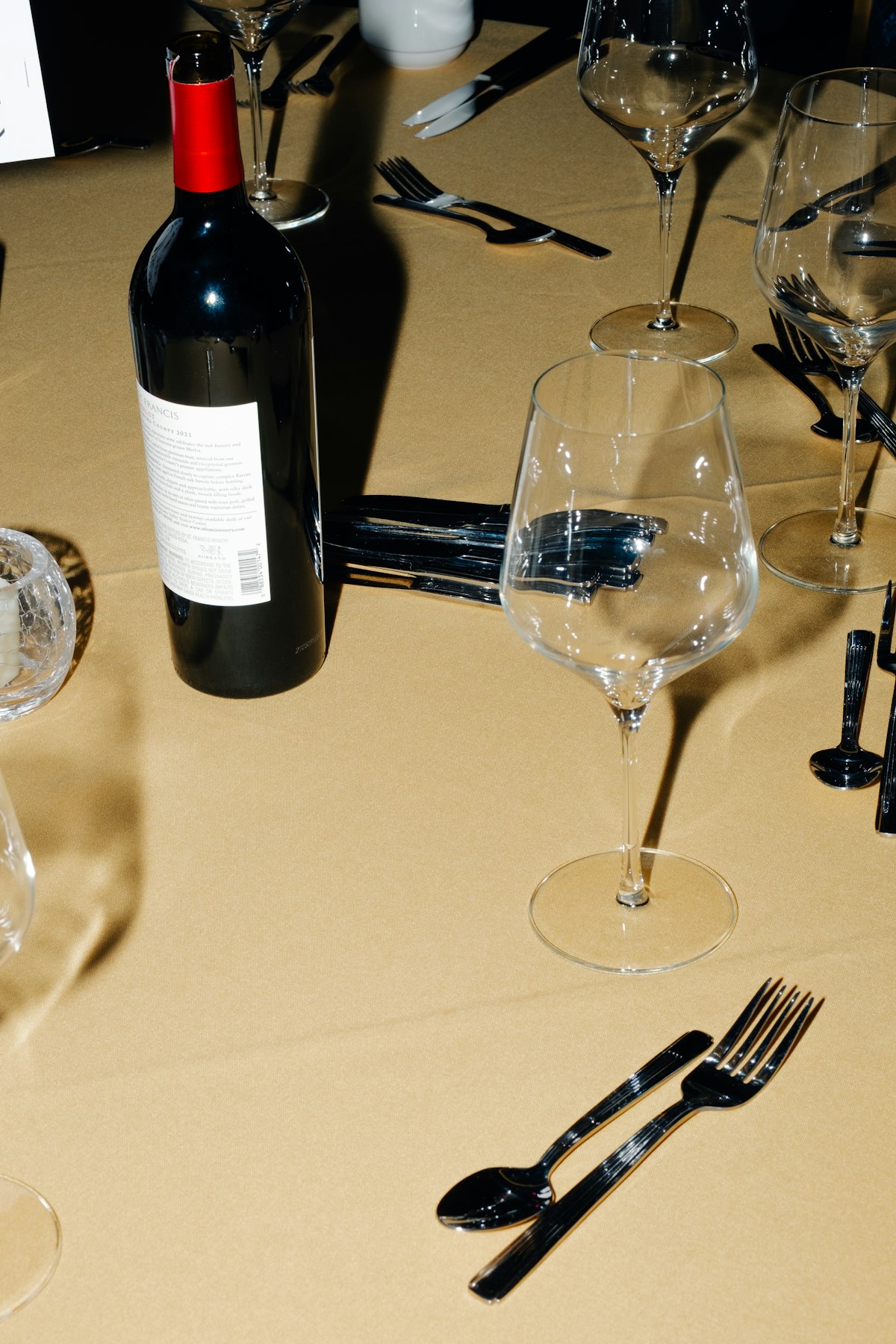
One of the best parts of skiing in Argentina is what happens after the lifts close. Every wine list in Patagonia is full of bottles you can't easily find at home -- bold Mendoza Malbec, surprisingly elegant Patagonian Pinot Noir, crisp white Torrontes from the high-altitude north -- and most of it costs less than half what an equivalent wine would cost in a US or European ski town. Combining wine with skiing is one of the easiest ways to get more out of an Argentine ski trip, and it's surprisingly easy to add a wine-focused day or two to a Patagonian itinerary. Here's what we recommend after planning ski trips for international guests for years.
Why Argentine Wine Belongs on Every Ski Trip Itinerary
Argentina is the fifth-largest wine producer in the world and is the largest in South America. The country has serious wine heritage, world-class terroir, and prices that are very forgiving for anyone arriving with US or European money. A wine that costs USD 80 in a New York restaurant might land at USD 25 on a Bariloche wine list. The most famous wine region is Mendoza, in the Andes foothills 1,200 km north of Bariloche, but there are excellent wineries deep in Patagonia as well. The combination of cool mountain air, clean water, dramatic elevation differences, and dry growing seasons produces wines that pair naturally with the food culture you'll encounter at every resort -- grilled meat, lamb, mushrooms, hard cheeses. If you're flying internationally for a ski trip and not building wine into the experience, you're leaving value on the table.
The Three Wine Regions Worth Knowing
Mendoza is the giant -- 70 percent of Argentine wine production. The famous sub-regions are Lujan de Cuyo (the historic heart, classic Malbec), Maipu (everyday wines and the older bodegas), and the Uco Valley (high-altitude, the modern superstars at 1,000-1,500m elevation). Mendoza is well worth a 2-3 day visit before or after skiing if your trip touches that side of Argentina. Patagonia has two wine regions of its own. The Alto Valle del Rio Negro -- around General Roca -- is the older Patagonian region and produces excellent Pinot Noir and Merlot at relatively low elevation but high latitude. Further south, the small but rising region around San Patricio del Chañar in Neuquen is producing Pinot Noir and Chardonnay that compete with Burgundy in blind tastings. Most international visitors don't make it to either Patagonian wine region, which is a shame -- both are within driving distance of the major ski resorts and almost no one knows about them.
What to Order on a Bariloche Wine List
If you're only in Bariloche for ski days and not visiting a wine region, here's what to look for. For red wines: a Malbec from the Uco Valley (look for producers like Catena Zapata, Achaval Ferrer, or Zuccardi Aluvional), or a Pinot Noir from Patagonia (Bodega Chacra is the headline producer -- biodynamic, expensive, exceptional). For whites: Torrontes from Salta or Cafayate (high-altitude, aromatic, perfect with empanadas at lunch), or a Patagonian Chardonnay if the list has one. Sparkling wines from Mendoza's high-altitude sub-regions are also exceptional and underrated -- ask the sommelier for an extra brut from the Uco Valley. Order by region and grape, not just by price -- the best value is in the USD 30-60 range, where the wines are excellent and you're getting bottles that would be three times the price elsewhere.
A Wine Day in Mendoza Before or After Skiing
If your itinerary touches Mendoza -- which it does if you ski Las Lenas, since you fly through Mendoza International -- spend at least one full day in the wine country. The most accessible cluster is in Lujan de Cuyo, 30-45 minutes from Mendoza city, where you can visit three bodegas in a day with a private driver. Catena Zapata's Mayan-pyramid-style bodega offers excellent tours and a serious tasting; Bodega Lagarde produces a beautiful organic Malbec; Achaval Ferrer is a smaller producer with extraordinary single-vineyard wines. For a more immersive experience, a two-day visit to the Uco Valley with an overnight at a winery hotel like The Vines Resort or Casa de Uco is one of the most memorable add-ons we arrange for guests. Most US/European travellers haven't been to Mendoza -- the wine quality is comparable to Napa or Tuscany at a fraction of the price.
Combining Patagonian Wine With a Ski Trip
The more interesting move for skiers is visiting the Rio Negro or Neuquen wine regions in Patagonia itself. From Bariloche, the closest serious wineries are 4-5 hours by car, around General Roca and San Patricio del Chañar. This makes for a long day trip but a manageable two-day add-on at the start or end of a ski week. Bodega Chacra in Mainque (Rio Negro) is the highest-profile producer and worth the drive -- biodynamic Pinot Noir grown on old vines, served at the bodega with simple Patagonian food. Bodega Familia Schroeder near Neuquen is more accessible and runs lunch-and-tour visits. We've arranged this kind of detour for guests who want the wine experience without losing ski days; it works best as a 2-day extension on either end. The drive is scenic, the wines are exceptional, and you'll be drinking bottles almost no one outside Argentina has tasted.
What to Eat With What You're Drinking
Argentine wine is built for Argentine food, and the matches in Patagonia are particularly easy. Malbec works with grilled beef -- the more cuts, the better. Pinot Noir from Patagonia or Mendoza pairs with lamb, mushrooms, and the smoked trout that shows up on Bariloche menus. Torrontes is excellent with the empanadas you'll eat as ski day starters and with cheese boards in the late afternoon. After a day on the mountain, a long parrillada (mixed grill) with a serious bottle of Malbec is one of the best dining experiences anywhere. For more on the food side, see our guide to eating and drinking after skiing in Bariloche. The lakefront parrillas in Bariloche carry deep wine lists and the staff genuinely know the bottles -- ask for recommendations and you'll usually be steered to something excellent and well-priced.
Wines to Take Home
Most of the best Argentine wines are difficult to find outside the country, especially the small-production Patagonian and Uco Valley bottles. If you have airline allowance, take 6-12 bottles home in a wine sleeve in your checked luggage; bodegas can wrap them safely if you ask. The wines that travel best and aren't easily replaced are the small-producer Patagonian Pinot Noir, single-vineyard Malbec from the Uco Valley, and any Torrontes from Salta. The bigger commercial labels (Catena, Trapiche, Norton) are exported widely and not worth the hassle. Buying directly from the bodega usually saves 30-40 percent vs retail prices in Bariloche.
Building Wine Into Your Ski Trip
The simplest way to add wine to a ski itinerary is to dedicate one rest day to it -- whether that means a winery visit, a long tasting lunch, or a guided wine dinner with a sommelier. The richer way is to extend the trip on either end with a 2-3 day visit to Mendoza or a Patagonian wine region. We've planned both versions for groups of friends and for families where some travellers ski and others want to taste. If you want a ski trip that includes the best wine experience Argentina offers without giving up too many days on the mountain, talk to us about your dates and we'll build a week that respects both your skiing and your palate.