Club Andino and the Refugio Tradition: Mountain Hut Culture Around Bariloche
Mountain hut culture around Bariloche: the Club Andino Bariloche, Refugio Frey and what a night in a refugio is really like.
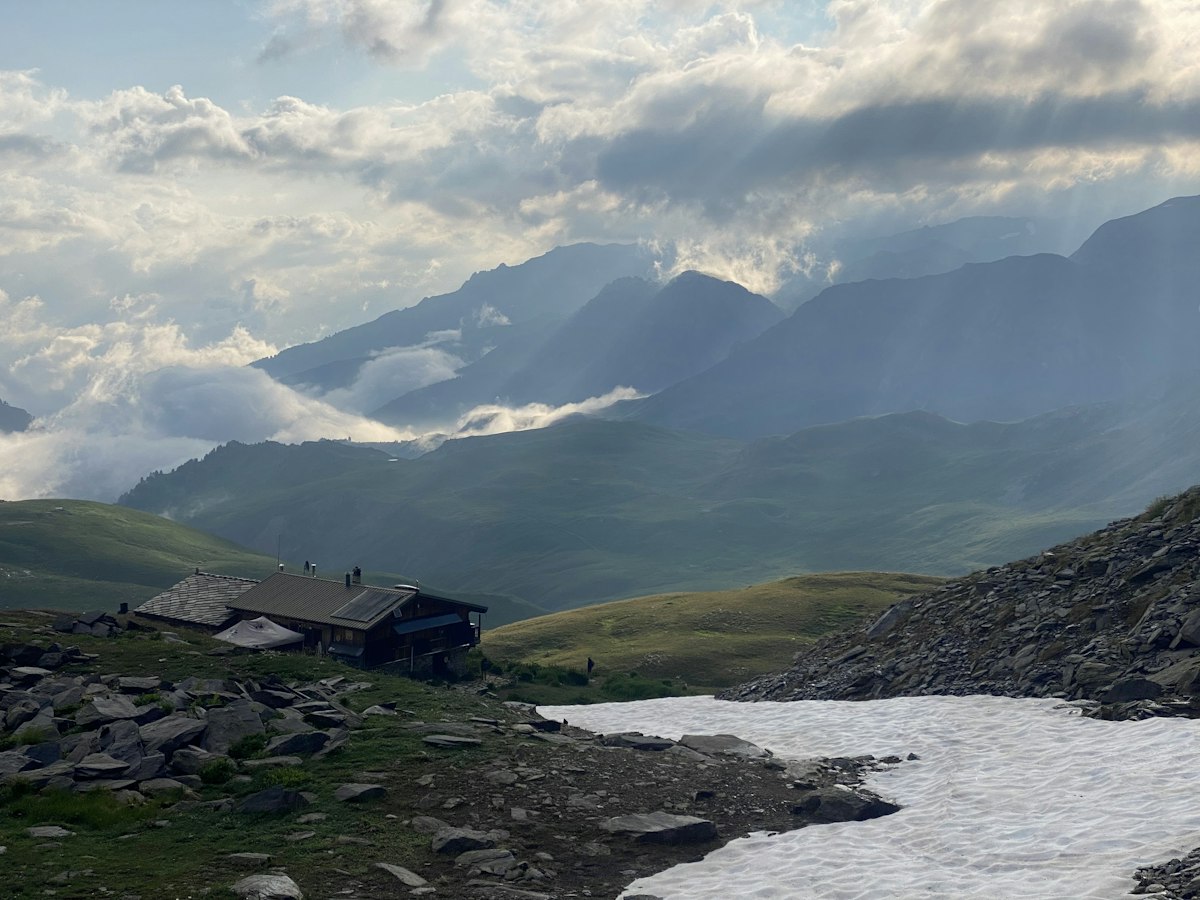
The refugio tradition in Bariloche is a culture of mountain huts, run in large part by the Club Andino Bariloche, where hikers and ski tourers eat, sleep and share maps in the high country of Nahuel Huapi National Park. Founded in 1931, the club helped build the trails and huts that still shape how locals climb and ski around Cerro Catedral and Cerro Tronador. For visitors, a refugio is the best window into mountain life that does not involve a lift ticket.
Quick Answer: Bariloche's refugio culture
- Who runs it: the Club Andino Bariloche, founded 1931, plus private hut keepers
- Best known hut near the ski area: Refugio Frey, by Laguna Schmoll
- Winter access: ski touring or snowshoeing, with a guide
- Typical stay: a bunk, dinner and breakfast, often $30-$60 USD per night
- Rule of thumb: book ahead and bring your own sleeping bag unless told otherwise
What is a refugio in Patagonia?
A refugio is a mountain hut that offers bunks, hot food and shelter to hikers and skiers in the backcountry. In the Bariloche area, refugios sit in lenga forest or on rocky ridges, usually several hours from the nearest road. They are not hotels: shared dormitories, wood stoves and long communal tables are the norm, and the owners (called refugieros) often live in the hut for the whole season.
Refugios also act as safety points. Guides and patrol teams use them for weather shelter, and the keepers can warn you about conditions that no forecast shows.
What is the Club Andino Bariloche?
The Club Andino Bariloche is the local mountaineering club, founded in 1931, and one of the oldest in Argentine Patagonia. Its members mapped and marked trails, built early huts and organised the first ski outings above Bariloche, long before Cerro Catedral had modern lifts. Today the club still maintains routes and several refugios, and it runs rescue and training programs.
To see how that history fits the wider story of local skiing, read the history of skiing in Patagonia.
Which refugios can you visit near Cerro Catedral?
The refugio most skiers know is Refugio Frey, a stone and timber hut beside Laguna Schmoll at roughly 1,700 m, in the backcountry behind Cerro Catedral. In summer it is a hike of about 3 to 4 hours. In winter, access is by ski touring or snowshoes, and avalanche awareness matters. Other huts in the area include Refugio Lopez and Refugio Jakob, which serve hikers on longer circuits.
Confirm opening dates and access rules before you plan anything, because huts open and close with the snow.
Typical refugio facilities:
- Dormitory bunks with mattresses (bring a sleeping bag or ask about rental)
- Hot dinner and breakfast, often a stew or pasta and mate
- A wood stove for drying gear
- Basic toilets, limited power and little or no mobile signal
Can you ski to a refugio in winter?
Yes, but only with proper experience, avalanche gear and, ideally, a certified guide. Winter conditions around Catedral can change within hours, and slopes above the huts can slide after storms. Our guides check the avalanche bulletin, watch recent wind loading and carry beacon, shovel and probe on every tour.
If you want to try, build up gradually:
- Learn the basics of avalanche safety
- Try a short day tour with a guide
- Add a hut night once you are comfortable with skins and transitions
- Always tell someone your route and return time
Read our ski touring beginners guide and the backcountry experiences page for options.
What is the culture around a refugio meal?
Refugio dinner is a shared meal, usually served at a communal table, and it is the heart of the culture. Expect hearty food such as lentil stew, polenta or pasta, with bread and plenty of mate. People swap route information, plan the next day and trade stories, and a guitar often appears after dinner. The mood is warm and unhurried, close to the opposite of a crowded resort lunch.
Customs that visitors should know:
- Take boots off at the door and keep your gear tidy
- Quiet time starts early, often around 22:00
- Carry out your rubbish
- Pay in cash, because card machines are rare in the hills
For another side of mountain food, see our guide to lunch at the refugios on Catedral.
When is the best time to visit a refugio?
The best time for a classic hut experience is summer, from December to March, when trails are clear and huts are fully staffed. Winter visits are possible but demand more skill. Spring, from September, can offer firm snow and long days, with lower avalanche risk on cold mornings. Compare this with the summer hiking guide for trail ideas.
Frequently Asked Questions
Do I need to book a refugio in advance? Yes. Huts have limited beds, so book ahead, especially in January, February and school holidays.
Is it safe to stay in a mountain hut? Huts are safe when you respect conditions and carry the right gear. In winter, travel with a guide.
What should I bring? Bring a headlamp, warm layers, a sleeping bag liner or bag, cash and your own snacks. Our packing list covers the basics.
Can children stay in refugios? Many huts welcome families in summer, though winter stays are better for older teens and adults.
This guide was written by the Ski Patagonia Co. team, based on many seasons of guiding around Cerro Catedral and years operating in Patagonia.
If a night in a mountain hut sounds like your kind of trip, plan your trip with us and we will arrange guides, huts and the ski days around them.
Hero photo by Luc Santeramo on Unsplash