Hiking Patagonia's Ski Mountains in Summer: What You Need to Know
Patagonia's ski resorts don't close when the snow melts -- they transform. From November to April, the same mountains that hold winter powder become world-class hiking destinations with summit trails, wildflower meadows, and lake views that rival anything in South America.
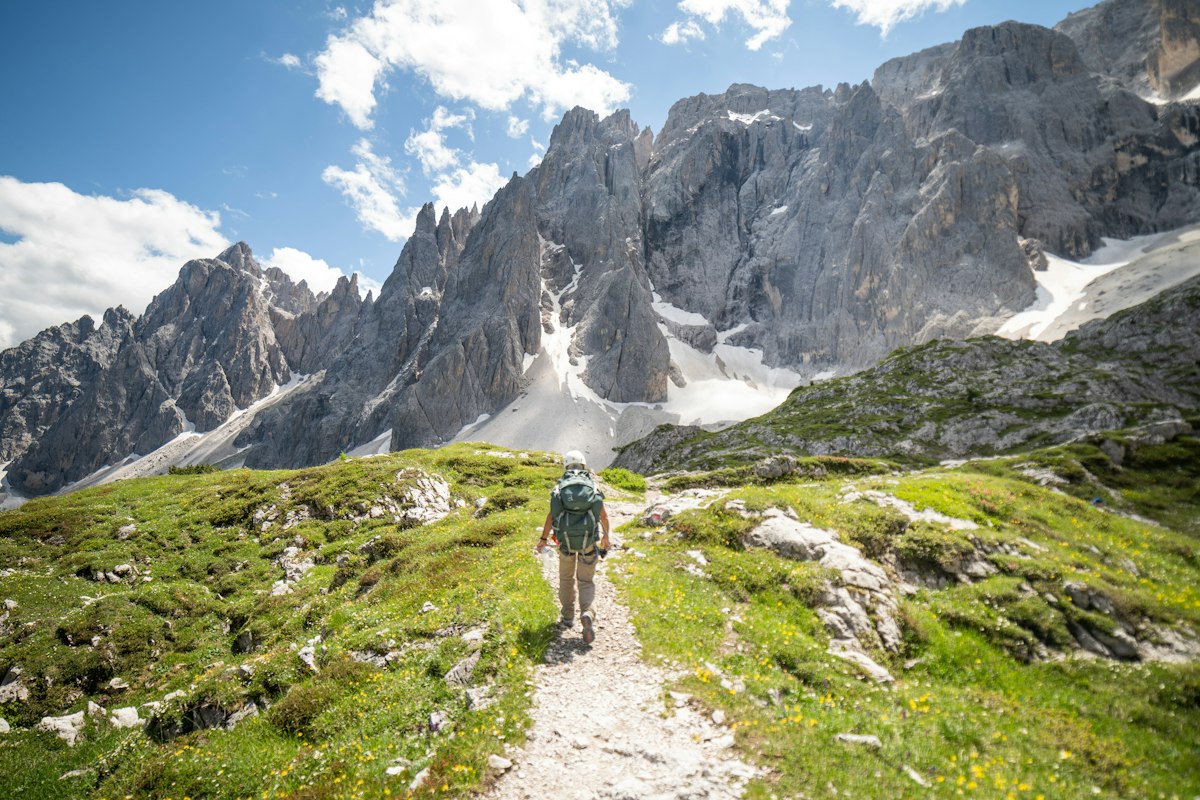
Most visitors don't realize that the mountains surrounding Bariloche and San Martin de los Andes operate year-round. The lifts shut down in October, but the terrain stays open -- and the Argentine summer (December to March) brings a completely different kind of access to the same peaks. If you're planning a Patagonia trip that combines ski season with shoulder-season hiking, or if you're simply looking for a reason to come back in the warmer months, here's what the ski mountains look like without the snow.
Cerro Catedral in Summer: Trekking Above the Treeline
Cerro Catedral's summer face is dramatically different from its winter one. The lenga beech forests, which in July are heavy with snow and skied through on quiet mornings, leaf out in spring and form a lush green canopy by December. The mountain's rocky ridgelines -- usually buried under a metre or more of snow during ski season -- become accessible via marked trails. The most popular summer route is the trek to Refugio Frey, a mountain hut at 1,700m above sea level that sits beside a glacial lake ringed by granite spires. The hike takes 4-5 hours return from the resort base and is moderately demanding. It rewards with views that equal anything in the better-known sections of the Patagonian trail network to the south. From Catedral's base area, you can also access the Cerro Catedral summit trail (a full-day commitment) and a network of multi-day routes connecting to neighbouring valleys.
Chapelco and the San Martin de los Andes Region
Chapelco, the resort closest to San Martin de los Andes, becomes a mountain bike and hiking destination in summer. The resort operates its lifts for bike access from December to March, making it possible to ascend to 1,900m and descend on a range of trails. For hikers, the marked trail network from the base area gives access to open alpine meadows and views across Lago Lacar -- the same lake that defines San Martin's waterfront. San Martin de los Andes itself is one of Argentina's most pleasant small towns, and the combination of town, lake, and high-altitude hiking makes it an excellent summer base. Visitors who came for the skiing will find the same warmth and character they remember, but with a completely different landscape.
The 7 Lakes Route: Better in Summer
The famous Ruta de los Siete Lagos -- the road connecting Bariloche and San Martin de los Andes -- is passable in winter but truly spectacular in summer. The route follows Provincial Route 234 through dense forest, past seven named lakes and dozens of smaller ones, with wildflowers, condors, and the deep blue-green of glacially-fed water that's even more vivid when not snow-covered. It's best done as a two-day road trip with an overnight in Villa La Angostura, with stops for hiking at Cerro Bayo and along the lakeshore trails. In summer the road is fully accessible in a standard rental car. The same route in winter requires AWD and local knowledge of road conditions.
When Is Summer in Patagonia?
Argentine summer runs from December through February, with March and April as a pleasant shoulder season. December and January are peak summer months -- warmest temperatures (15-25 degrees Celsius at lower elevations), longest days, most trail traffic, and highest accommodation rates. February is nearly as good. March is arguably the finest month for hikers: trails are less crowded, wildflowers are still present, and the first hints of autumn colour appear in the lenga forests -- the same orange and red display that early-season skiers see from the chairlift in June. If you're combining summer and ski seasons in a single trip, note that ski season runs June through October, with April to June offering some excellent off-season rates for accommodation and flights.
What to Expect at Elevation
Altitude is less of a factor in Patagonia than in the northern Andes. The ski mountains around Bariloche top out at 2,000-2,400m -- significantly lower than the Mendoza resorts and the altiplano of northern Argentina. Most fit travellers feel no altitude effects at these elevations. The bigger variables are weather and wind. Patagonia is famous for its instability: a clear blue-sky morning can become a cold windstorm by early afternoon. Start hikes early, carry a full rain layer, and plan to be off exposed ridgelines by mid-afternoon. The Patagonian wind that closes ski lifts in July can make a summer summit attempt genuinely difficult. Check conditions at the refugio websites before departing.
Combining Summer and Ski Travel
We increasingly work with travellers who want to experience Patagonia across more than one season. The most natural approach is a summer scouting trip -- hiking, food, wine, exploratory travel -- followed by a return ski trip the following winter. Alternatively, early-season ski trips (late June to early July) can be combined with hiking in the lower valleys where snow coverage is thin. We've also designed itineraries that move between the Argentine Lake District and Patagonia National Park in a single two-week trip, splitting time between ski days at Cerro Catedral and trekking in the Torres del Paine corridor to the south.
The mountains don't stop being extraordinary when the snow melts. They just become a different kind of extraordinary -- greener, quieter, and in some ways more accessible than during the winter rush.
Tell us what time of year you're travelling and we'll design an itinerary around what Patagonia looks like at that moment.
Watch the Video
See what the ski areas look like in summer — the same mountains, completely transformed.
Watch the Video
See what the ski areas look like in summer — the same mountains, completely transformed.
Watch the Video
See what the ski areas look like in summer — the same mountains, completely transformed.