What to Buy in Bariloche: Chocolate, Mate, Wool and Other Souvenirs for Skiers
Wondering what to buy in Bariloche? Our guides pick the best souvenirs for skiers: chocolate, mate sets, hand-knitted wool and regional food, plus how to pack them in a ski bag.
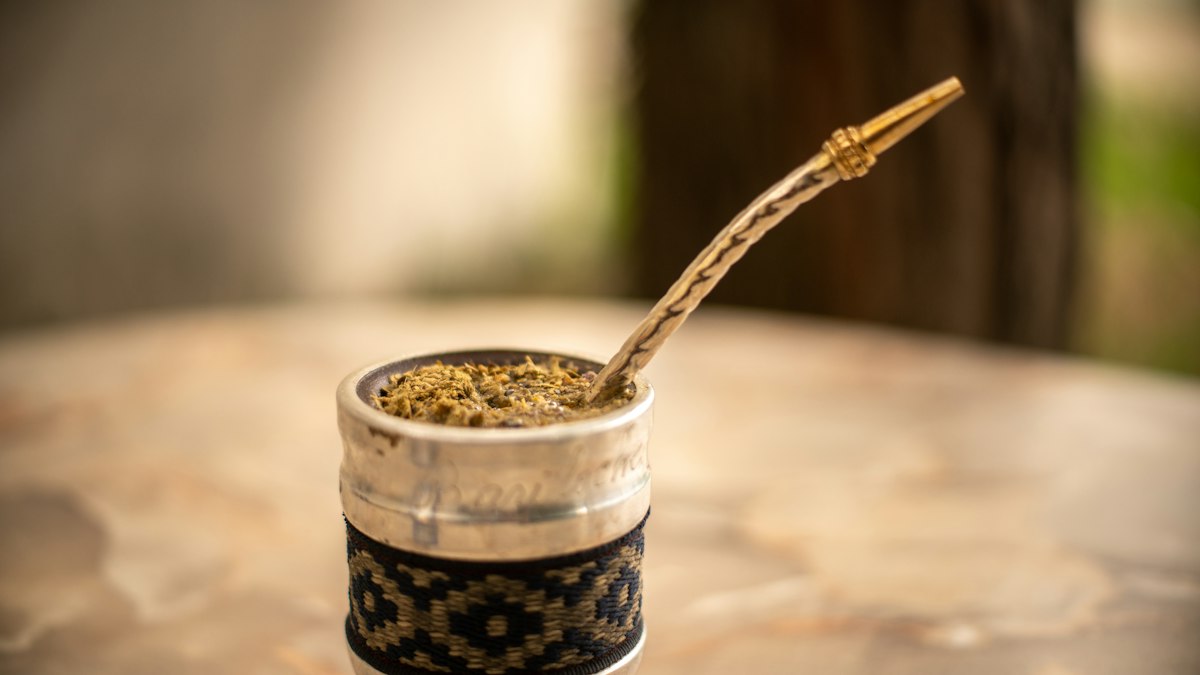
The best souvenirs to bring home from Bariloche are chocolate, a mate gourd with a bombilla, hand-knitted wool, and regional preserves and craft beer. All of them are made or sold in town, travel well in a ski bag, and cost far less than anything you would buy at the airport. Plan on $60-$150 USD for a good haul, and leave a free kilo or two in your bag before you fly out. If you are travelling with a group, see our group experiences for how we plan rest days around the lifts.
Quick Answer: What to buy in Bariloche
- Chocolate: $5-$15 USD per box or bar from the shops on Mitre street
- Mate set (gourd and bombilla): $15-$60 USD depending on materials
- Wool and knitwear: $30-$120 USD for scarves, hats and ponchos
- Preserves, dulce de leche, smoked trout: $5-$20 USD per jar or pack
- Best time to shop: the afternoon after skiing, or a wind day when the lifts are closed
What is the one souvenir every skier should buy in Bariloche?
Buy chocolate, and buy it in the shops on Mitre street rather than at the airport. Bariloche's chocolate tradition is a century old, and the town still has dozens of family-run fabricas where you can watch bars being tempered and wrapped. Our guides always ask guests to carry a box home to someone, and no one has ever complained.
A few practical notes:
- Buy the day before you leave, so the chocolate has not been sitting in a warm hotel room for a week.
- Ask for the "tableta" (bar) if you want something sturdy for a ski bag, and the boxed bombones if the gift is for someone who will unwrap it carefully.
- Look for shops that let you taste before you buy. Most do.
- If you want the story behind the tradition first, read our guide to why Bariloche takes chocolate so seriously.
How do you choose a proper mate set?
A proper mate set has three parts: the gourd (the "mate"), the metal straw (the "bombilla"), and a bag of yerba. A simple calabash gourd with a stainless-steel bombilla costs roughly $15-$25 USD, while a leather-wrapped gourd with an alpaca-silver straw can reach $60 USD or more.
Pick a gourd with a thick, even wall and no cracks, then ask the seller to show you how to cure it with used yerba and warm water before first use. Most shopkeepers will do this gladly, because a gourd that is badly cured will taste of mould. For a better sense of how mate fits into the daily rhythm of a ski day, see our note on mate and medialunas ski mornings.
Do not forget the yerba. A 500 g bag costs a few dollars in any supermarket and is much cheaper than the tourist-shop version.
Where can you find hand-knitted wool and regional crafts?
The best wool is sold at artisan fairs and small shops in the centre of Bariloche and, if you have a spare day, at the craft fair in El Bolson, about 125 km to the south. Look for hats, scarves, gloves and ponchos made from sheep wool, and be prepared to pay $30-$120 USD for pieces that are genuinely hand-knitted.
Two ways to tell the real thing from the factory copy:
- Hand-knitted pieces have small irregularities in tension, and the seller can usually tell you who made them.
- Factory pieces are often priced identically across several stalls, with machine-finished edges.
We also like carved lenga wood bowls, cutting boards and small spoons. Lenga is the same beech species that grows in the forests where our guides ski, so a spoon from a local workshop is a souvenir with a direct link to the mountain. Our El Bolson town guide covers the fair in more detail.
What food and drink can you carry home?
Dulce de leche, regional jams, smoked trout and craft beer are the best food souvenirs, and the first two are the easiest to pack. Dulce de leche jars from a local producer cost around $5-$10 USD, and jams made from rosehip, raspberry or the local calafate berry are $5-$12 USD.
Before you buy, check what your home country allows. Many countries restrict meat and dairy products, and smoked fish can be a problem at customs. Sealed shelf-stable jars and sweets are almost always fine. If you want to read up on what to eat while you are here, start with our guide to Argentine alfajores and dulce de leche.
Wrap every jar in a ski sock or a base layer, and put them in the middle of your ski bag, not at the edges.
How do you pack souvenirs in a ski bag?
Pack heavy and fragile items in the centre of the bag, wrapped in soft clothing, and keep the total within your airline's weight limit. Most international airlines allow 23 kg per checked bag, and a ski bag with boots, poles and clothing can already be close to that limit.
A short checklist:
- Weigh the bag before you buy anything. Know how many kilos you have to spare.
- Put chocolate and anything meltable in your carry-on if the flight is warm or the layover is long.
- Keep receipts for gourds and wool, in case customs asks.
- Check the rules in our guide to flying with skis to Argentina before you leave.
When is the best time to shop?
The best time to shop is the late afternoon after skiing, or a wind day when the lifts are closed and the town is quiet. Many shops close for a siesta in the early afternoon and reopen around 4 or 5 pm, so a morning of skiing followed by lunch and a nap leaves you well timed. Our note on shop hours in Bariloche explains the pattern.
Avoid your last morning. Flights out of Bariloche often leave early, and the shops will not be open yet.
Frequently Asked Questions
Can I pay by card in Bariloche's souvenir shops? Most shops accept cards, but small stalls and craft fairs often prefer cash in Argentine pesos. See our guide to cash and cards in Argentina for the details.
Are souvenirs cheaper in Bariloche than in Buenos Aires? Chocolate, wool and wood crafts are usually cheaper in Bariloche because they are made nearby. Mate gourds and yerba cost about the same everywhere in the country.
Can I bring food home from Argentina? Sealed, shelf-stable items such as chocolate, jam and dulce de leche are usually allowed. Meat, fresh dairy and fish are often restricted, so check your own country's customs rules before you buy.
This guide was written by the Ski Patagonia Co. team, based on many seasons of guiding at Cerro Catedral and years of sending guests home with a ski bag full of chocolate.
Ready to turn these ideas into a real week on the mountain? Plan your trip with us and our team will build the itinerary around you.
Hero photo by Matias Luge on Unsplash