A Week at Cerro Castor: A Trip Report From the End of the World
A trip report from a week at Cerro Castor in Ushuaia, covering the weather, the empty runs and what to do on wind days at the southernmost ski resort.
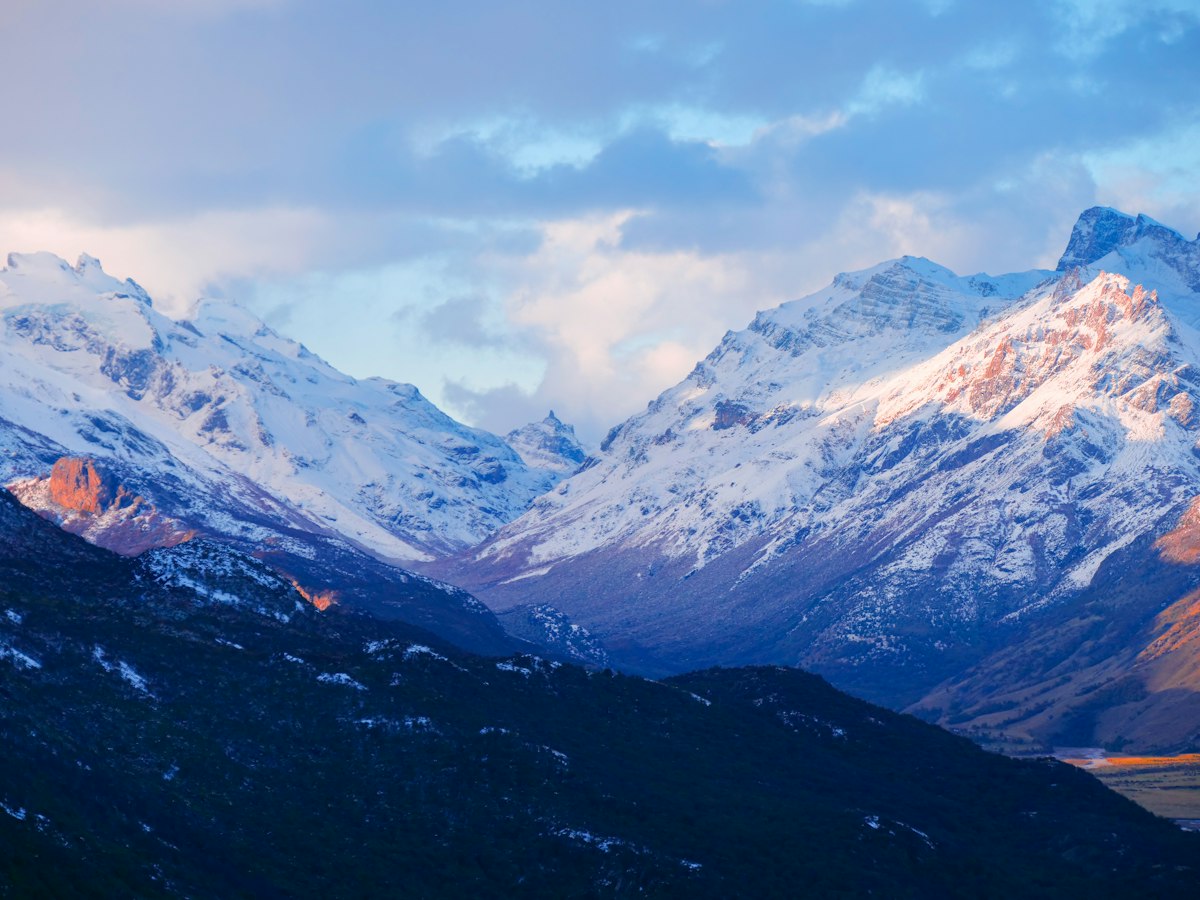
This is a composite trip report from one week at Cerro Castor in Ushuaia, built from what our guides and guests describe each season: the world's southernmost major ski resort rewards skiers who accept short, windy, changeable days in return for empty runs and views of the Beagle Channel. Expect to ski around 4 to 6 hours a day, to adapt to the weather rather than fight it, and to leave with a very different idea of what "Patagonia" feels like than the Bariloche side of the Andes gives you.
What does a week of skiing at Cerro Castor actually look like?
A week at Cerro Castor is built around the mountain's mood, not a fixed plan. The resort sits roughly 26 km from Ushuaia and runs on a dry, cold snow that often stays light in the shade, so our guests tended to ski hard in the morning and use the afternoon to rest or explore the town.
Our composite week went like this:
- Day 1: Arrival and a gentle half day to find your legs after the flight south.
- Day 2: A clear morning, the best conditions of the week, spent on the upper lifts.
- Day 3: Heavy cloud and snow, with skiing kept to the tree-lined lower runs.
- Day 4: Strong wind, a late lift opening and a long lunch.
- Day 5: A cold, bright day with firm groomers and almost nobody on the hill.
If you want the full resort profile, our Cerro Castor guide covers terrain, lifts and season dates.
Why does the weather decide everything at the end of the world?
Weather in Tierra del Fuego changes faster than anywhere else we work, because the resort sits where Pacific storms meet the Andes' southern tail. A bright morning can become a whiteout by lunch, and the temperature can swing 10 degrees Celsius in a few hours.
Our guides plan for this by keeping a flexible ski day: start early, check the wind at the top of each lift, and keep a lower-mountain option ready. The trees at Castor give real contrast on flat-light days, which is something many guests were surprised by. If low visibility worries you, our guide to skiing in a whiteout applies here too.
How different is Cerro Castor from Cerro Catedral?
Cerro Castor feels smaller, quieter and colder than Cerro Catedral, and the difference shows up in the lift line, not just on the map. Catedral offers far more terrain and a bigger town, while Castor offers solitude and a strong sense of place.
| Cerro Castor | Cerro Catedral | |
|---|---|---|
| Town base | Ushuaia, about 26 km away | Bariloche, about 20 km away |
| Crowds | Light on weekdays | Busy in peak weeks |
| Snow feel | Cold, drier, shade-held | Varies, often heavier |
| Scenery | Beagle Channel and peaks | Lakes and Andean ridgelines |
| Best for | Quiet skiing, a destination feel | Variety and big terrain |
Most guests in our composite week said they would not replace Catedral with Castor. They would add it.
What do you do on the days you cannot ski?
On a closed or windy day, the best move is to head to Ushuaia and make it a town day. Guests in our composite week spent one afternoon on a Beagle Channel boat trip, one in Tierra del Fuego National Park, and one over a long lunch of king crab and lamb in town.
A few ideas that worked:
- Take a Beagle Channel cruise past sea lion and cormorant colonies, usually 2 to 3 hours.
- Walk a short trail in Tierra del Fuego National Park, about 12 km from town.
- Visit the old prison museum in Ushuaia on a rainy afternoon.
- Spend an evening at a restaurant in the centre; our Ushuaia town guide lists where to stay and eat.
What surprised our guests most about Cerro Castor?
The biggest surprise was how few people were on the mountain. Guests who were used to 20-minute lift lines at home skied several runs in a row without queueing on weekdays. The second surprise was the light, which in October arrives low and warm and lingers well into the evening.
The third surprise was the travel itself. Flying to Ushuaia adds a long domestic leg from Buenos Aires, so we advise adding at least one rest night on the way. A trip that links Castor with a northern resort works well if you give it time; our multi-resort itineraries show how.
Is Cerro Castor worth the extra flight?
Yes, for skiers who already know Bariloche or want a second stop, and less clearly for first-timers on a short trip. The extra flight adds cost and a day of travel, but it also gives you a mountain that feels like no other in South America.
If you are on your first South America ski trip, start with Catedral. If you have skied Patagonia before, add Castor for a few days. Our team can build either version through custom itineraries.
Frequently Asked Questions
When is the best time to ski Cerro Castor? Late July to early September usually gives the best combination of snow and daylight. The season can run into October, and spring days are longer and milder.
Is Cerro Castor good for beginners? Yes, the resort has gentle terrain and a ski school, and the quiet slopes suit learners. Wind days can still limit upper lifts.
How cold does it get? Mornings are commonly well below freezing, and wind chill can make it feel colder. Pack a proper layering system and a face buff.
Can I combine Castor with Bariloche in one trip? Yes, with a domestic flight between Ushuaia and Bariloche or Buenos Aires. Plan at least 10 days to avoid rushing.
This trip report was written by the Ski Patagonia Co. team, drawing on guide and guest accounts across several seasons in Patagonia. It is a composite, not a single named traveller's story.
If you would like a week like this planned around your own dates and ability, tell us what you are hoping for on our Plan My Trip page and we will build it with you.
Hero photo by Florian Dele on Unsplash