Cerro Castor, Ushuaia: Skiing at the End of the World
Cerro Castor in Ushuaia is the southernmost ski resort on Earth — offering reliable snow, long seasons, and a once-in-a-lifetime setting at the bottom of the world.
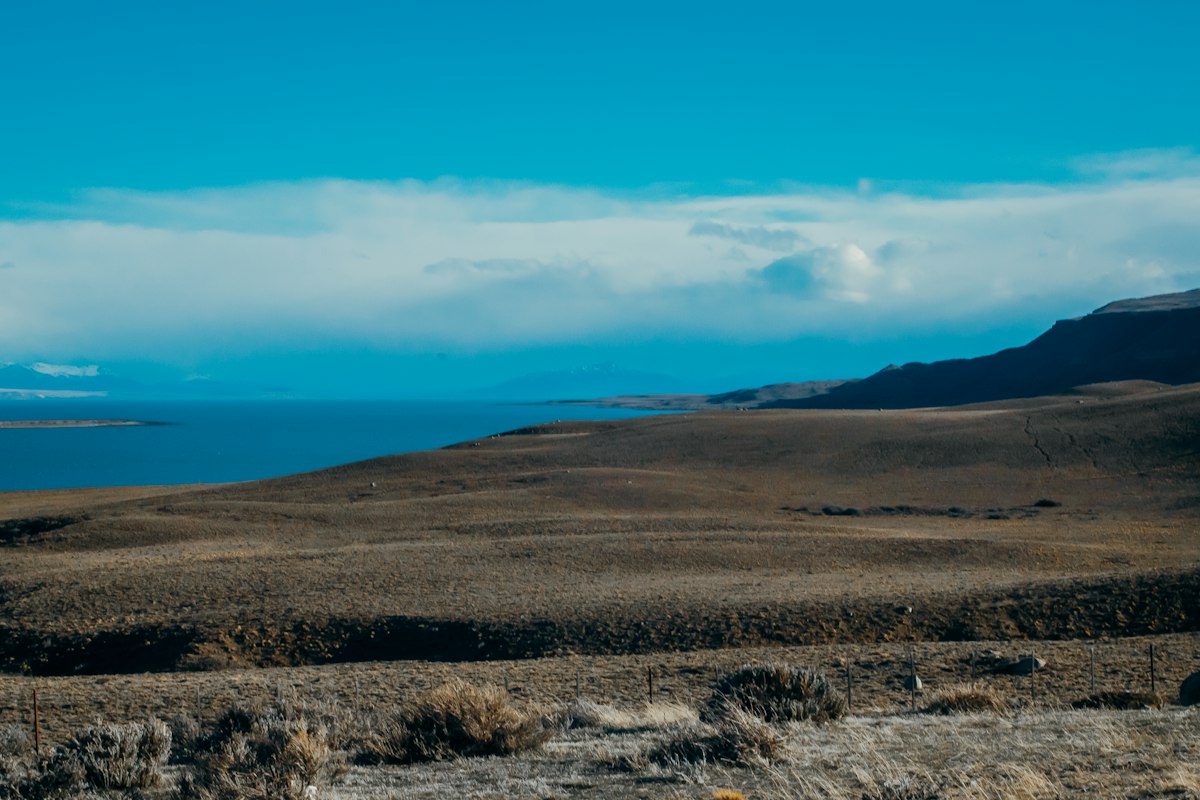
There is no ski resort on Earth further south than Cerro Castor. Located just 26 km from Ushuaia — the capital of Tierra del Fuego and gateway to Antarctica — Cerro Castor offers something no other mountain can: the experience of skiing at the literal end of the world. But this isn't just a novelty destination. With reliable snow from June through October, modern infrastructure, and a dramatic sub-Antarctic landscape, Cerro Castor is a legitimate ski resort that happens to sit in one of the most extraordinary locations on the planet.
Where Is Cerro Castor and How Do You Get There?
Cerro Castor is located 26 km northeast of Ushuaia, in the Tierra del Fuego province of Argentina. The drive from town takes about 20 minutes on Ruta Nacional 3. The nearest airport is Ushuaia International (USH), which receives direct flights from Buenos Aires (approximately 3.5 hours) on Aerolineas Argentinas and FlyBondi. Round trip flights typically cost $120-200 USD.
Ushuaia is also accessible by flight from El Calafate if you're combining a ski trip with a visit to Perito Moreno Glacier. Getting from Bariloche to Ushuaia requires connecting through Buenos Aires, so most travelers plan Cerro Castor as either the start or end of a multi-destination Argentine trip. We regularly build custom itineraries that pair Ushuaia skiing with northern Patagonian resorts like Cerro Catedral or Cerro Bayo.
What Is the Skiing Like at Cerro Castor?
Cerro Castor has a summit elevation of 1,057 meters and a base at 195 meters, providing 862 meters of vertical drop — the most of any resort in Tierra del Fuego. The resort operates 12 lifts, including 4 chairlifts and a magic carpet, serving 34 runs across approximately 600 hectares of skiable terrain. The breakdown is roughly 30% beginner, 40% intermediate, and 30% advanced.
The snow at Cerro Castor is cold and dry thanks to the sub-Antarctic latitude. The resort's south-facing exposure and low elevation treeline mean that much of the upper mountain is above the trees, offering wide-open alpine bowls and wind-sculpted terrain. The lower runs wind through lenga forests — gnarled, wind-bent trees that give Tierra del Fuego its distinctive character.
For intermediate skiers, the groomers are well-maintained and the pitch is consistent. For advanced skiers, the off-piste terrain on the upper mountain offers serious skiing with steep couloirs and open faces. The off-piste experience at Cerro Castor is underrated — fewer people ski it, which means more untracked snow for longer after a storm.
When Is the Best Time to Ski Cerro Castor?
Cerro Castor typically opens in mid-June and runs through mid-October, giving it one of the longest seasons in South America. The southerly latitude means cold temperatures persist well into spring, and the resort rarely suffers from the warm-weather closures that can affect resorts further north.
July and August offer the most consistent conditions, with deep snowpack and cold temps. September is outstanding for spring skiing — long sunny days, soft snow, and thin crowds. Early October can still deliver good conditions on the upper mountain. For the best timing across all Patagonian resorts, check our seasonal guide.
One thing to note: Ushuaia sits at 54 degrees south latitude, which means winter days are short. In late June and early July, expect only about 7-8 hours of daylight. By September, days lengthen considerably.
What Makes Ushuaia Worth Visiting Beyond Skiing?
Ushuaia is one of the most dramatically situated cities in the world — wedged between the Beagle Channel and the snow-capped Martial Mountains. The town itself is lively and well-equipped for tourism, with excellent seafood restaurants, craft beer bars, and a bustling waterfront.
Non-skiing activities include Beagle Channel boat tours (where you can see sea lions, penguins, and cormorants), hiking in Tierra del Fuego National Park, visiting the End of the World Museum, and driving to the famous Ruta 3 endpoint sign. King crab (centolla) is the local delicacy — you'll find it in almost every restaurant, fresh-caught from the channel.
For families, Ushuaia offers a genuine adventure-travel experience that goes well beyond just skiing. Kids love the penguins, the boat rides, and the novelty of being at the bottom of the world.
How Does Cerro Castor Compare to Other Patagonian Resorts?
Cerro Castor is a different proposition from the northern Patagonian resorts like Catedral, Chapelco, or Cerro Bayo. It's more remote, more expensive to reach, and smaller in terms of skiable terrain. But it offers things no other Argentine resort can match: the longest season, the most reliable snow, the most unique setting, and a sense of genuine remoteness.
We think of Cerro Castor as the exclamation point on a Patagonian ski trip rather than the main course. Two to three days at Cerro Castor paired with a week in Bariloche or San Martin gives you the full spectrum of what Argentine skiing has to offer. Read our Chapelco vs Catedral comparison for help choosing your primary base.
How Much Does a Trip to Cerro Castor Cost?
Lift tickets at Cerro Castor run approximately $50-70 USD per day for adults. Equipment rental is available at the resort and in Ushuaia for $20-35 USD per day, though as always we recommend bringing your own boots.
Accommodation in Ushuaia ranges from $60-100 USD per night for mid-range hotels to $200-400 USD for premium waterfront properties. Dining is moderately priced — expect to pay $15-30 USD for a good dinner with wine. The main added cost is the flight from Buenos Aires, which makes Ushuaia about 20-30% more expensive overall than a comparable trip to Bariloche.
Ready to Ski at the End of the World?
Cerro Castor is not the biggest, steepest, or most famous ski resort in Argentina. But it might be the most memorable. Skiing with the Beagle Channel glinting in the distance, surrounded by sub-Antarctic forest and knowing there is no mountain further south — that stays with you. If the idea of skiing at the end of the world gives you goosebumps, let our team help you plan the trip.