Skiing Again After 20 Years: A Returning Skier's Week at Cerro Chapelco
Skiing again after 20 years is easier than it sounds. A composite trip report from Cerro Chapelco on pacing, modern gear and how a returning skier finds their legs.
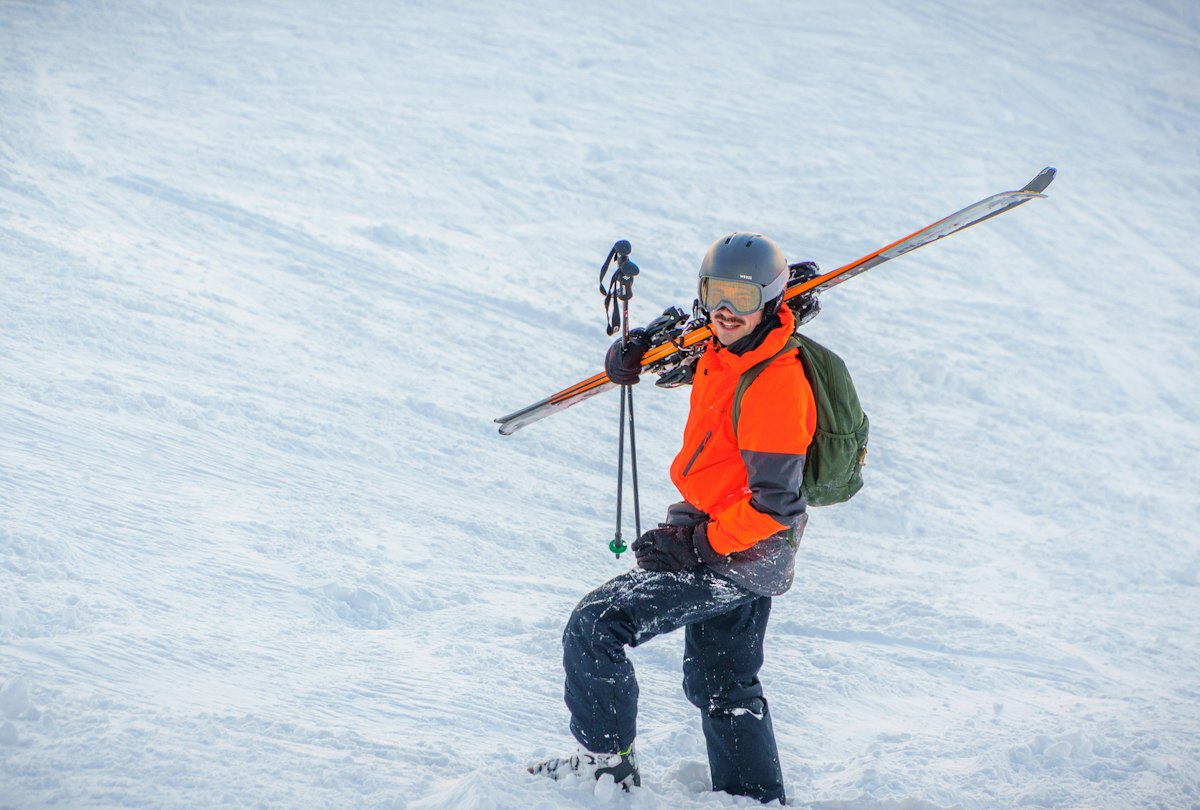
Skiing again after 20 years is easier than most returning skiers expect, and Cerro Chapelco near San Martin de los Andes is one of the best places in Patagonia to do it. The modern skis turn more easily, the lifts are faster and the mountain is friendly to rusty legs. This is a composite trip report built from several returning guests we have guided there, and what they all say is that day one is slower, day three is better and day five is hard to believe.
Why would someone return to skiing after 20 years?
The usual reasons are children, a milestone birthday or a friend with a spare seat on a trip. The guest at the center of this report was 52, had last skied in the Rockies in the 1990s. We will call them the returning skier.
They did not want a steep, extreme week. They wanted a place where they could ski badly for a day, laugh about it and then slowly get good again. That is why we suggested Cerro Chapelco, with its roughly 100 hectares, 29 runs and a mountain that is more forgiving than the larger Cerro Catedral.
What was day one actually like?
Day one was humbling, and that is normal. The returning skier took a 2-hour lesson in the morning on the gentle terrain near the base, with a guide who had no interest in rushing. After 20 years, your muscle memory remembers the shape of a turn but not the timing.
The first blue run was done in 40 minutes, with six stops. By lunch the returning skier said their thighs were done. We changed the plan and finished the day with a long coffee in the base area rather than forcing a fourth lap. That is the right call: tired legs are how returning skiers get hurt.
How is modern ski equipment different from 20 years ago?
It is much easier to use. Shaped skis, which became standard through the 2000s, turn with less effort than the long, straight skis many people used in the 1990s. Boots are warmer and fit better, and helmets are now standard rather than unusual.
The changes that surprise people most:
- Skis are shorter and wider, and they carve a turn almost on their own
- Bindings release more reliably and are adjusted by a technician to your weight and ability
- Helmets and back protectors are common, and most ski schools expect a helmet
- Layers are thinner and warmer than anything from the 1990s
We recommend renting skis and boots for a returning skier on the first trip, then deciding what to buy after a few days. For the full case on this, see our rental guide.
How did the second and third days feel?
Days two and three were where the skiing came back. By the second morning the returning skier was making linked turns on the green and blue runs and had stopped stopping every 50 metres. By the third day they were riding the upper lifts and skiing a whole blue run in one go.
We use three signs to decide when a returning skier is ready for more:
- They can stop on command, in control, on any blue run
- They can turn both ways without looking at their skis
- They are not tired by 14:00
When all three are true, we move up the mountain, and usually not before day three.
What made Chapelco a good place to restart?
Chapelco sits above San Martin de los Andes, a town of roughly 35,000 people on Lake Lacar, and the town base is a big part of the appeal. A quieter mountain, an easy gondola ride and a pleasant lakeside town afterward make for a relaxed rhythm.
Compared with Cerro Catedral, Chapelco is smaller and calmer:
- Cerro Chapelco: about 100 ha, 29 runs, quieter slopes, strong for families and returning skiers
- Cerro Catedral: 1,200 ha, 120+ runs, more terrain, more people, better for fast progression
For a deeper comparison, read Chapelco vs Catedral.
What did the returning skier say at the end of the week?
By day five they said the best part was not the skiing but being part of the mountain again. They finished the week skiing the longest blue run at Chapelco in one go and then stood at the top with a cup of hot chocolate in the wind. Their words were simple: they should have come back years ago.
Our guides see this every season. A returning skier who is given time, and is not rushed, tends to leave with more enthusiasm than most first-time visitors.
Frequently Asked Questions
Is it safe to ski again after 20 years? Yes, with sensible pacing. Take a lesson, rent modern gear, wear a helmet and stop before your legs are fully tired.
How long does it take to feel comfortable again? Most returning skiers feel comfortable on blue runs by day two or three. Some need a full week to feel fluid.
Is Chapelco better than Catedral for a comeback trip? For a calm restart, often yes. For a longer trip with more terrain, combine both on a multi-resort itinerary.
This account was written by the Ski Patagonia Co. team. It is a composite of several returning guests we have guided at Cerro Chapelco, not the report of a single named person, and is based on many seasons guiding in Patagonia.
If you are thinking about coming back to skiing, we will build a pace that suits you, with lessons, gear and a mountain that welcomes rusty legs. See our family trips or start at Plan My Trip.
Hero photo by Ed Wingate on Unsplash