Three Resorts, One Trip: How to Ski Catedral, Chapelco and Caviahue in a Single Journey
Most skiers visit one Patagonian resort per trip. A few do two. Fitting three into a single itinerary -- Cerro Catedral, Cerro Chapelco, and Caviahue -- is more achievable than it sounds, and the contrast between them is the point.
Most international skiers who come to Patagonia ski Cerro Catedral in Bariloche and go home satisfied. It is a large, varied, well-run mountain and there is no shame in spending an entire ski trip there. But if you have two weeks and a tolerance for driving, a three-resort itinerary covering Catedral, Cerro Chapelco, and Caviahue gives you something more useful than a longer version of the same experience: three completely different versions of what Argentine skiing can be.
This is how we structure it, and what each section of the trip delivers.
The logic of the route
The three resorts sit in a rough north-south line through Neuquen Province. Bariloche is the southern anchor. San Martin de los Andes, where Chapelco is located, is 160 kilometres north. Caviahue is a further 270 kilometres north of that, near the Copahue volcano on the Chilean border.
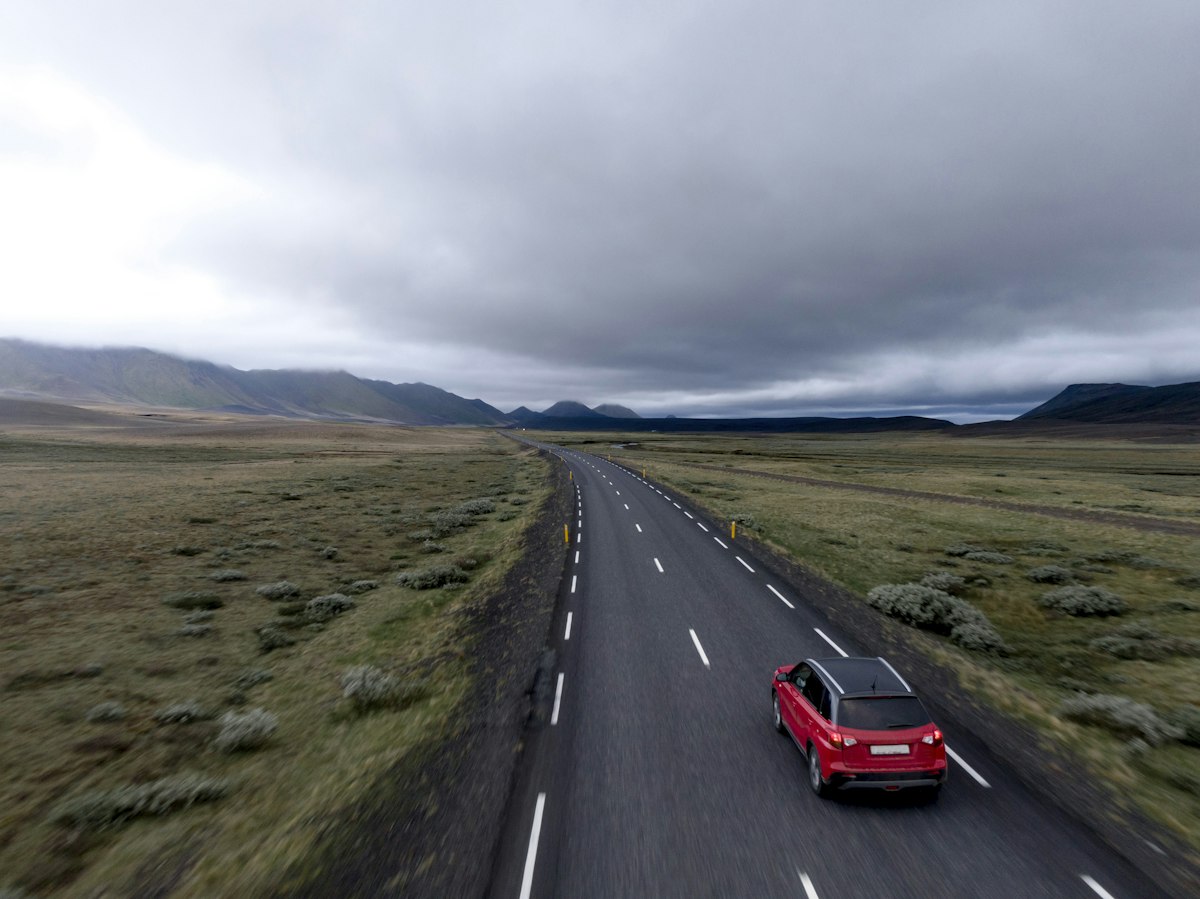
The natural sequence is south to north: start at Catedral for the best infrastructure and the widest terrain options, drive north to Chapelco for the quiet contrast, then continue to Caviahue for something genuinely remote. The drive between each resort is through classic Patagonian steppe and lake country and is worth doing in daylight.
Total drive time, if you do it straight: around six hours from Bariloche to Caviahue, broken into two stages.
Stage one: Cerro Catedral (five to six days)
Catedral earns the longest allocation because it has the most terrain and the most reliable infrastructure. The mountain has more than 1,200 hectares of skiable area, a gondola and multiple high-speed chairs, and a base area with good rental shops, ski schools, and food options.
Use the first two days to orient -- learn the main lifts, find your legs at altitude, explore the blue terrain off Punta Nevada. Days three and four push into the expert zones: the runs off Lynch and the Canadon sector for skiers who want steep; the long intermediate cruisers on the back side for everyone else. Day five is a recovery day in Bariloche -- chocolate, craft beer, the lakefront -- before the drive north.
The complete Catedral guide covers the mountain layout in detail. The week-by-week season guide will help you time the trip for optimal snow.
Stage two: Cerro Chapelco (three to four days)
The drive from Bariloche to San Martin de los Andes takes around two hours on Route 40, with the Seven Lakes Route available as a slower, more scenic alternative. San Martin is a smaller, quieter, considerably more upscale town than Bariloche -- it has better restaurants per capita, less nightlife, and an atmosphere that suits people who want calm after the relative bustle of Bariloche.
Chapelco is smaller than Catedral -- around 30 runs, 22 lifts -- but it has a loyal following among Argentine skiers who consider the snow quality and the tree skiing superior. The lower mountain through the tree zones in mid-morning, when the overnight frost has held and the sun has not yet softened the surface, is genuinely beautiful skiing. The upper mountain above the treeline is more exposed and more variable, but on a good snow day it offers wide open runs with views that rival Catedral.
Three days at Chapelco is the right amount for most itineraries. Enough to explore the full mountain, enough time to eat well in San Martin, not so long that you exhaust the terrain before moving on. Our Chapelco vs Catedral comparison covers the differences between the two mountains in detail.
Stage three: Caviahue (three days)
The drive from San Martin to Caviahue is around four hours -- north on Route 40, then east through the Neuquen altiplano toward the volcano. The landscape changes dramatically: you leave the lake district and enter open steppe, with the Copahue massif visible from a long distance before you arrive.
Caviahue is a small resort by any measure -- twelve lifts, thirty runs, a modest base village. What it has that the other two resorts lack is the volcanic setting, the hot springs at Copahue seven kilometres away, and the complete absence of international visitors. On a typical July weekday you may share the mountain with a few hundred Argentine families from Neuquen city. The lift queues are negligible. The off-piste terrain off the upper lifts is largely untracked.
Three days is right for Caviahue. The resort is not large enough to warrant more, but it is unusual enough that leaving in under three days feels incomplete. Spend one afternoon at the Copahue hot springs regardless of how the skiing goes -- it is the kind of experience that requires no justification.
Getting back
From Caviahue, the return to Bariloche for the flight home takes around six hours by road. Alternatively, there are irregular small aircraft connections to Neuquen city, from which Buenos Aires is a two-hour flight. Plan the logistics before you depart -- the Caviahue-Neuquen road is reliable in good conditions and requires care in snow or ice.
Is two weeks enough?
Yes, comfortably. The schedule above runs to twelve or thirteen days of skiing and driving. Allow a rest day at each location and you fit comfortably in fourteen days. Attempting it in ten days is possible but removes the buffer for weather delays and makes the driving feel like work.
The ideal months for this trip are mid-July through mid-August, when all three resorts are running full operations and snow is most reliable across the region.
Planning this kind of trip
A three-resort itinerary has more moving parts than a single-resort trip -- transfer logistics, timing around resort operations, accommodation that does not require backtracking. We handle all of it as part of our custom experience planning. Tell us your dates and skiing level and we will build the itinerary around what you actually want from each location.
If you are not sure whether a multi-resort trip makes sense for your schedule, start with our best time to ski Patagonia guide to understand the season dynamics, then get in touch and we can work through the options together.