How to Photograph Skiing in Patagonia: A Practical Guide
Patagonia's mountains are among the most photogenic on earth -- dramatic light, volcanic peaks, and lenga beech forests that glow orange in early season. Here's how to come home with images worth keeping.
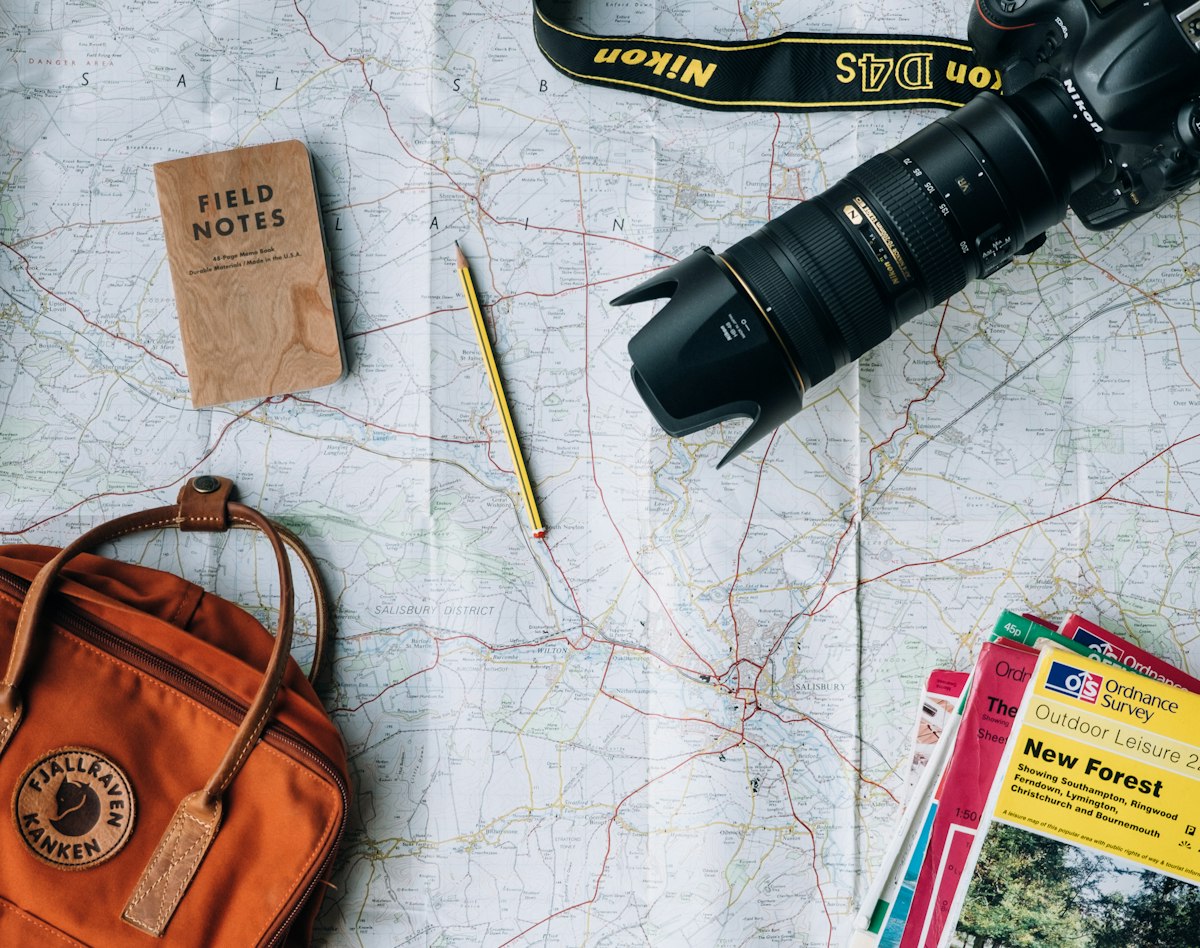
Patagonia is visually extraordinary. The light is different here -- cleaner, more intense, bouncing off glaciers and volcanic peaks in ways that don't happen in northern hemisphere ski destinations. But great mountains don't automatically produce great photographs. You still need to know when to shoot, how to handle the cold, and what your camera or phone is actually capable of. Here's what our guides and guests have learned from seasons on the mountain.
Why Patagonian Light Is Special
The key word is latitude. Bariloche sits at about 41 degrees south -- roughly equivalent to Rome in the north. In June and July (peak ski season), the sun stays low on the horizon for much of the day, which means golden-hour quality light lasts for hours rather than minutes. The sun rises in the northeast and sets in the northwest, tracking low across the sky and throwing long shadows across the snow all day. For photographers, this is a gift. The flat, harsh midday light that kills landscape photography in summer destinations barely exists in a Patagonian ski winter. Shoot anytime between 9am and 4pm and you'll have dramatic, angled light to work with.
The Best Gear for Cold-Weather Photography
Phone cameras are better than ever and will serve most skiers perfectly well. The main issues are battery drain in cold temperatures and condensation when you bring a cold device into a warm lodge. Keep your phone in an inner pocket against your body when not in use -- the warmth preserves battery life. For those bringing dedicated cameras, a mirrorless system with a weather-sealed body is the practical choice. A wide-to-short-telephoto zoom (24-70mm equivalent) handles most situations. Skip the tripod unless you're specifically doing landscape work -- it's impractical on skis and unnecessary in Patagonian light. A small smartphone gimbal or a chest mount for action footage is a better trade-off for weight.
How to Photograph Skiing Action
Action photography is harder than landscape work. The key variables are shutter speed, positioning, and communication with your subject. For skiing shots, you need a minimum of 1/500th of a second to freeze motion -- 1/1000th or faster for powder turns. On a phone, use burst mode and sport or action mode if available. For positioning, get low and slightly uphill of your subject -- shooting up gives a dramatic sky background and prevents the skier from being lost against dark trees. The most important factor is communication: tell the person skiing exactly where to turn, at what speed, and where to look. Candid skiing shots almost never work at distance. Posed-but-natural almost always does. Our guides are experienced at setting up these shots on guided days -- just ask.
The Most Photogenic Spots in Each Resort
At Cerro Catedral, the view from the Punta Nevada lift looking south across Nahuel Huapi Lake is one of the finest mountain panoramas in South America. It requires no particular skill to capture -- just be there at any point during a clear day. The lenga beech runs on the lower mountain glow red and orange in early season (late June to mid-July) before the snow covers them. At Chapelco, the views toward Lanin Volcano are extraordinary -- a perfect cone rising above open terrain. At Cerro Bayo, Villa La Angostura's smaller crowds mean you can set up shots without managing other skiers in frame. And anywhere in Patagonia, don't overlook the moments between runs: the cable car stations, the mountain refugios, the light hitting the mountain from the valley below at the end of the day.
Working With Patagonian Weather
Patagonia is famous for wind and rapidly changing conditions. A clear morning can become a whiteout by noon. Practically, this means you should prioritize getting your shots in the first half of the day. It also means that dramatic weather -- fast-moving clouds, shafts of light through a breaking storm -- produces some of the most spectacular images. Overcast days with flat light are the enemy of mountain photography, but they're also windows for detail shots: a ski boot, glove in the snow, frost on a chairlift cable. Have a plan for both conditions.
Protecting Your Gear on the Mountain
Battery management is critical. Cold temperatures can cut a full phone battery to 40% of its rated capacity. Carry an external battery pack, keep it inside your jacket, and charge your device at every opportunity. For cameras, carry spare batteries and keep one warm in an inner pocket. Memory cards are not affected by cold, but card slots can freeze -- keep the cover closed. On a guided ski day, your guide can hold your pack and create space for you to stop and shoot without disrupting the group's rhythm. If photography is a real priority for your trip, mention it when planning your itinerary -- we can time specific runs and viewpoints around the best light conditions.
The Shot Most People Miss
Everyone photographs the mountain. Fewer photograph the culture: the wood-fired grill at the base lodge, a local family sharing a thermos of mate on the chairlift, the lift attendant's weathered gloves. These are the images that, years later, return you to the place more completely than any landscape shot. Patagonia has a distinctive alpine character -- German and Swiss immigrant architecture mixed with indigenous Mapuche motifs and Argentine grill culture. Some of the best images from guest trips are taken at the end of the day, in softer light, away from the piste. Keep your camera out after you've finished skiing.
Whether you're shooting on a phone or a professional camera, the ingredients are the same: good light (which Patagonia provides in abundance), communication with your subjects, and patience. The mountains will give you the rest.
Start planning your ski trip to Patagonia -- and let us know if you'd like a photography-focused day built into your itinerary.
Watch the Video
A quick visual look at ski photography in Patagonia — the light, terrain, and conditions that make these mountains so photogenic.
Watch the Video
A quick visual look at ski photography in Patagonia — the light, terrain, and conditions that make these mountains so photogenic.
Watch the Video
A quick visual look at ski photography in Patagonia — the light, terrain, and conditions that make these mountains so photogenic.