On-Mountain Photography at Cerro Catedral: How to Shoot Great Ski Photos
Cerro Catedral is one of the most photogenic ski mountains in the world -- here is how to capture it properly, from gear choices to the best light windows.
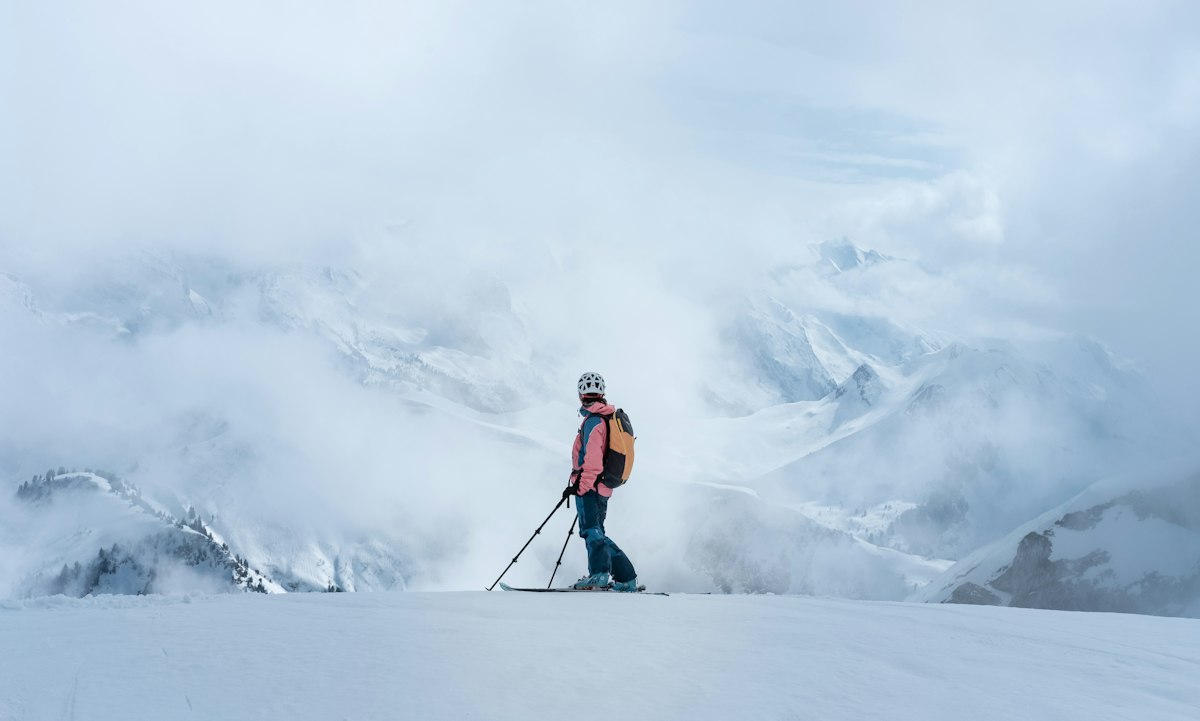
Cerro Catedral is one of the most photogenic ski mountains in the world, and you don't need a professional setup to prove it. The combination of Andean granite spires, wide-open couloirs, and deep-blue Patagonian sky creates frames that are nearly impossible to ruin -- if you know where to stand and when to shoot. This guide covers gear, timing, and technique for skiers who want to come home with images that do justice to what they actually saw.
What gear should you bring skiing to shoot photos?
A modern smartphone is genuinely sufficient for 90% of ski photography at Catedral, but a mirrorless camera with a mid-range zoom (24-105mm equivalent) opens up far more creative options. The key constraint is cold and altitude: at Catedral's peak elevation of 2,405 m, batteries drain 30-40% faster than at sea level in winter temperatures that regularly hit -10C. Bring a fully charged spare battery carried warm against your body, not in your pack.
If you're shooting on a phone:
- Use the 0.5x ultra-wide for wide landscape shots with skiers in foreground
- Use 2x-3x zoom for catching mid-run action at a distance
- Turn off Live Photo in cold conditions -- it drains battery faster
- A lightweight chest mount or wrist strap is worth the extra 80 g in your pocket
For mirrorless or DSLR users, a UV filter is mandatory above treeline -- the UV index at 2,400 m is roughly 30% higher than at sea level and causes haze that flattens colour in post. A circular polariser doubles as UV protection and cuts glare from snow dramatically.
When is the light best for ski photography at Catedral?
The best light at Cerro Catedral is the 45-minute window starting 20 minutes after the first lifts open (typically 09:15 in peak season). At this hour, the sun is low and east-facing, painting the granite towers of Catedral's upper ridge in warm amber light while the runs are still groomed and empty of crowds. This is the single most valuable shooting window of the day.
The second-best window is the final 30 minutes before the mountain closes (typically 17:00-17:30). West-facing bowls catch long golden light, and the shadows give depth to otherwise flat snow textures. The Colgante sector and the open flanks above Lynch lift are especially strong at this hour.
Midday (11:30-14:30) produces the worst light -- overhead sun bleaches snow to pure white, obliterates shadow detail, and makes skiers look like dark dots on a white sheet. If you shoot at midday, shoot into shadow or use trees and rock features for depth.
What are the best photography spots on the mountain?
Cerro Catedral's most reliably photogenic locations:
1. Punta Nevada ridge (2,405 m) -- The view south toward Lago Gutierrez and Nahuel Huapi is unmatched on the mountain. On a clear day you can see 80+ km into Chile. Best in morning light.
2. Lynch chairlift unload -- The exposed granite towers above this lift create a dramatic backdrop for action shots. A 50-85mm focal length fills the frame well.
3. Villa Catedral base area -- Looking uphill in the first hour, you get the full mountain face with skiers descending in silhouette. Works in almost any light.
4. Colgante sector mogul field -- The natural bumps here create dynamic foreground texture for wide-angle shots. Experienced skiers making turns here look spectacular.
5. Canadon del Diablo -- The narrow couloir framed by high walls. Shoot from the shoulder above the entry point with a telephoto; the compression effect makes it look impossibly steep.
How do you photograph a skier in motion?
Panning is the technique that separates interesting ski photos from snapshots. Set your shutter speed to 1/80-1/125 sec (not the fast 1/2000 most people use), track the skier smoothly as they pass, and fire 3-5 frames. The background blurs while the subject stays sharp -- it reads as speed rather than a frozen freeze-frame.
For clean action shots with frozen motion, you need at least 1/500 sec in flat light, 1/800 sec in bright snow reflection. The challenge at Catedral is that the wide-open terrain means skiers are often 50-100 m away; a telephoto of at least 200mm equivalent helps.
Coordinating with a friend is far more productive than chasing strangers. Agree on a turn point, a number of passes, and a hand signal so you know when they're coming. Three coordinated passes produce more usable frames than 20 minutes of hoping someone interesting skis through your frame.
What about video -- is it worth bringing a GoPro?
GoPros and action cameras are worth the weight at Catedral specifically because the terrain lends itself to point-of-view footage that is genuinely spectacular. Mount the camera on your helmet rather than your chest for better horizon stability and more natural framing. The chest mount shows too much body movement.
For edited video rather than raw GoPro footage, a gimbal-stabilised phone mount (DJI OM series or similar) on a helmet or pole gives surprisingly cinematic results and is far lighter than a full action cam rig. The key limitation is battery life in cold -- budget for one 45-minute charge per 2 hours of skiing.
Drone footage above 2,000 m at Catedral requires advance authorisation from ANAC (Argentina's civil aviation authority) and the resort. Don't fly without it -- fines are significant and the resort patrol actively enforces the restriction.
Frequently Asked Questions
Can I rent camera gear in Bariloche?
A few photography shops in the Bariloche centro rent basic DSLR bodies and lenses, but stock is limited and quality varies. For anything specific, bring your own kit or plan to purchase in Buenos Aires (prices are significantly lower at electronics retailers in Palermo than in Bariloche).
Is a phone case waterproof enough for skiing?
Modern iPhones (12 and later) and most Samsung flagships are IP68-rated and survive snow immersion. The real risk is impact -- a dedicated ski phone sleeve with wrist tether prevents the more common problem of dropping the phone in powder. In temperatures below -15C, phone screens become unresponsive even with gloves off; warming the phone briefly in your jacket pocket restores touch sensitivity.
What do I do if my memory card fills up mid-day?
Bring a spare. 128 GB cards cost under $15 USD and weigh nothing. Shooting RAW fills cards faster than JPEG -- if you're not planning to edit extensively, JPEG Fine is perfectly adequate for ski photos shared digitally.
*This guide was written by the Ski Patagonia Co. team, based on 8 seasons shooting and guiding at Cerro Catedral.*
Ready to plan your Patagonia ski trip? Talk to our team at Plan My Trip -- we build custom itineraries around the conditions, your skill level, and yes, your photography goals. See also our complete Cerro Catedral guide and off-piste skiing guide for more on what the mountain offers.