Mobile Data, SIM Cards and Wifi for Skiers in Argentina: What to Do Before You Land
Need mobile data for a ski trip to Argentina? Compare roaming, a local SIM and an eSIM, and learn where coverage drops around Bariloche and Cerro Catedral.
The easiest way to get mobile data for a ski trip to Argentina is an eSIM bought before you fly, which costs roughly $10-$25 USD for 5-10 GB and works as soon as you land. A local physical SIM from Claro, Movistar or Personal is cheaper per gigabyte but needs your passport and a store visit, and international roaming from your home carrier is convenient but often expensive. Coverage is strong in Bariloche and at the Cerro Catedral base, but patchy on parts of the mountain and on road transfers.
Quick Answer: Staying connected in Argentina
- Best for most skiers: an eSIM bought before departure, around $10-$25 USD
- Cheapest per GB: a local SIM from Claro, Movistar or Personal
- Most convenient: roaming, if your carrier offers a daily pass of about $5-$12 USD
- Hotel and lodge wifi: usually available, but speeds vary
- Mountain coverage: reliable at the base, patchy in some upper areas
Should you use an eSIM, a local SIM or roaming in Argentina?
For a one-week ski trip, an eSIM is the best balance of cost, speed and effort. You install it before you leave home, switch it on after landing at Buenos Aires or Bariloche and avoid the airport queue.
Compare the options:
eSIM
- Cost: about $10-$25 USD for 5-10 GB
- Setup: before you fly, scan a QR code
- Needs: a phone that supports eSIM
Local physical SIM
- Cost: often lower per GB, but plans vary
- Setup: a store visit and passport check
- Needs: an unlocked phone
Roaming from home
- Cost: daily passes around $5-$12 USD, or high pay-as-you-go rates
- Setup: none
- Needs: check your carrier's Argentina plan first
Argentina's mobile networks and prices change, so check current offers before you buy.
How good is mobile coverage around Bariloche and Cerro Catedral?
Coverage is good in Bariloche city and at the Villa Catedral base, but less reliable in upper mountain areas and along some mountain roads. Expect 4G in town and at most lodges, with occasional dead spots in valleys. On the hill, do not depend on a live map or a phone call for safety.
If you are heading off-piste, carry proper safety equipment and a guide. Read our off-piste skiing guide and avalanche safety guide for the Andes.
Is the wifi at hotels and lodges good enough?
Wifi at hotels, cabins and lodges in Bariloche is generally fine for messaging, maps and email, but it can slow down in the evening when everyone is online. If you need to work remotely or stream video, check speeds with your lodging before you book. Our guide to where to stay in Bariloche as a skier compares the main options.
What apps should skiers download before the trip?
Download offline maps, a translation app and your lift and resort information before you leave home. Useful picks:
- Offline maps: Google Maps offline area for Bariloche and the Lake District
- Translation: Spanish offline pack for restaurants and shops
- Weather: a mountain forecast app; see how to read the Andes weather forecast
- WhatsApp: nearly every shop, taxi and guide in Argentina uses it
- Banking and travel apps: for boarding passes and payments
Do you need to unlock your phone and check compatibility?
Yes. A local SIM only works on an unlocked phone, and an eSIM only works on a compatible model. Ask your home carrier before you travel, and keep your home SIM safe so you can still receive bank texts if needed.
How can you save battery on the mountain?
Cold drains phone batteries quickly, so keep your phone in an inside pocket close to your body. At temperatures below -5 C, a phone left in an outer pocket can lose half its charge in an hour. Carry a small power bank and switch on airplane mode when you do not need a signal.
What should you do if you lose signal on a road transfer?
Download maps and your booking confirmations before you leave Bariloche, because some stretches of mountain road have no signal. Transfers to Cerro Catedral are about 20 km from the city and usually have coverage, but longer drives toward San Martin de los Andes along the 7 Lakes Route can drop out between lakes. Save your lodge's address, your driver's WhatsApp number and a screenshot of your flight details. Our guide to getting from Bariloche to Cerro Catedral lists every transport option.
Is it safe to use public wifi and pay by phone?
Use public wifi carefully and avoid logging into banking apps over an open network. A cheap VPN or your own mobile data is safer for payments. Most card payments in Argentina work with a physical card, and mobile wallets are accepted in some larger shops, but do not rely on them at small refugios or kiosks.
Frequently Asked Questions
Is data roaming expensive in Argentina? It can be, especially pay-as-you-go. Daily passes are often around $5-$12 USD, but many travelers find an eSIM cheaper.
Can I use WhatsApp for everything? Mostly, yes. Guides, taxis, restaurants and lodges use it, which makes data worth having from day one.
Will my phone work on the ski lifts? Usually yes at the base and lower mountain, but coverage may be weaker higher up. Do not rely on it for emergencies off-piste.
Should I buy a SIM at the airport? You can, but queues and prices vary. An eSIM bought before departure is usually simpler.
This guide was written by the Ski Patagonia Co. team, based on years of arranging trips across Patagonia and helping guests stay connected.
Want us to handle the logistics so you can focus on skiing? See our custom experiences or plan your trip.
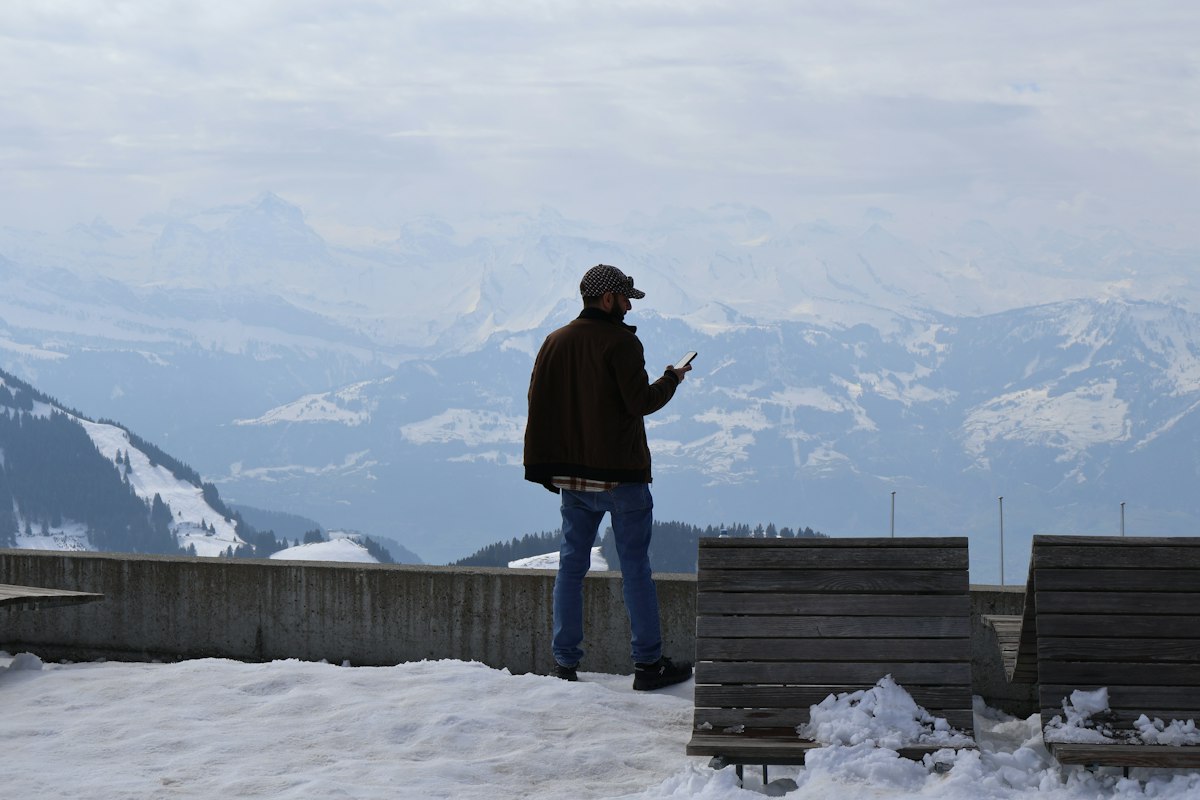
Hero photo by Nicolas Keller on Unsplash