A Day in the Lift Operator's Cabin at Cerro Catedral: The Job Behind Every Chair
What does a lift operator at Cerro Catedral do all day? A composite look at the early starts, wind calls and small moments behind every chair.
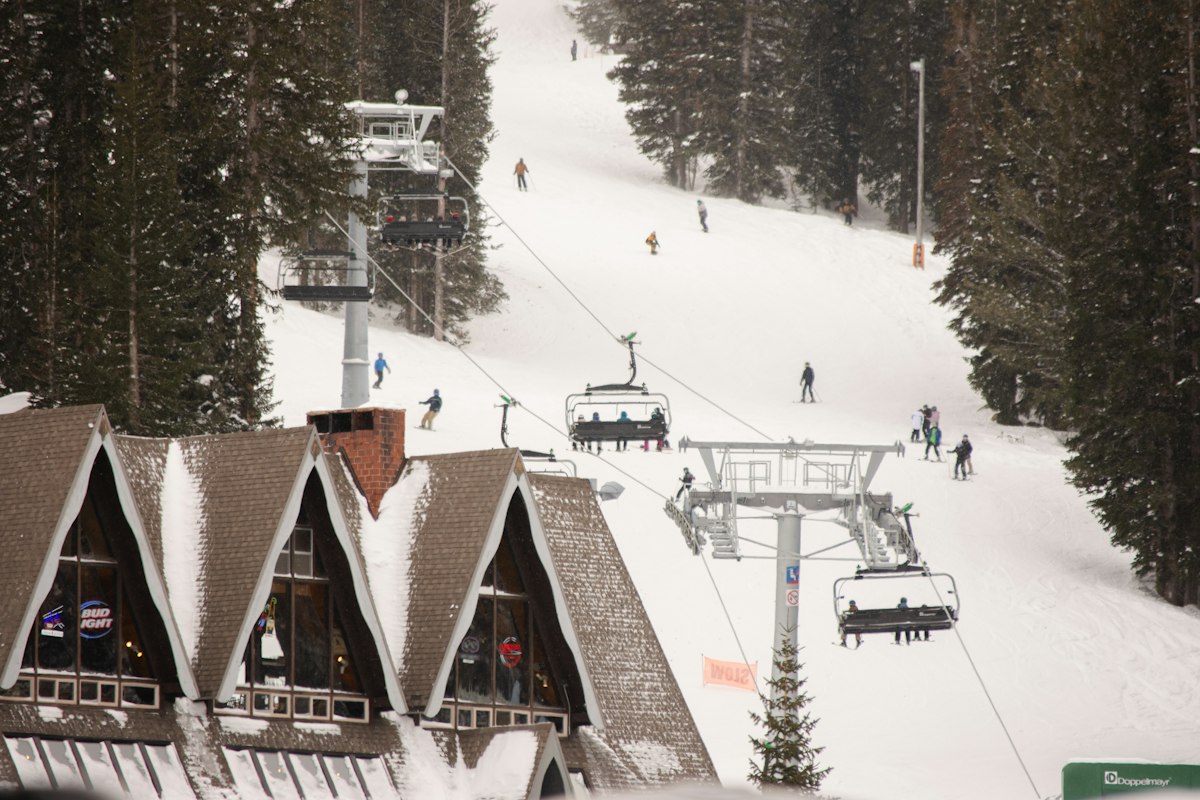
A lift operator at Cerro Catedral spends a winter day in a small cabin or at a loading station, checking safety bars, watching the wind and speaking to hundreds of skiers, and it is one of the least-seen jobs on the mountain. We have never been lift operators ourselves, so this piece blends what operators have told our guides over several seasons into one composite day. Names and small details are illustrative, but the routine is accurate to what we see.
What time does a lift operator's day start at Cerro Catedral?
A lift operator's day starts well before the first skier, usually around 7 am, when the crew checks the lift and the weather. Staff walk the loading area, clear snow from the ramps and test the stop systems. The mechanical team runs the lift empty first, then checks it again with a load. Only after that do the gates open, which on a normal winter day is at about 9 am.
A composite operator we will call Lucia says the first hour is the quietest. The mountain is cold, the radio is busy and the only visitors are the grooming crew coming off their night shift. For that crew's side of the story, see the night shift at Cerro Catedral.
What does the job actually involve?
The job involves far more than pressing a button. Operators manage loading, watch for safety bar problems, help children and beginners onto the chair, slow the line when someone falls and talk to the control room by radio. Many chairs carry 4-6 skiers, and a fast chair can move 2,000-3,000 people an hour, so small errors add up quickly.
Typical tasks across a shift:
- Check the loading zone and ramps for ice
- Greet and count skiers, and hold the chair for slow loaders
- Stop the lift for a fall, a dropped ski or a tangled child
- Watch the weather and report wind to the control room
- Help skiers who are afraid at the top station
A good operator has patience and a loud voice. In a language that is not the skier's own, you also learn the gestures that work.
How do operators decide when to close a lift for wind?
Operators do not decide alone. They watch the wind gauge and the chair's movement, then pass readings to a supervisor, who closes a lift when gusts become unsafe. Patagonian wind often rises in an hour, and a lift that ran at 10 am can be closed at noon. Closures are often announced at the base and on the resort's channels, though some skiers learn only when they reach the loading station.
The reason is simple: chairs swing in strong gusts, and exposed upper stations are the first to be affected. We explain the skier side in our guide to what to do when the lifts close. Operators told our guides that the hardest part is telling a skier who has waited 25 minutes that the lift has just closed.
What do operators see that skiers miss?
Operators see the mountain's habits before anyone else, such as which skiers struggle with loading, where queues form and how weather moves. They notice that most falls at the loading point happen to people who look back at their friends instead of at the chair. They also notice which groups are tired by 2 pm.
One composite example: a father and his young daughter arrive at the base, and the operator slows the chair so they can sit. The same pair is back an hour later, the girl laughing. Operators remember these moments more than the powder days. Our post on chairlift conversations at Cerro Catedral covers the other side of the ride.
How can skiers make a lift operator's day easier?
Skiers can help by preparing at the loading line and listening to instructions. A few small habits make loading smoother and safer:
- Remove backpacks and carry them on your lap or in front of you
- Move forward at the marked spot and look at the chair, not your phone
- Tell the operator if a child or a beginner is in your group
- Lower the safety bar slowly, and wait for the chair to stop swinging
- Follow lift etiquette from our guide to Argentine ski slope etiquette
A simple "gracias" at the top goes a long way, as the crew spends a shift in the cold.
What do operators think about the end of the day?
Operators tend to finish tired, cold and quietly proud. The last chair usually runs around 4:30-5 pm in winter, then the crew sweeps the lift and checks that no one is left on the mountain. Operators often walk or ski home when the shift ends, with light fading over Lago Nahuel Huapi. By then the lift they started with at 7 am is empty again.
Lucia, our composite operator, says the best day is not powder. It is a day with no accidents, no lost children and a line that moved steadily. That is something we, as guides, have learned to value too.
Frequently Asked Questions
Do lift operators at Cerro Catedral speak English? Many operators know basic English phrases, and larger stations usually have someone who speaks more. A few Spanish words still help, and we list some in our ski vocabulary guide.
Why does a lift stop suddenly? Operators stop a lift for a fall, a loading problem or a safety check. A brief stop is normal, and the lift restarts within a minute or two.
Is it normal to tip a lift operator? No, tipping lift operators is not expected. See our guide to tipping in Argentina's ski industry for who does expect it.
What should I do if I fall getting on the chair? Stay calm, move away from the chair's path and signal the operator. They will stop or slow the lift.
This piece was written by the Ski Patagonia Co. team, drawing on conversations between our guides and mountain staff across several seasons at Cerro Catedral. The operator and the anecdotes are a composite, not a single named person.
If you would like a week on the mountain with guides who know the lifts, the crews and the weather, plan your trip with us or see our group ski trips.
Hero photo by Alex Moliski on Unsplash