Helado in Bariloche: Why Argentines Eat Ice Cream in Winter and What to Order
Argentines eat helado all year. Here is what to order, how to order it and which flavours to try on a Bariloche ski trip, from dulce de leche to calafate.
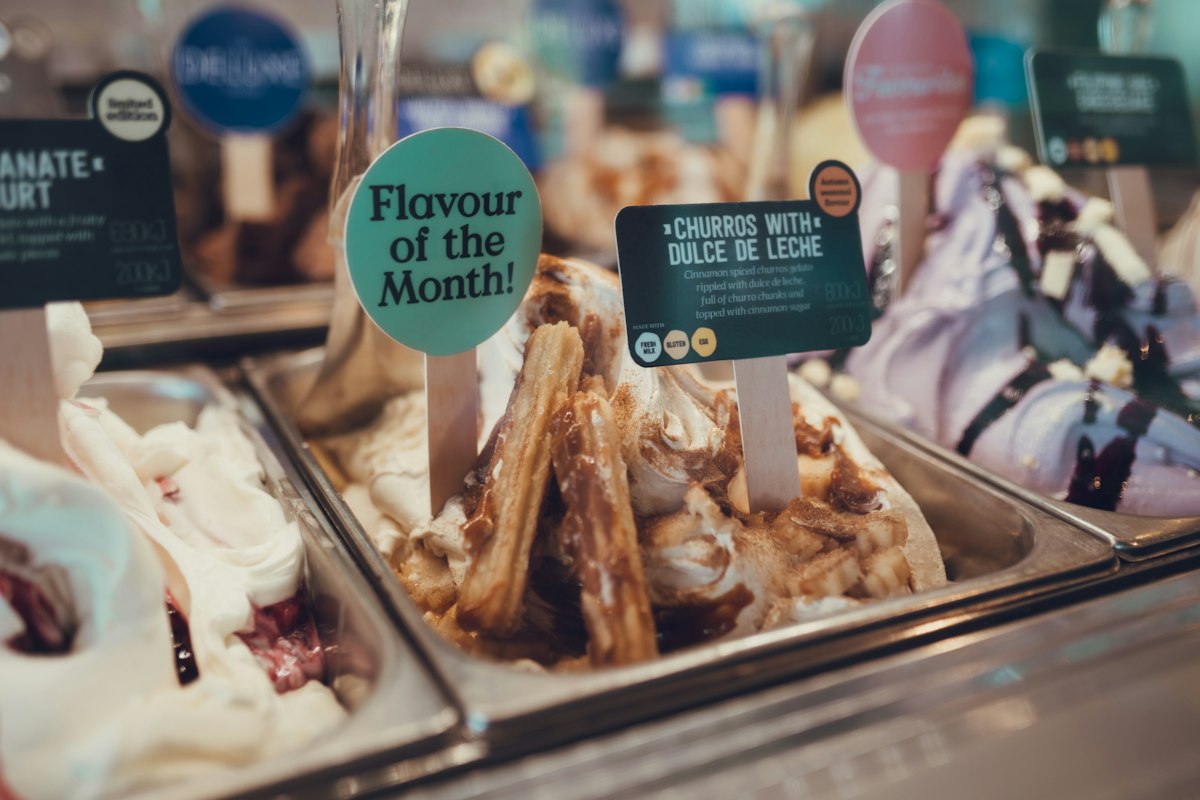
Yes, Argentines eat helado all year, including in a Bariloche winter, and a cone after a ski day is one of the easiest ways to join in. Expect dense, creamy ice cream sold by the kilo or in small cups, with flavours built around dulce de leche, chocolate and Patagonian berries. Most heladerias in Bariloche stay open through the ski season, often until late evening.
Why do Argentines eat ice cream in winter?
Argentines eat ice cream in winter because helado is a social habit, not a hot-weather snack. Italian immigrants brought gelato traditions to Argentina in the 19th and 20th centuries, and the neighbourhood heladeria became a fixture. Families walk to the shop after dinner whatever the temperature.
In Bariloche, the habit meets the town's chocolate tradition, so heladerias lean rich and dark. The cold outside is part of the fun: a scoop of dulce de leche tastes just as good at 2 degrees C as it does in January.
What flavours should you try first?
Start with dulce de leche, the national flavour, and then try one Patagonian fruit flavour. Argentine heladerias often list 30 or more flavours, so a short plan helps.
- Dulce de leche granizado: caramel-like ice cream with chocolate chips, and the safest first choice
- Chocolate amargo: bitter chocolate, a natural fit in a chocolate town
- Frutos rojos or calafate: red berries; calafate is a Patagonian berry with a tart, wild flavour
- Sambayon: a rich, custard-style flavour with a hint of sweet wine
- Maracuya or limon: a lighter, sharper flavour to balance the creamy ones
Many shops offer two or three flavours per cone, so you can taste more than one. For more on the national sweet, see our guide to alfajores and dulce de leche.
How do you order helado in Bariloche?
You order by the cone, the cup or the weight, and the sizes are small, medium and large by number of flavours. Choose a size at the counter, name your flavours and pay at the till if the shop uses a ticket system.
- Cucurucho: a cone, usually the cheapest
- Vasito: a small cup
- Un cuarto, medio kilo, un kilo: a quarter, half or full kilo tub, ideal for groups
- Delivery: many shops deliver to hotels and apartments, which suits tired skiers
Prices vary by shop and season, so check the board. A single-scoop cone is typically a few US dollars, and a quarter kilo for sharing is better value for two or three people.
When is the best time to go for helado?
The best time is after dinner or on the walk back from an early evening, because that is when Argentines go. Late afternoon after the lifts close is also quiet, with no queue at the counter.
This fits the rhythm we explain in our guide to Argentine dinner times: dinner often starts around 9 or 10 p.m., so an evening helado walk can come before or after the meal, and no one thinks it strange. A cone at 11 p.m. in the town centre is normal.
Where should you eat ice cream in Bariloche?
Look around the Centro Civico and along Mitre, the town's main street, where heladerias cluster within a few blocks. Bariloche is known across Argentina for its artisan ice cream and chocolate, so most shops in the centre are worth a try.
Ask your lodge or guide for the current favourites. Shops change, and local opinions are strong. A good sign is a short, hand-written flavour board and a steady stream of local families rather than a menu in four languages.
How does helado fit with Bariloche's chocolate culture?
Helado and chocolate share the same craft in Bariloche, and many shops make both. The town's chocolate story began with Swiss and German immigrants, and it shows in the dark, rich flavours at the counter. We cover the wider story in our post on Bariloche chocolate culture.
A typical rest-day loop is a chocolate shop in the morning, a long lunch, and a helado walk by the lake at sunset. Our team often builds days like this into group trips, because it gives non-skiers and tired skiers something easy and delicious to share.
Is helado a good snack for skiers?
It is a treat rather than fuel, but a cone after skiing is a fair reward. Ice cream is high in calories, which suits a day of cold-weather exercise, though it is no replacement for a proper meal. Drink water as well, since altitude and dry air dehydrate you more than you expect.
Frequently Asked Questions
Are ice cream shops open in Bariloche in winter? Yes, most heladerias in the centre stay open through the ski season, often until late evening.
What is the most typical Argentine ice cream flavour? Dulce de leche, usually in a granizado version with chocolate chips. Chocolate amargo is the other classic.
Can I pay by card in a heladeria? Usually yes, but cash is handy for small purchases and for shops with older terminals. See our note on cash and cards in Argentina.
Is helado different from gelato? It is closely related, with Italian roots, but Argentine helado is typically denser and richer, with a strong dulce de leche tradition.
This guide was written by the Ski Patagonia Co. team, based on many rest-day evenings in Bariloche with our guests and years of living in the town.
If you would like a Bariloche trip that balances great skiing with the small local rituals, plan your trip with us.
Hero photo by Grace Anne Bobadilla on Unsplash