A Guide's Notes From a Full Season at Cerro Catedral
What does a full winter at Cerro Catedral actually teach you? Our guides share what they learned across eight months on the mountain -- the conditions, the guests, and the things that still surprise them.
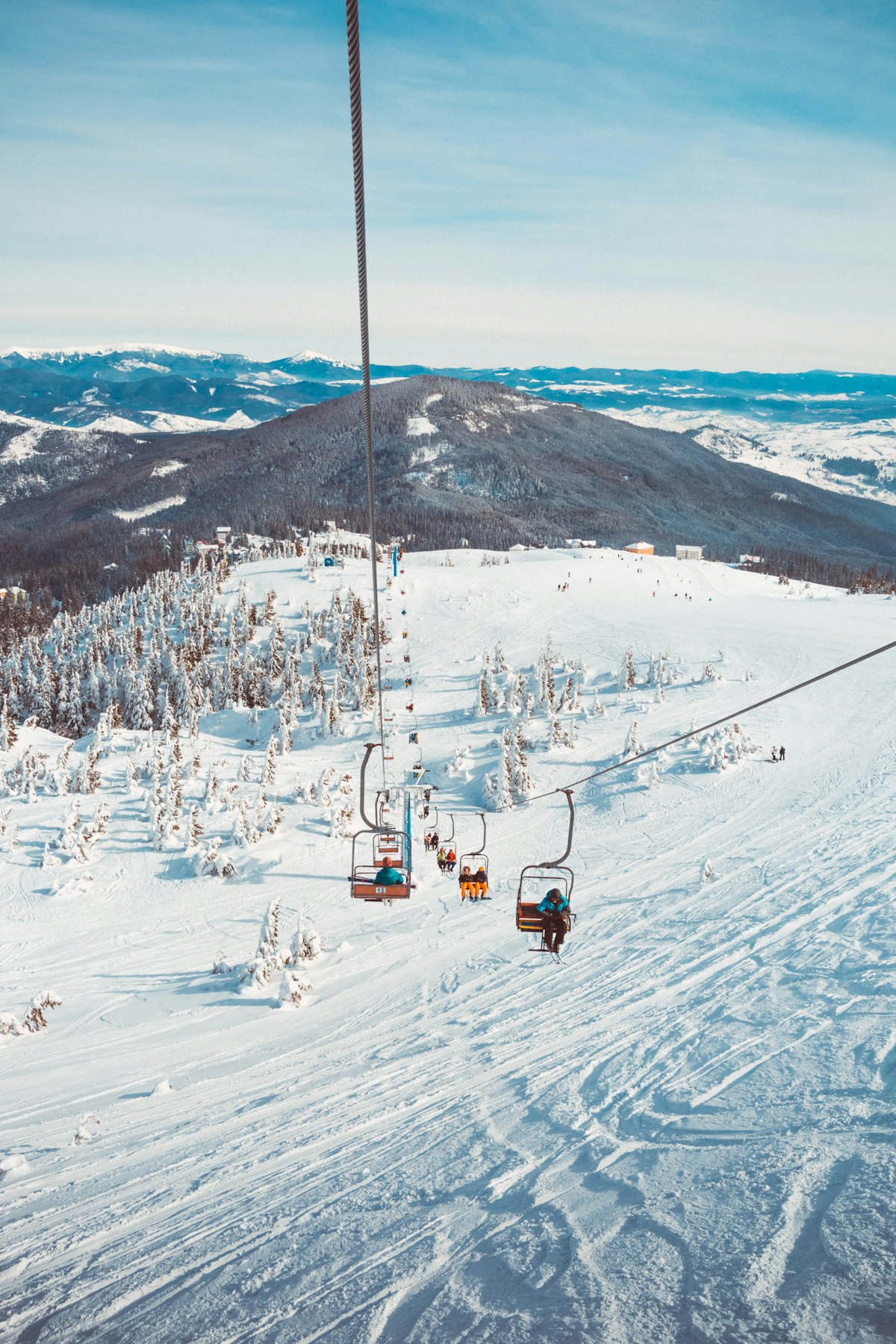
The season at Cerro Catedral runs from late June to mid-October. Eight months if you count the shoulder weeks. Our guides spend that time on the mountain every day that lifts run -- teaching, guiding, and occasionally just skiing early before guests arrive when the mountain is theirs alone. After a full season you know things about a resort that you cannot learn from a week.
These are the notes from this past winter.
The mountain changes every month
June skiing at Catedral is different from August skiing in ways that most international visitors never see. June is lean -- the snowpack is building, some runs are closed, the resort feels quiet in a way that is either perfect or disappointing depending on what you came for. The light is low and long, the crowds are thin, and the skiers on the mountain in the first weeks of the season are almost entirely locals.
By late July the mountain is different. The pistes are groomed and consistent, the off-piste terrain above the Lynch and Punta Nevada stations has filled in, and the resort is running at full capacity. This is the peak of the Argentine school holidays -- busiest on the mountain, loudest in the restaurants, longest lines at the gondola base.
August is the month our guides like most. The school holiday crowd has gone, the snowpack is at its deepest, and the off-piste terrain above 2,000 metres is reliably skiable. The weather patterns in August tend toward longer settled windows between the Patagonian fronts that roll in from the Pacific. If you are choosing a single month, choose August.
September and October are the wild card. The days lengthen, the snow softens in the afternoon, and the terrain shifts to morning skiing before the sun hits the upper slopes. The views in October are genuinely extraordinary -- the surrounding forest below the snowline is turning gold and red, the lake is a shade of blue it only reaches in spring, and the mountain is almost empty.
What Patagonian weather actually means
Every guest arrives having read something about Patagonian wind. The reality is more nuanced than the reputation suggests.
The wind at Catedral is not constant. It arrives in fronts -- bands of weather that come off the Pacific, cross the Andes, and hit the resort with force before moving on. A typical front lasts one to two days. The wind closes the upper lifts and the exposed ridge runs, but the lower and sheltered terrain almost always stays open. A wind day at Catedral is not a lost skiing day; it is a recalibrated skiing day.
After the front passes, the mountain can be exceptional. The storm deposits fresh snow on the upper terrain, the wind sculpts it into unusual shapes above the exposed ridges, and the first morning after a front clears is often the best powder skiing of the trip.
We tell guests: do not fight the weather, learn to read it. The Andes weather patterns follow logic once you have seen a few cycles.
The guests who have the best trips
After enough seasons you start to see patterns in who leaves satisfied and who leaves wishing for something different.
The guests who consistently have the best trips are the ones who come with flexibility and curiosity rather than a rigid expectation of what skiing in Patagonia should look like. They try the local food instead of defaulting to familiar options. They ski a rest day at a different resort when we suggest it. They are willing to start at 8:30 when the gondola opens rather than arriving at the base at 10.
The guests who struggle are usually the ones mapping their expectations directly from European or North American resort experiences. The lifts at Catedral are not Verbier lifts. The queuing culture is Argentine, not Swiss. The on-mountain food is excellent by South American standards and nothing like what you would eat at a French resort. All of this is fine -- it is just different. The guests who embrace the difference have better trips.
What we still find on the mountain
Eight seasons at the same resort and there are still runs that produce something unexpected.
The traverse from the top of the Lynch chairlift toward the eastern ridge, done early when the snow is untracked, is one of the more quietly spectacular pieces of terrain in the Southern Hemisphere. It is not a difficult line -- an experienced intermediate could manage it with guidance -- but the position is extraordinary. You are above 2,100 metres, the granite ridgeline is to your left, the lake is visible below through a gap in the terrain, and on a clear morning the Chilean peaks are visible across the border.
We have skied that traverse more times than we can count. It still produces the same response.
Planning a trip with a guide
Working with a guide at Catedral is not just about safety on difficult terrain. It is about knowing which runs are best at which hour of the day, which lifts to take in which order to avoid the midday crowd, and where the resort opens terrain that does not show on the standard piste map.
If you are planning a trip and want help thinking through how to structure time on the mountain -- whether to hire a guide, which experiences fit your level, and what the week might look like day by day -- tell us what you are planning. We have been skiing this mountain for years. We are happy to share what we know.
For more on what to expect on the mountain, our Cerro Catedral guide covers the resort in detail, and our off-piste skiing guide covers the terrain above the piste boundary.