My First Season Coaching at Cerro Catedral: What Year One on the Mountain Teaches You
A journal from one of our newest coaches' first winter on Catedral -- the lessons, the mistakes, and the small wins that don't fit into any certification course.
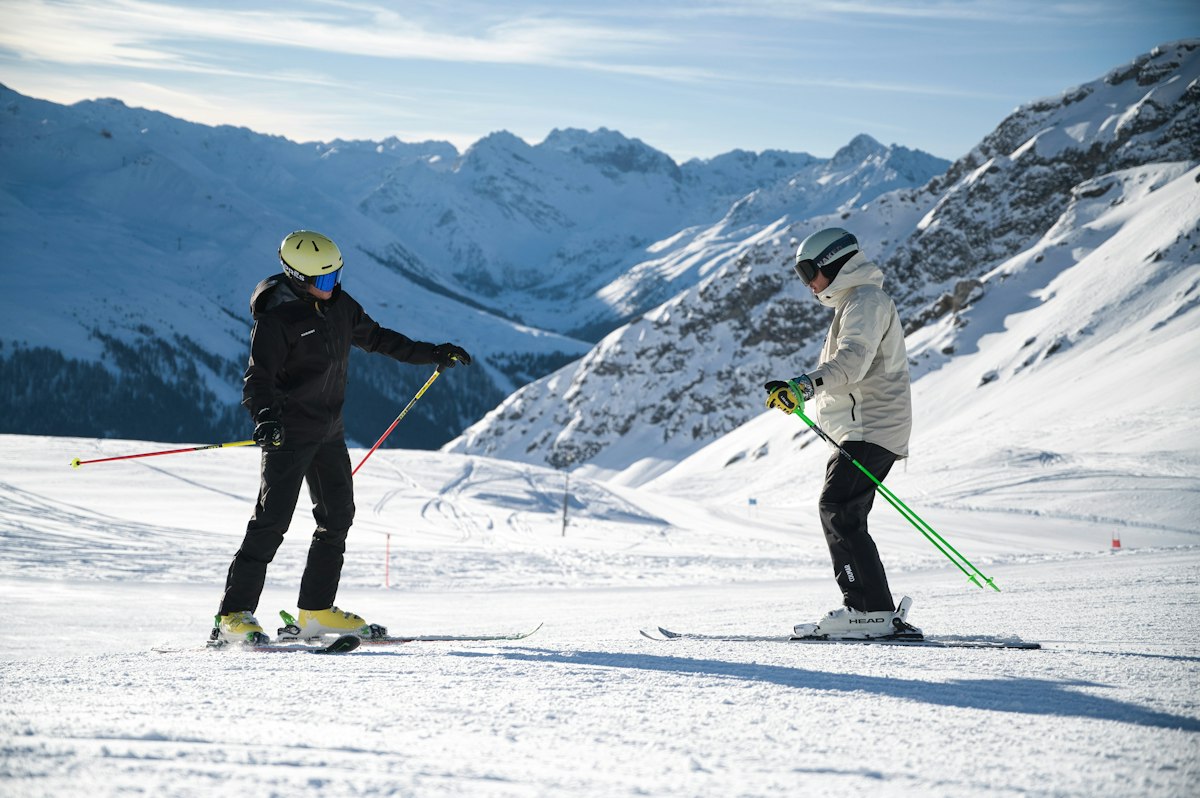
I finished my AAGM Level 1 course in May. By the second week of June I was clipped into a coach's bib at Cerro Catedral, riding the Cable Carril up at 8:15 a.m. with a group of nine-year-olds who had never seen real mountains before. Nothing about the certification prepared me for that first lift ride. What follows is a working notebook from my first season coaching in Patagonia -- the parts that surprised me, the parts I got wrong, and the small things I now believe matter more than any of the technical drills they teach you in a course.
The first morning was nothing like the exam
In the exam you ski clean, calm arcs in front of a single evaluator. On a Tuesday morning in mid-June you ski backwards while a kid named Tomas tells you his boots hurt, another kid loses a glove on the magic carpet, and a French father in the lift line wants to know whether his daughter -- who has skied three days in her life -- can join the intermediate group 'because she is very brave.' The technical skill matters. The triage matters more. By the end of the first week I had stopped worrying about my own demos and started watching the chairlift queue for the kid who looked like they were going to cry before lunch.
The mountain teaches you the schedule, not the other way around
Catedral has a rhythm. The Princesa II chair opens late on cold mornings because the cable contracts overnight. The wind comes up the Lopez face around 11 a.m. on most days in July, which means the upper bowls get scratchy by noon. The cantinas on the lower mountain fill up between 12:30 and 1:00, so if you want a hot table for a group of beginners you eat at 11:45 or 1:15, never in between. None of that is in the resort map. You learn it by being on the hill every day, by talking to the lift operators, and by paying attention. By August I was structuring my whole day around those small windows instead of trying to fight them.
Patagonian weather is a coach, too
My first wind day I was furious. We had three lessons booked, I had a plan for each, and at 9 a.m. the Cable Carril stopped running. I spent thirty minutes feeling sorry for myself and then went looking for the older coaches. They were in the cafeteria, calmly drinking coffee. 'The mountain decides,' one of them told me. 'Today the mountain is saying no. Tomorrow it will say yes.' That sentence reset my whole approach to the season. If you want to read more about what to actually do on those days, our team wrote a survival guide for wind days in Bariloche that we now hand out to new coaches in their first week.
Beginner zones are where you actually become a teacher
Everyone wants to coach the strong skiers. The truth is that you grow faster on the magic carpet than on the Nubes chair. With a strong group you can hide behind your own skiing. With first-timers you cannot. Every cue you give either lands or it doesn't, and the feedback is immediate -- a kid either turns or falls. I learned more about edge engagement explaining a hockey stop to a seven-year-old than I did in any of my course modules. If you are thinking about taking up the sport here yourself, our piece on learning to ski as an adult in Argentina is the same advice I now give first-time students at the bottom of the carpet.
The locker room is the real classroom
The AAGM course gave me technique. The locker room at Catedral gave me everything else. The older guides who had been on the mountain for twenty seasons knew where the wind shadows were, which lift operators would let a tired kid sit on the platform for a minute, which cafeteria staff would warm a bottle of formula for a parent, and which radio frequency the patrol monitored on quiet days. They were generous with all of it, but only after you proved you were going to be on the mountain in August, not just July. Showing up consistently was the price of entry. Once I had paid it, the whole network opened up.
What I got wrong
I over-planned lessons. I wrote out three-page progressions and then watched them collapse the second a kid got cold. I under-fed myself. By 2 p.m. on long days I was making bad calls because I had skipped lunch to keep a group moving. I talked too much. The best demo I gave all season was a single silent run down a green where I just skied the line I wanted them to ski, then stopped and said nothing. Half the group copied it instinctively. The other half asked why we weren't doing drills. The first group learned more.
What I got right (eventually)
I started carrying a small bag of dried fruit and a thermos of coca tea. I started ending every lesson five minutes early so the kids could free-ski one run on their own and feel like skiers, not students. I started asking parents one question at pickup -- 'what was the best moment?' -- instead of debriefing technique. The answers told me what the kids actually remembered, and that turned out to be a better lesson plan than anything I designed on paper.
What I wish I had known in June
That the season is long. That the first weeks are messy and that's normal. That the older coaches are watching to see whether you'll be back on a bad-weather Wednesday, not whether you can carve. That the kids will remember the lift ride and the chocolate at the bottom, not the drill you spent twenty minutes setting up. That on the worst-weather day of the season, when nothing went right, a parent will still find you in the parking lot and thank you, because their kid had a good time.
If you're planning a trip and want to ski with our team -- coaches, guides, and the older heads who taught me most of what I know -- our custom experiences and family programs are built around the same lessons this season taught me. To start planning, tell us what you're looking for and we'll build a week that fits the mountain's rhythm, not the other way around.