Back on Snow: A Returning Skier's Comeback Week at Cerro Catedral After a Knee Injury
A comeback week at Cerro Catedral after a knee injury: how a returning skier paced six days on snow, and what our guides recommend.
Yes, you can ski again after a knee injury, and many of our guests do it successfully, but the first week should be slow, guided and fully planned around the knee. This is a composite story of the returning skiers our guides meet, and it shows what a careful comeback week at Cerro Catedral looks like. The rules were simple: get medical clearance, ski easy terrain first, and stop before the knee tells you to.
Who is this story about?
The skier in this story is a composite of several guests our guides have worked with, not a single named person. Call them Dana. Dana tore an ACL 14 months before the trip, finished rehab and came to Bariloche nervous. Our guides recognise the pattern: the knee often feels fine, while confidence is the real problem.
We are not doctors, and nothing here replaces advice from a surgeon or physiotherapist. Check with yours before you fly.
What did the first day look like?
The first day was a short, easy morning on the Cerro Catedral beginner slopes, then lunch and a rest. Our guide met Dana at the base, checked boots and bindings, and set one rule: no run steeper than green until Dana said it felt solid. After four easy runs, they stopped at 11:30, well before fatigue.
For a map of where those gentle lines are, see our guide to the best beginner runs at Cerro Catedral.
Why does confidence come back slower than strength?
Confidence returns slower than strength because your brain remembers the injury even when the joint has healed. Physiotherapists often describe fear of re-injury as one of the main reasons athletes return late or not at all. On snow, it shows as stiff turns, leaning back and braking early, which actually puts more load on the knee.
- Stiff legs reduce shock absorption
- Leaning back loads the knee in a bad position
- Speed avoidance makes turns jerky
- Fatigue raises fall risk in the afternoon
How should you pace a comeback week?
Pace a comeback week by adding one small challenge per day and keeping every afternoon easy. Here is the plan Dana followed:
- Day 1: green runs only, half day
- Day 2: wide blue runs, morning only
- Day 3: rest day with a spa visit and a walk in town
- Day 4: blue runs with some variety in snow
- Day 5: one short red run if the knee felt strong
- Day 6: easy cruising and photos
For a rest-day model, our recovery day guide covers what to eat and how to recharge.
What gear helps a returning skier?
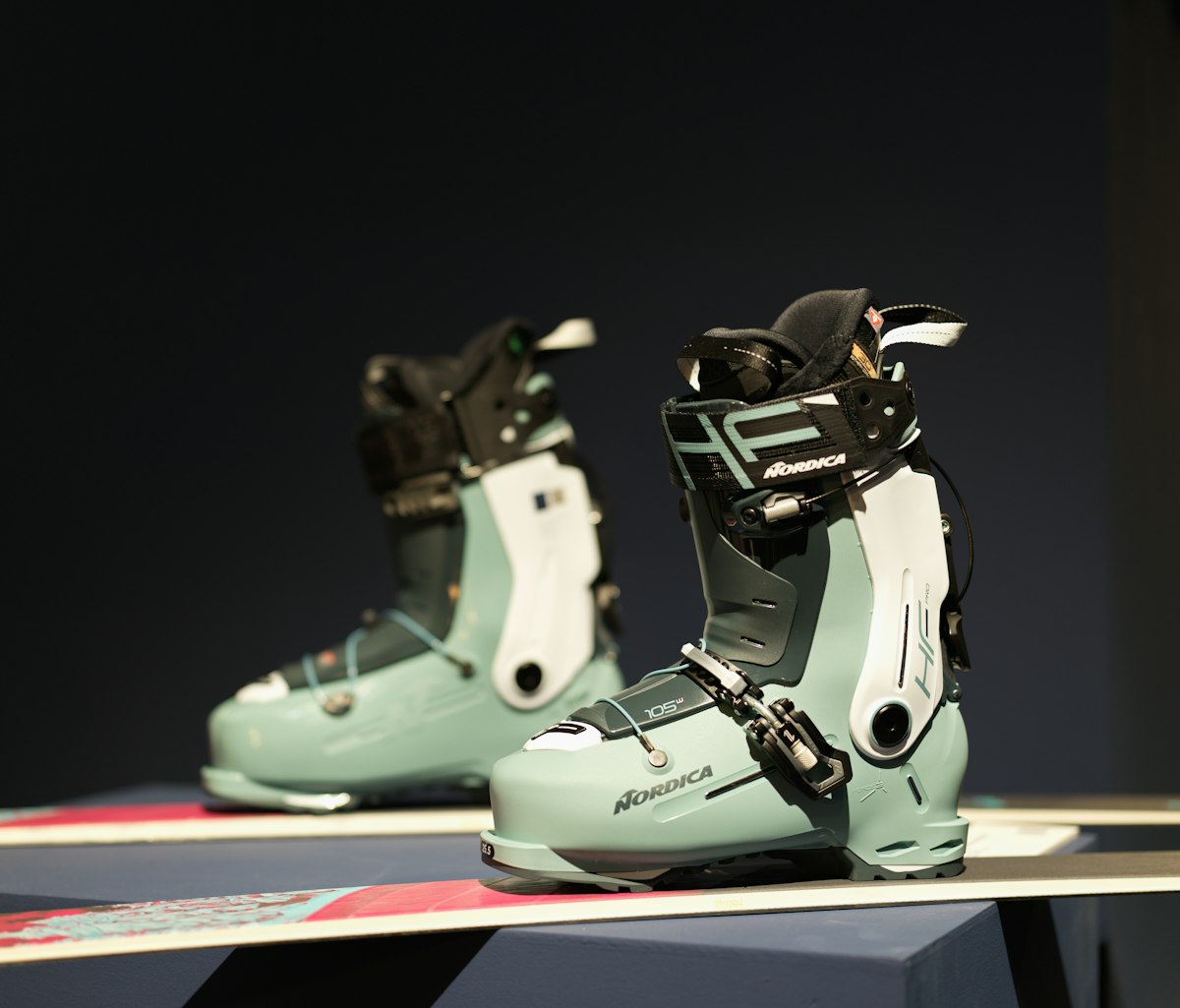
The right gear is well-fitted boots, correctly set bindings and, if your surgeon advises, a sport brace. Rental boots that are too loose cause sloppy turns, so take time with the boot fitter. Our rental guide at should you rent skis in Argentina explains how to choose, and a brace may be worth bringing from home.
Have bindings set to your weight, height and ability by a qualified technician, and be honest about your level.
What did Dana learn by the end of the week?
By day six Dana was skiing blue runs smoothly and had stopped checking the knee on every turn. The lesson was not that the injury no longer mattered, but that careful planning removed most of the fear. Dana skied about 30 percent less vertical than a normal week and enjoyed every day more for it.
Guides at Catedral say the best returning skiers share three habits: they listen to their body, they accept guidance, and they treat rest as part of the plan.
What should you tell your guide before the first day?
Tell your guide exactly which knee, which surgery and when, and what your physiotherapist cleared you to do. Share any movements that feel uncertain, such as twisting, landing or skiing in soft, heavy snow. A good guide will adapt the route, choose gentler slopes and agree on a clear signal to stop. Dana also told the group that mornings were best, since the knee felt strongest then, and that a late lunch would be skipped in favour of an early finish. That honesty made every day safer and more relaxed, and it is the single most useful habit we see in guests who return to skiing after injury. Our guide selection advice explains what to ask.
Frequently Asked Questions
How long after ACL surgery can I ski? Timelines vary, and many surgeons say around nine to twelve months. Your own surgeon decides, so ask before booking.
Should I hire a guide for a comeback week? A guide helps pick easy terrain, watch fatigue and adjust the plan daily. See our private guide comparison.
Is travel insurance necessary after an injury? Yes, and declare any pre-existing condition. Read our ski insurance guide for details.
Can I ski a half day? Yes. Half days are a smart way to build back, and a late start can mean softer snow and smaller crowds.
This story was written by the Ski Patagonia Co. team, drawing on conversations with returning guests and our guides across many seasons at Cerro Catedral. The skier, Dana, is a composite, not one named person.
If you are planning a careful return to the snow, plan your trip with us or see our custom experiences.
Hero photo by Declan Sun on Unsplash