Caviahue Town Guide for Skiers: Where to Stay, Eat and Soak Near Copahue Volcano
A Caviahue town guide for skiers: where to stay, where to eat, how to get there and what to do on rest days near the Copahue thermal baths.
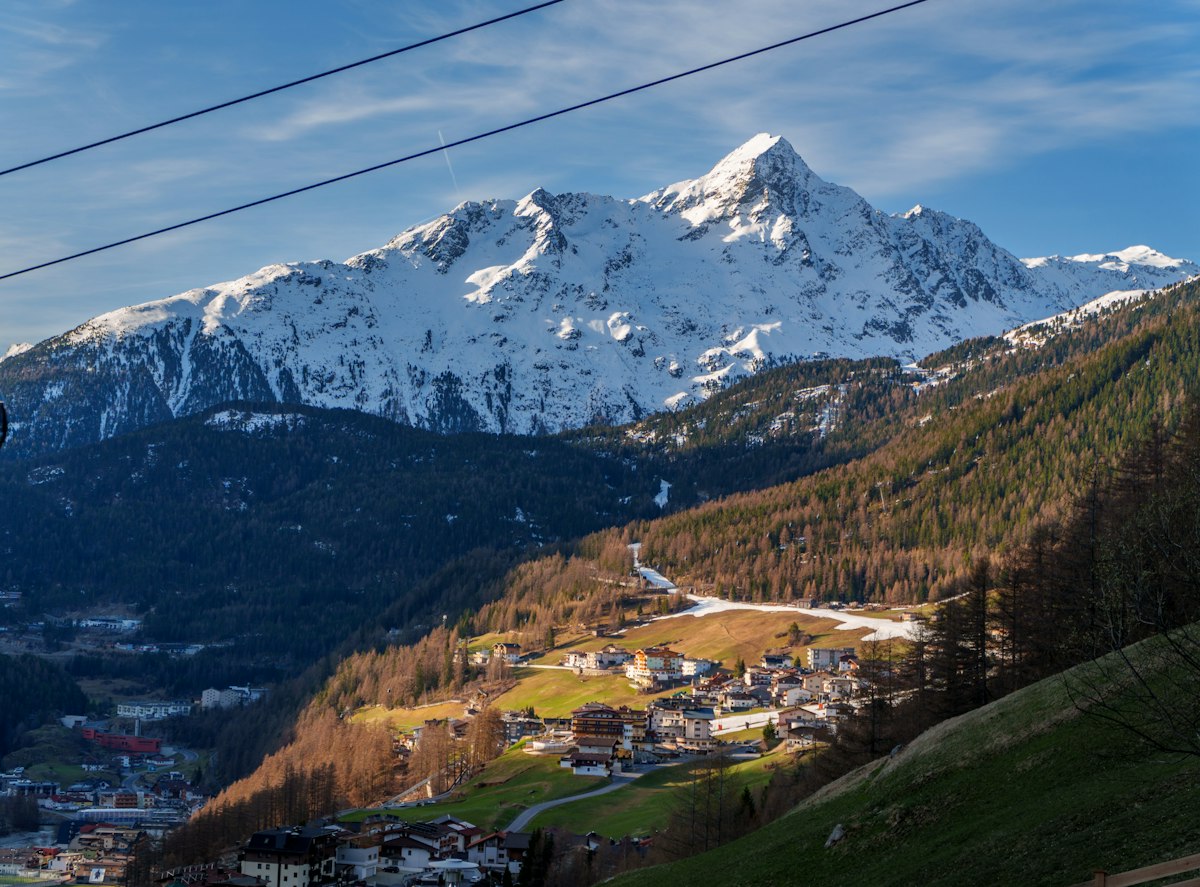
Caviahue is a small lakeside village in Neuquen Province, about 18 km from the Copahue thermal baths, and it is the practical base for skiing the Caviahue ski area on the slopes of Copahue volcano. Most visitors stay in Caviahue itself, where hotels, cabins, a handful of restaurants and basic shops sit within walking distance of the lake. Bring cash, book early for July, and expect a quiet mountain-village evening rather than a nightlife scene.
Where is Caviahue and how do you get there?
Caviahue is in northwest Neuquen Province, roughly 350 km from Neuquen city and its airport (NQN), which is the nearest major air gateway. The drive takes about 5 to 6 hours in good conditions, and winter weather can add time. Most skiers fly Buenos Aires to Neuquen, then rent a car or book a private transfer.
- Neuquen airport (NQN): around 350 km, 5-6 hours by road
- Zapala: around 180 km, the last large town for supplies
- Copahue thermal baths: about 18 km from the village
For a comparison with other trips, this is a longer transfer than the one in our Las Lenas transfer guide, so plan at least one extra night.
Where should you stay in Caviahue?
Stay in the village of Caviahue if you want restaurants and a short transfer to the lifts. The village has a mix of hotels, apartment-style cabins and small lodges, and rooms are limited compared with Bariloche. Expect roughly $60-$180 USD per night depending on season and room type, with prices rising sharply in July school holidays.
- Hotels in the village: the easiest choice, often with breakfast included
- Cabins and apartments: good for families who want a kitchen
- Copahue: an option for thermal-bath visits, but it has fewer services in winter
Our Bariloche accommodation guide explains the same trade-offs in a larger town.
What is there to eat and drink in Caviahue?
Caviahue has a modest but friendly food scene, centred on hearty mountain dishes. Expect grilled lamb, trout from nearby lakes, pasta, pizza, stews and hot chocolate. Most restaurants open for dinner around 8:30 pm, as is normal in Argentina, and a few serve lunch for skiers.
Bring cash for smaller places, and book dinner on weekends in July. For what to order, our guide to Patagonian lamb, trout and game is a useful primer.
What can non-skiers do in Caviahue?
Non-skiers can visit the Copahue thermal baths, walk around Lake Caviahue and join snowshoe outings. The Copahue baths are known for volcanic mineral waters and mud treatments, and many visitors spend a rest-day soak there. Conditions around the volcano change with weather, and access can close, so check locally.
- Thermal baths at Copahue, about 18 km away
- Short snowshoe walks near the village
- Photography around the lake and volcano
- Quiet evenings with a book
Our snowshoeing guide shows what a typical outing looks like.
How do you get around Caviahue?
You can walk in the village, but you need a transfer or car to reach the lifts and baths. Local taxis and hotel shuttles run in season, though schedules are limited, so ask at check-in. A rental car gives you freedom, but winter driving needs chains and confidence. See our rental car guide for the costs and rules that apply across Patagonia.
Is Caviahue good for families and beginners?
Caviahue suits families and beginners who want a calm, uncrowded mountain. Slopes are modest compared with Cerro Catedral, lift queues are short and the village is small enough to feel safe for older children. The trade-off is limited terrain, so strong skiers may tire of it after three or four days. Our family experiences page shows how we plan quieter weeks like this.
When is the best time to visit Caviahue?
July and August are the main season, with the best snow cover, while September can bring soft spring skiing and fewer people. Because the resort is small, it is worth confirming which lifts are open before you travel. Our season breakdown compares the months across the region.
What should you pack for Caviahue specifically?
Pack for cold, wind and long drives rather than for a resort-town evening. Temperatures at the village can fall well below freezing at night, and the road from Neuquen crosses open steppe where gusts are common. Bring warm layers, a hat, sunscreen and goggles, since the high-altitude sun is strong even on cloudy days. Carry snacks and water for the transfer, and fill the fuel tank in Zapala, because stations are sparse. Our packing list covers the full kit, and a physical copy of your booking details helps where phone signal fades.
Frequently Asked Questions
Is Caviahue a good base for skiing? Yes, if you want a quiet village and a small mountain. It is not a large resort town, so choose it for calm rather than variety.
Do I need a car in Caviahue? A car is helpful but not essential, since hotels often arrange transfers to the lifts. It matters more for the airport drive.
Are the Copahue baths open in winter? They usually operate in winter, but access and hours vary with weather, so confirm before going.
Can I combine Caviahue with Bariloche? Yes, but it is a long drive, so many travellers fly via Neuquen or treat it as a separate stop. See our Caviahue resort guide for more.
This guide was written by the Ski Patagonia Co. team, based on many seasons of guiding in Neuquen and years operating across Patagonia.
If you want help linking Caviahue with the rest of your route, plan your trip with us or look at our custom experiences.
Hero photo by Ed Wingate on Unsplash